How to Build a Spring House Eco-Friendly Off-Grid Refrigeration Natural Cooling Guide
Imagine a refrigeration system that never breaks down, requires zero electricity, and costs absolutely nothing to operate after the initial setup. It sounds like a futuristic green technology, but it is actually one of the oldest and most reliable methods of food preservation known to man. The spring house is a classic piece of homesteading architecture that uses the natural, constant temperature of groundwater to create a walk-in cooler. In an age where we are increasingly looking for ways to live sustainably and reduce our reliance on the power grid, reviving the concept of the spring house is more relevant than ever before.
What Exactly is a Spring House?
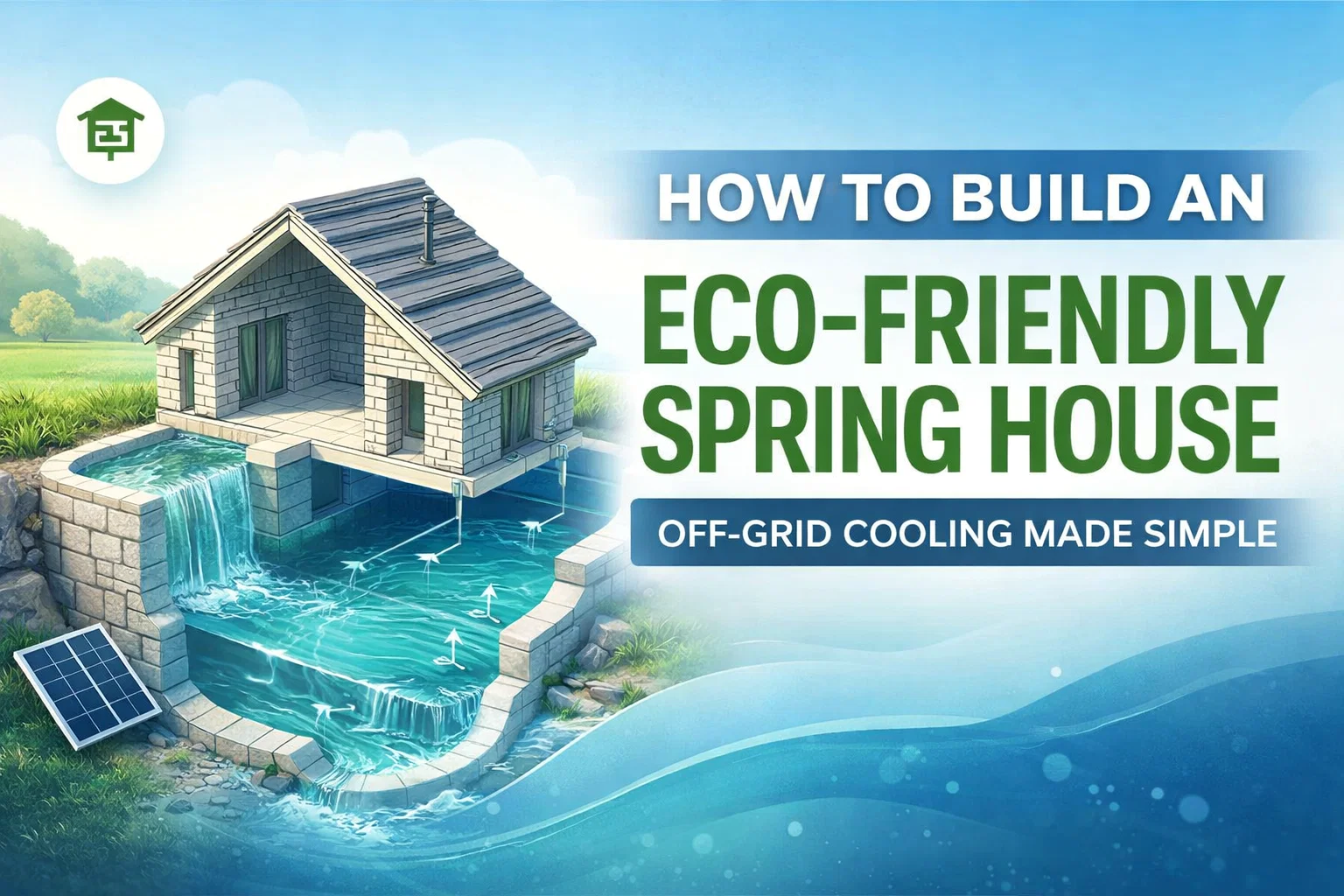
A spring house is a small, functional building constructed directly over a natural spring or a diverted water source. The primary purpose of this structure is to harness the cooling power of the earth. Because groundwater maintains a relatively constant temperature year-round, usually between 50 and 60 degrees Fahrenheit depending on your geography, it provides a perfect environment for keeping perishables fresh. Historically, these were the heart of the farm, used to store milk, butter, eggs, and harvested vegetables long before the invention of the modern refrigerator.
The design is deceptively simple but incredibly effective. By allowing the cool water to flow through a basin or a series of troughs inside the building, the air temperature is lowered through conduction and evaporation. The stone or brick walls of the structure provide thermal mass, which helps to insulate the interior from the heat of the summer sun. It is a beautiful example of passive cooling that works in harmony with the local environment.
The Core Benefits of Natural Off-Grid Cooling
Why would someone choose to build a spring house in the twenty-first century? The reasons go far beyond mere nostalgia. For the modern homesteader or the eco-conscious homeowner, a spring house offers several distinct advantages that modern appliances simply cannot match.
- Zero Energy Costs: Once the structure is built, it costs nothing to run. There are no monthly utility bills and no electrical components that will eventually burn out or need replacement.
- Reliability During Power Outages: In the event of a grid failure or a natural disaster, your food remains safe and cool. This makes it an essential component of a resilient, self-sufficient lifestyle.
- Environmentally Friendly: Because it uses no chemicals, refrigerants, or electricity, the carbon footprint of a spring house is negligible. It is the ultimate “green” appliance.
- Superior Humidity Levels: Unlike modern refrigerators which tend to dry out food, a spring house maintains a high level of humidity. This is ideal for keeping leafy greens crisp and preventing root vegetables from shriveling.
Choosing the Perfect Location for Your Spring House
The success of your spring house depends entirely on its location. You cannot simply build one anywhere and expect it to work. You need a reliable, clean source of flowing water. Ideally, this is a natural spring that flows year-round. If you do not have a spring on your property, you may be able to divert water from a clean creek or stream, provided the water remains cool enough throughout the hottest months of the year.
Testing Water Flow and Temperature
Before you break ground, you must monitor your water source for at least one full season. You need to ensure that the flow does not dry up during a mid-summer drought and that the water temperature stays consistently cool. Use a thermometer to check the water at the source. If the water temperature rises above 65 degrees in the summer, the cooling effect inside the house will be significantly diminished.
Assessing the Topography
Gravity is your best friend when building a spring house. You want to position the structure so that water can flow in naturally and, more importantly, drain out effortlessly. Stagnant water is the enemy of a clean spring house, as it can lead to mold, odors, and insect problems. Ensure the site has enough of a slope to facilitate constant movement of the water through your cooling troughs.
Essential Design Elements of a Functional Spring House
Building a spring house requires a blend of masonry and basic carpentry. The goal is to create a space that is well-insulated, ventilated, and easy to clean. Most traditional spring houses are built with thick stone or brick walls. These materials are excellent at resisting rot in a damp environment and provide the necessary thermal mass to keep the interior cool.
The Cooling Basin and Troughs
Inside the house, the water is typically directed into a shallow basin or a series of concrete troughs. This is where the magic happens. You place your containers of milk or crocks of butter directly into the cool flowing water. For larger items like crates of vegetables, you can use raised stone or wooden platforms that sit just above the water level, benefiting from the ambient cool air.
Ventilation is Key
While you want the house to be well-insulated, you also need proper airflow. Without ventilation, moisture can build up and lead to structural issues or food spoilage. Small, screened windows or vents near the roofline allow warm air to escape while keeping out pests and debris. This creates a natural chimney effect that draws in the cool air from the water surface and pushes out the stale air above.
Step-by-Step Construction Considerations
When you are ready to begin construction, start with a solid foundation. Since the structure will be constantly exposed to water, use high-quality concrete and stone. Avoid using untreated wood anywhere near the water level, as it will rot quickly in the high-humidity environment.
Building the Walls
Thick walls are better. If you are using stone, try to source it locally to blend the structure into the landscape. If you are using brick or concrete blocks, consider adding a layer of insulation to further protect the interior from external heat. The door should be heavy and well-fitted to minimize air exchange when it is closed.
The Roof and Ceiling
The roof should have a significant overhang to shade the walls from the sun. Inside, the ceiling should be finished with a material that can handle moisture. Many people choose to use cedar or other rot-resistant woods. Some even add a layer of earth or sod on top of the roof for additional natural insulation, creating what is known as a “living roof.”
Maintenance and Food Safety in a Spring House
A spring house is a low-maintenance structure, but it is not “no-maintenance.” Because you are dealing with a damp environment, cleanliness is paramount. The cooling troughs should be scrubbed periodically to remove any algae or sediment that might build up from the flowing water.
Monitoring Temperatures
Always keep a thermometer inside your spring house. While it is excellent for many items, it may not stay cold enough for raw meat or certain dairy products during an extreme heatwave. Generally, a spring house is best for produce, fermented foods, eggs, and items that only require “cellar” temperatures. Use common sense and follow food safety guidelines to ensure everything remains healthy for consumption.
Pest Control
The combination of cool water and food can be very attractive to local wildlife. Ensure that your vents are covered with fine mesh and that the door has a tight seal. Traditional spring houses often had a small “cat hole” to allow a farm cat in to manage mice, but modern mesh and solid construction are usually more effective for keeping out everything from insects to raccoons.
Integrating a Spring House into Your Modern Homestead
You do not have to live completely off the grid to enjoy the benefits of a spring house. It can serve as a wonderful secondary storage area for your garden harvest, allowing you to save space in your primary kitchen refrigerator. It is also an incredible conversation piece and a way to connect with the history of the land.
For those interested in permaculture, the water exiting the spring house can be further utilized. After it has cooled your food, the water can flow into a garden irrigation system, a livestock watering trough, or even a small fish pond. This maximizes the utility of every drop of water that moves through your property.
Conclusion: A Sustainable Path Forward
Building a spring house is an investment in the future by looking toward the past. It represents a shift away from high-energy, high-maintenance living and toward a more harmonious relationship with nature. By understanding the simple physics of groundwater and thermal mass, you can create a cooling system that will serve your family for generations without ever needing a repairman or a power outlet.
Whether you are building a small stone hut over a backyard spring or a larger structure to handle a full farm harvest, the principles remain the same. It is about working with the earth rather than against it. As we continue to seek out eco-friendly and off-grid solutions, the humble spring house stands as a testament to the fact that sometimes the best technology is the kind that has been right under our feet all along.