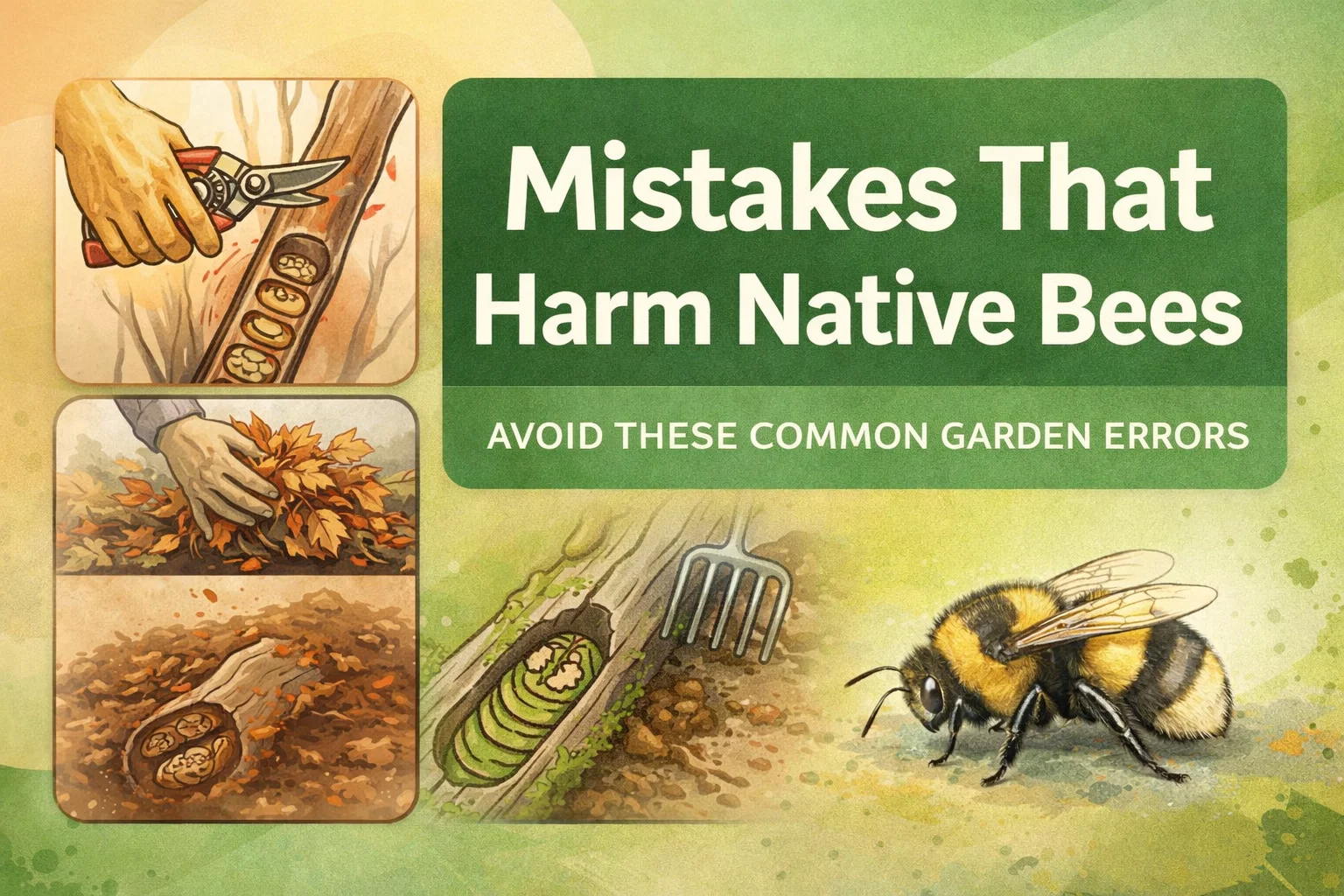
6 Late-Winter Gardening Mistakes That Harm Native Bees Eco-Friendly Spring Cleanup Tips
As the first hints of spring begin to color the horizon, many gardeners feel an uncontrollable urge to grab their rakes and pruning shears. After months of winter dormancy, the sight of dead leaves and hollow stalks can feel like a messy chore waiting to be finished. However, before you head out to tidy up your flower beds, it is vital to remember that your garden is not just a collection of plants. It is a complex, living ecosystem that serves as a sanctuary for some of our most important pollinators. Native bees, unlike the honeybees we often see in managed hives, rely on the very debris we are tempted to clear away to survive the final stretch of winter.
Native bees are the unsung heroes of our food systems and natural landscapes. From the fuzzy bumblebee to the tiny, metallic green sweat bee, these insects are responsible for pollinating a vast majority of our flowering plants. Unfortunately, many well intentioned gardening habits can inadvertently destroy their nesting sites and kill the next generation of pollinators before they even have a chance to emerge. By understanding the lifecycle of these creatures and adjusting our late winter cleanup routines, we can create a backyard habitat that truly thrives. Let us explore the common mistakes that harm native bees and how we can garden with more intention this season.
The Hidden World of Ground Nesting Bees
When we think of bees, we often imagine hives hanging from trees or wooden boxes maintained by beekeepers. However, about 70 percent of our native bee species actually live underground. These ground nesting bees, such as mining bees and squash bees, spend the winter as larvae or pupae in small tunnels beneath the soil surface. They are incredibly vulnerable during the transition from winter to spring because they are waiting for specific temperature cues to wake up and dig their way out.
The Danger of Raking Bare Soil Patches
It is common for gardeners to see patches of bare earth and want to smooth them over or rake them clean to prepare for new plantings. For a ground nesting bee, a patch of bare soil is prime real estate. When we rake these areas too aggressively in the late winter, we risk collapsing the delicate tunnels the bees have spent months inside. If the entrance is blocked or the structure is ruined, the bee may become trapped and die underground. Keeping these patches undisturbed until the ground has thoroughly warmed is one of the simplest ways to protect these hidden residents.
Tilling Beds Before Emergence
Tilling is a traditional gardening practice used to aerate the soil and break up weeds, but it can be catastrophic for native bee populations. If you turn over the soil in your garden beds before the bees have emerged, you are essentially destroying their nurseries. The mechanical action of a tiller or even a deep dig with a garden fork can crush the developing bees. To avoid this, consider adopting no dig gardening methods or wait until the late spring when you see active pollinators hovering over your flowers before doing any major soil disruption.
Stems and Stalks: The High Rise Apartments of the Bee World
The remaining 30 percent of native bees are cavity nesters. Instead of digging into the earth, they look for hollow or pithy stems, wood cavities, or beetle bores to lay their eggs. Plants like sunflowers, elderberry, raspberries, and many ornamental grasses have stems that are perfect for these bees. They spend the winter tucked away inside these stalks, protected from the biting cold by the plant material itself.
Why Cutting Stems Too Early is a Mistake
One of the most frequent mistakes made during a spring cleanup is cutting back old flower stalks too soon. Many gardeners like to clear away the brown, dried remains of last year’s growth as soon as the snow melts. When you do this, you are likely throwing away dozens of hibernating bees in your yard waste bags or compost pile. Even if you leave the cut stems on the ground, the change in orientation and exposure can lead to the death of the larvae inside. The best rule of thumb is to wait until temperatures are consistently above 50 degrees Fahrenheit before you even think about reaching for the pruners.
The Importance of Dead Wood
Dead wood is often seen as an eyesore or a sign of neglect, but in the world of ecology, it is a vital resource. Many solitary bees, like leafcutter bees and mason bees, use old logs or fallen branches as nesting sites. They might use existing holes left by wood boring beetles or excavate their own small chambers. Removing dead wood from your landscape in the late winter removes the very homes these bees need to survive. If you must move a log, try to relocate it to a quiet, sunlit corner of your yard rather than removing it entirely from the property.
The Protective Power of Leaf Litter
Leaves are often referred to as nature’s mulch, and for good reason. A layer of fallen leaves provides a thick, insulating blanket that regulates soil temperature and retains moisture. This insulation is critical for queen bumblebees, who often overwinter just an inch or two below the leaf litter or tucked into the loose organic matter at the base of plants.
Clearing Leaf Litter Too Soon
We often feel pressured by neighborhood standards to have a perfectly manicured lawn and garden as soon as the sun comes out. However, clearing leaf litter in the late winter exposes the ground to sudden frost heaves and temperature swings. More importantly, it removes the physical protection that queen bees and other beneficial insects like ladybugs and lacewings rely on. If you remove the leaves while it is still chilly, you are leaving these queens vulnerable to freezing or predation. Instead of bagging them up, try to leave the leaves until the apple trees in your area have finished blooming.
The Problem with Over Mulching
While mulch is generally good for moisture retention and weed control, there is such a thing as too much of a good thing. Applying a thick, heavy layer of wood chips or bark mulch over bare ground in the early spring can act as a physical barrier that bees cannot penetrate. If a ground nesting bee is trying to emerge from the soil but finds three inches of heavy mulch above her, she may not be able to dig through it. To be bee friendly, keep your mulching light and leave some areas of natural soil completely uncovered.
Simple Steps for a Bee Friendly Garden
Transitioning to a bee friendly gardening style does not mean your yard has to look abandoned. It is about shifting your perspective and timing your chores to align with the rhythms of nature. Here are some quick tips to help you get started:
- Monitor the Thermometer: Make the 50 degree mark your guide. When days are consistently warm, the bees will begin their natural emergence.
- Practice Soft Landing Gardening: Plant native shrubs and perennials under your trees to create a soft area where leaves can accumulate and stay undisturbed.
- Leave the Bottoms: When you eventually do cut back your stems, leave about 8 to 24 inches of the stalk standing. This provides nesting sites for the next generation of bees throughout the summer.
- Identify Your Residents: Take some time to sit in your garden and watch for small holes in the ground or bees entering hollow stems. Knowing they are there makes it much easier to protect them.
Embracing the Beauty of a Living Landscape
When we stop viewing our gardens as static displays and start seeing them as living habitats, our relationship with the land changes. The “mess” of late winter is actually a sign of a healthy, functioning environment. By leaving the leaves, staying the pruners, and keeping the soil intact, you are directly contributing to the survival of native bee populations that are currently in decline worldwide.
The rewards of this patience are immense. Come late spring and summer, your garden will be buzzing with activity. You will see the results of your restraint in the form of vibrant flowers, healthy vegetable harvests, and the joy of watching nature at work. Helping native bees is not just about avoiding mistakes; it is about choosing to be a steward of the tiny lives that make our world a more beautiful and fruitful place.
Conclusion: A Call for Patient Gardening
In our fast paced world, we often want to rush into the next season without fully appreciating the one we are in. Late winter is a time of quiet preparation, and for our native bees, it is the most critical time of their lives. By avoiding the common pitfalls of early cleanup, such as tilling too soon or removing leaf litter prematurely, we provide these essential pollinators with the safety they need to thrive.
This year, challenge yourself to wait just a little longer. Let the stems stand, let the leaves lie, and let the soil rest. Your garden will thank you with a symphony of buzzing wings and a flourish of life that only a truly healthy ecosystem can provide. Gardening for bees is a journey of observation and respect, and every small change you make in your routine has a ripple effect on the health of our planet. Happy, bee friendly gardening!