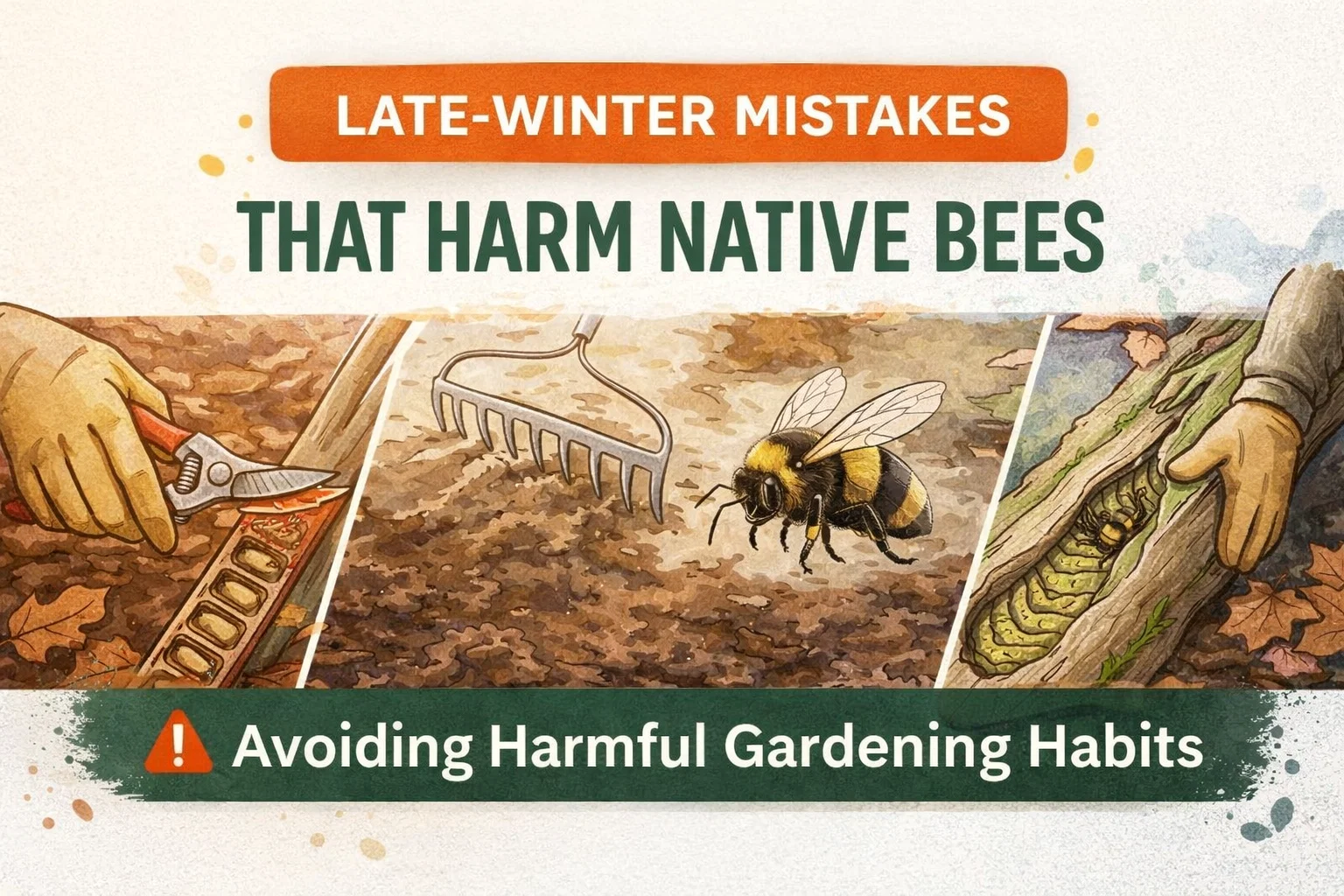
6 Late-Winter Gardening Mistakes That Harm Native Bees Eco-Friendly Spring Cleanup Tips
As the winter frost begins to thaw and the first hints of spring color peek through the soil, gardeners everywhere feel that familiar itch to grab their rakes and pruning shears. It is a season of renewal and fresh starts, yet there is a hidden world beneath our feet and tucked inside our garden debris that is still very much in a deep slumber. Native bees, the unsung heroes of our ecosystems, rely on the messy parts of our landscapes to survive the harshest months. When we rush into a spring cleanup, we might unknowingly be destroying the very homes these pollinators need to thrive. Understanding the delicate timing of late winter and early spring is the key to transforming your backyard into a true sanctuary for local wildlife.
The Hidden Life of Overwintering Native Bees
Most people are familiar with the social structure of honeybees, but native bees operate quite differently. The vast majority of our native species are solitary, meaning they do not live in hives. Instead, they spend the winter as larvae or pupae tucked away in hollow plant stems, underground burrows, or even under a thick layer of fallen leaves. They are waiting for consistent warmth to signal that it is safe to emerge and begin their vital work of pollination.
When we look at a garden in late winter, we see dead wood and brown leaves, but a native bee sees a protective fortress. These insects have evolved over millennia to use the natural debris of the landscape as insulation against freezing temperatures and protection from predators. If we remove these materials too early, we are essentially taking the roof off their houses before the storm has fully passed. Protecting these creatures is not just about being kind to insects; it is about ensuring the health of our food systems and the biodiversity of our local environment.
Why Timing is Everything for Spring Cleanup
The biggest challenge for any eco-conscious gardener is knowing exactly when to start tidying up. It is tempting to clear away the brown stalks of last year’s perennials as soon as the sun comes out, but many species of bees, such as small carpenter bees and masked bees, lay their eggs inside those very stems. If you cut them back and toss them into a compost pile or yard waste bin in February or March, those bees will never get the chance to hatch.
The general rule of thumb followed by many conservationists is to wait until temperatures are consistently above 50 degrees Fahrenheit for at least seven consecutive days. This temperature threshold is usually when most ground-nesting and stem-nesting bees begin to wake up and move around. By holding off on your chores for just a few weeks, you are giving these pollinators a fighting chance to complete their life cycle. Patience is the greatest gift you can give to your local bee population.
The Danger of Cutting Stems Too Early
Hollow and pithy stems from plants like elderberry, raspberry, and Joe Pye weed are prime real estate for nesting bees. Some bees will burrow into the center of a cut stem and create a series of chambers for their offspring. When we prune these plants in late winter, we often cut right through these active nests. Instead of a clean cut at the ground level, consider leaving about 8 to 24 inches of standing stem. This provides a nesting site for the next generation while still allowing new growth to hide the old stalks as the season progresses.
Raking Bare Soil and Disturbing Burrows
Roughly 70 percent of our native bee species nest in the ground. They create intricate tunnels in patches of bare or sparsely vegetated soil. These ground-nesting bees, such as mining bees and cellophane bees, are often the very first pollinators to emerge in the spring. Raking these areas aggressively can collapse their tunnels and trap them underground. If you have areas of bare soil in your garden, try to leave them undisturbed during the late winter months. These “messy” patches are actually high-value habitat for some of our hardest-working insects.
The Importance of Leaf Litter as a Living Mulch
We have been conditioned to believe that a beautiful garden is a perfectly raked one, but nature begs to differ. Leaf litter is one of the most important resources in a healthy ecosystem. It provides a thick layer of insulation that keeps the soil temperature stable, which is crucial for bees hibernating just below the surface. Furthermore, many queen bumblebees spend the winter tucked just an inch or two under the soil surface, covered by a blanket of leaves.
Clearing leaf litter too soon exposes these queens to sudden cold snaps that can be fatal. If you absolutely must move leaves to protect your lawn or prevent mold, try to move them to the back of a garden bed or under a shrub rather than bagging them up and sending them away. This keeps the biomass and the hibernating insects on your property, allowing them to emerge naturally when the weather finally breaks.
Rethinking Mulch and Soil Health
Mulching is a standard gardening practice to suppress weeds and retain moisture, but over-mulching can create a physical barrier that bees cannot penetrate. If a ground-nesting bee is trying to emerge from the soil and finds a three-inch layer of heavy wood chips above it, it may run out of energy and die before reaching the surface. Similarly, bees looking for a place to start new nests in the spring will be deterred by thick mulch.
Strategies for Bee-Friendly Mulching
- Leave some bare spots: Designate a few areas of your garden, especially sunny spots with well-draining soil, to remain mulch-free.
- Use light materials: Instead of heavy wood nuggets, consider using shredded leaves or pine needles, which are easier for insects to navigate.
- Wait for emergence: Apply your fresh layer of mulch later in the spring, after the primary emergence period for native bees has passed.
Dead Wood and Its Role in the Garden
A fallen log or an old stump might look like an eyesore to some, but to a mason bee or a leafcutter bee, it is a luxury apartment complex. Many bees utilize the holes left behind by wood-boring beetles in dead timber. Removing dead wood from your landscape in the late winter removes these vital nesting sites. If you have dead trees that aren’t a safety hazard, consider leaving them as “snags.” If you must remove a log, try to move it to a quiet corner of the yard where it can continue to provide habitat as it slowly decomposes.
Tilling and the Soil Ecosystem
Tilling garden beds is a common way to prepare for spring planting, but it is incredibly destructive to the soil structure and any inhabitants within it. For ground-nesting bees, tilling is the equivalent of a massive earthquake. It destroys the tunnels they have spent months in and can physically harm the larvae. Adopting a “no-dig” or “low-till” gardening approach not only benefits the bees but also helps maintain a healthy fungal network and improves the soil’s ability to sequester carbon.
Alternatives to Traditional Tilling
Instead of turning over the entire bed, consider “sheet mulching” or simply adding a layer of compost on top of the soil. This provides nutrients to your plants without disturbing the life below. If you are planting individual seedlings, dig only the small hole you need for the root ball. By minimizing soil disturbance, you protect the intricate web of life that supports your garden’s health from the bottom up.
Creating a Permanent Bee Sanctuary
Protecting bees in the late winter is just the first step. To truly support native pollinators, we should aim to provide habitat and food throughout the entire year. This means choosing a variety of native plants that bloom from early spring through late autumn. Early bloomers like willow, maple, and spring ephemerals are especially important for bees that have just finished hibernating and are desperately in search of their first meal.
Avoid the use of pesticides and herbicides, as these can be toxic to bees and destroy the “weeds” like dandelions and clover that provide essential early-season forage. By embracing a slightly more relaxed aesthetic in your yard, you can save time on maintenance while significantly increasing the ecological value of your land. A garden that is buzzing with life is far more rewarding than one that is sterile and perfectly manicured.
Conclusion: The Reward of a Patient Gardener
Gardening is often seen as an act of control over nature, but the most successful gardeners are those who learn to work in harmony with the natural cycles of the seasons. By avoiding these common late-winter mistakes, you are doing more than just saving a few bees; you are participating in a global movement to restore biodiversity and protect the planet. The next time you feel the urge to tidy up your garden on a sunny March afternoon, remember the quiet life waiting beneath the leaves and inside the stems. Take a moment to enjoy the stillness, knowing that by doing nothing, you are actually doing something incredible. When the first bumblebee of spring finally emerges and lands on a flower in your yard, you will know that your patience made that moment possible. Let’s embrace the beauty of a messy garden and give our native bees the protection they deserve.