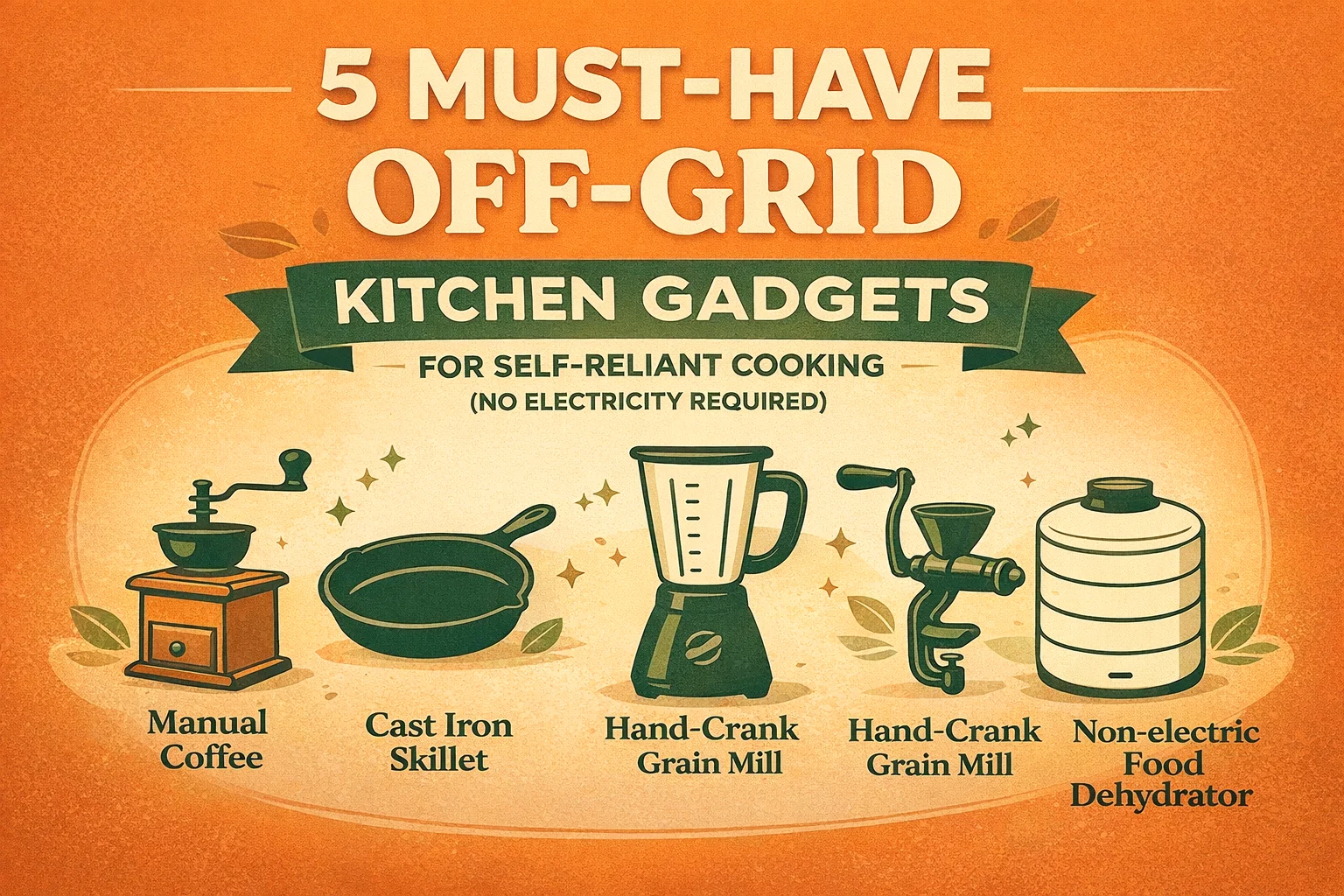
5 Best Off-Grid Kitchen Gadgets for Self-Reliant Cooking No Electricity Required Tools
Stepping away from the convenience of modern appliances might seem like a daunting leap back in time, but there is an undeniable sense of empowerment that comes with mastering self-reliant cooking. Whether you are preparing for a life off the grid, looking to reduce your monthly utility bills, or simply want to ensure your kitchen remains functional during a power outage, having the right tools is essential. Transitioning to a non-electric kitchen does not mean sacrificing the quality of your meals. In fact, many find that manual methods bring a deeper connection to the food preparation process, resulting in better flavors and a more intentional way of living.
The Foundations of a Self-Reliant Kitchen
A truly resilient kitchen is built on tools that do not rely on a fragile power grid. Modern kitchen gadgets are often designed with planned obsolescence in mind, filled with electronic components that are difficult to repair. In contrast, manual kitchen tools are frequently made of heavy duty materials like cast iron, stainless steel, and reinforced wood. These items are designed to last for generations. When you invest in off-grid gear, you are not just buying a tool for today, you are securing a resource for the future.
The beauty of these gadgets lies in their simplicity. Without the hum of a motor or the glow of a digital display, you are forced to engage your senses. You feel the resistance of the grain as it turns into flour and smell the fresh aroma of coffee beans being crushed by hand. This tactile experience is the heart of the slow living movement and a cornerstone of the modern homesteading lifestyle.
1. The Indestructible Cast Iron Skillet
If you could only own one piece of cookware for the rest of your life, the cast iron skillet should be it. This is the ultimate tool for self-reliant cooking because of its incredible heat retention and versatility. Unlike thin non-stick pans that warp and peel over time, a well-seasoned cast iron skillet actually improves with age. It can be used over an open campfire, on a wood-burning stove, or even buried in hot coals.
Versatility Across Cooking Methods
The cast iron skillet is a workhorse that handles everything from searing steaks to baking sourdough bread. Because it can move seamlessly from a stovetop to an oven or fire, it reduces the need for multiple specialized pans. For the off-grid chef, this means less clutter and more efficiency. You can fry eggs in the morning, bake a giant biscuit for lunch, and roast a chicken for dinner, all using the same reliable vessel.
Nutritional and Practical Benefits
Cooking with cast iron can even add a small amount of iron to your diet, which is a subtle but helpful health benefit. From a practical standpoint, the natural non-stick surface created by “seasoning” or layers of polymerized oil means you do not have to worry about chemical coatings flaking into your food. Maintenance is simple: a quick rinse, a thorough drying, and a light coat of oil keep it ready for the next decade of use.
2. Mastering the Hand-Crank Grain Mill
Bread is often called the staff of life, but relying on store-bought flour can be a weakness in a self-reliant setup. Flour begins to lose its nutritional value almost immediately after being ground. A hand-crank grain mill allows you to store whole grains, which have a shelf life of decades, and turn them into fresh, nutrient-dense flour exactly when you need it. This tool is the bridge between a pantry full of wheat berries and a kitchen filled with the scent of fresh bread.
Total Control Over Texture
Manual grain mills typically offer adjustable settings, giving you the power to choose between a coarse grind for cracked wheat cereal or a fine powder for delicate pastries. While it takes some physical effort to turn the crank, the reward is flour that contains all the original oils, vitamins, and minerals that are often stripped away in commercial processing. It turns a chore into a rewarding ritual that honors the ingredients.
Building a Robust Food Storage System
When you have a reliable mill, your food storage options expand significantly. You can grind corn for cornmeal, rye for pumpernickel, or even dried beans for bean flour. This flexibility ensures that even if the supply chain is interrupted, you have the means to provide diverse and filling meals for your family using basic staples.
3. The Manual Coffee Grinder: A Morning Essential
For many, the morning does not truly begin until the first sip of coffee. In an off-grid scenario, losing the ability to brew a fresh cup can be a major blow to morale. While pre-ground coffee is an option, it goes stale quickly. A manual coffee grinder ensures that you can enjoy a high-quality brew regardless of the status of the electric company. These grinders use ceramic or stainless steel burrs to crush beans to a precise consistency, which is far superior to the uneven chop of a cheap electric blade grinder.
Portability and Quiet Operation
One of the best things about a manual grinder is its portability. Whether you are in a cabin in the woods or a tent in the mountains, these compact tools fit easily into a pack. Furthermore, they operate quietly. Instead of the jarring screech of an electric motor, you get the rhythmic, satisfying sound of beans being ground, allowing you to enjoy the peace of a quiet morning.
Better Flavor Profiles
Because manual grinding produces less heat than high-speed electric motors, the delicate oils in the coffee beans are preserved. This results in a cleaner, more vibrant flavor profile. You can adjust the burrs for a coarse French press grind or a fine espresso setting, making it a versatile tool for any coffee lover who values quality over convenience.
4. Efficiency with the Hand-Crank Blender
Most people assume that smoothies, sauces, and batters are off-limits without electricity, but the hand-crank blender proves otherwise. These ingenious devices use a gear system to spin blades at high speeds with just a few turns of a handle. They are perfect for whipping up a quick vinaigrette, mixing pancake batter, or even making small batches of salsa using garden-fresh tomatoes and peppers.
A Sustainable Alternative to Small Appliances
The hand-crank blender replaces the need for several small electric appliances that clutter up counter space. It is lightweight, easy to clean, and requires zero power. For parents, it is an excellent way to get children involved in the kitchen, as the mechanical action is fun and safe to operate. It brings an element of play back into the preparation of healthy meals.
Durability and Repairability
Because these blenders rely on simple mechanical gears rather than complex circuit boards, they are much easier to maintain. If a part becomes stiff, a little food-grade lubricant usually does the trick. In a world where most electronics are designed to be thrown away when they break, the hand-crank blender stands out as a triumph of practical engineering.
5. Non-Electric Food Dehydrators for Long Term Storage
Preserving the harvest is a vital skill for anyone interested in self-sufficiency. While electric dehydrators are popular, they consume a significant amount of energy over long periods. A non-electric food dehydrator, often utilizing solar energy or natural airflow, allows you to preserve fruits, vegetables, and herbs for free. By removing moisture from food, you prevent spoilage and create lightweight, nutrient-dense snacks that are perfect for the pantry.
Harnessing the Power of the Sun
Solar dehydrators use a simple box design with a clear top to trap heat and vents to encourage airflow. This method is incredibly effective for drying everything from apple slices to medicinal herbs. It is a passive system: you set it up in a sunny spot and let nature do the work. This is the ultimate “set it and forget it” tool for the eco-conscious kitchen.
Expanding Your Culinary Library
Dehydrating food opens up a world of culinary possibilities. You can make your own sun-dried tomatoes, create fruit leathers for the kids, or dry out mushrooms for savory winter stews. Because dehydrated food takes up very little space and requires no refrigeration, it is the ideal storage solution for off-grid living where freezer space may be limited or non-existent.
Embracing the Slow Food Movement
Using manual kitchen tools naturally slows down the cooking process. In our fast paced world, we often view cooking as a task to be finished as quickly as possible. When you take the time to grind your own flour or hand-crank a blender, you are forced to slow down and appreciate the effort that goes into a meal. This shift in perspective can lead to a greater appreciation for the food itself and the work required to produce it. It turns a chore into a craft.
The “slow food” approach also tends to be healthier. When you are making things from scratch using basic tools, you are less likely to rely on highly processed ingredients filled with preservatives. You control exactly what goes into your body, from the coarseness of the grain to the amount of salt in the skillet. This is holistic wellness in its most practical form.
Preparing for the Unexpected
Beyond the daily joys of homesteading, these tools provide a critical safety net. Natural disasters, grid failures, or economic shifts can make modern conveniences temporarily unavailable. Having a kitchen stocked with manual alternatives ensures that your family stays fed and comforted during stressful times. A warm meal and a fresh cup of coffee can do wonders for morale when the lights go out.
Learning to use these tools now, rather than waiting for an emergency, allows you to build the muscle memory and skills needed to operate them efficiently. It gives you confidence in your ability to handle whatever challenges come your way. Self-reliance is not just about the gear you own; it is about the knowledge and experience you carry with you.
Making the Transition
You do not have to replace your entire kitchen overnight. Start by identifying one or two areas where you would like to be more independent. Perhaps you start with a cast iron skillet and learn how to maintain its seasoning. Or maybe you invest in a manual coffee grinder to improve your morning routine. Slowly building your collection allows you to find high-quality pieces that fit your specific needs.
Look for vintage items at estate sales or antique shops. Often, the kitchen tools made fifty or sixty years ago are of much higher quality than the “retro” styled versions sold in big box stores today. A vintage grain mill or a heavy old skillet often just needs a little bit of cleaning to be returned to its former glory, ready to serve another generation.
Conclusion
Transitioning to a kitchen equipped with off-grid gadgets is a journey toward independence, sustainability, and a deeper connection to the food we eat. By choosing tools like the cast iron skillet, the hand-crank grain mill, and the solar dehydrator, you are opting out of a cycle of waste and into a lifestyle of resilience. These gadgets do more than just process food; they provide peace of mind and a sense of accomplishment that no electric appliance can match. Whether you are living in a remote cabin or a suburban home, incorporating these manual tools into your routine will sharpen your skills and enrich your culinary life. Start small, choose quality, and enjoy the rewarding path of self-reliant cooking.