Underground Greenhouse Walipini How to Grow Food Year-Round in Any Climate
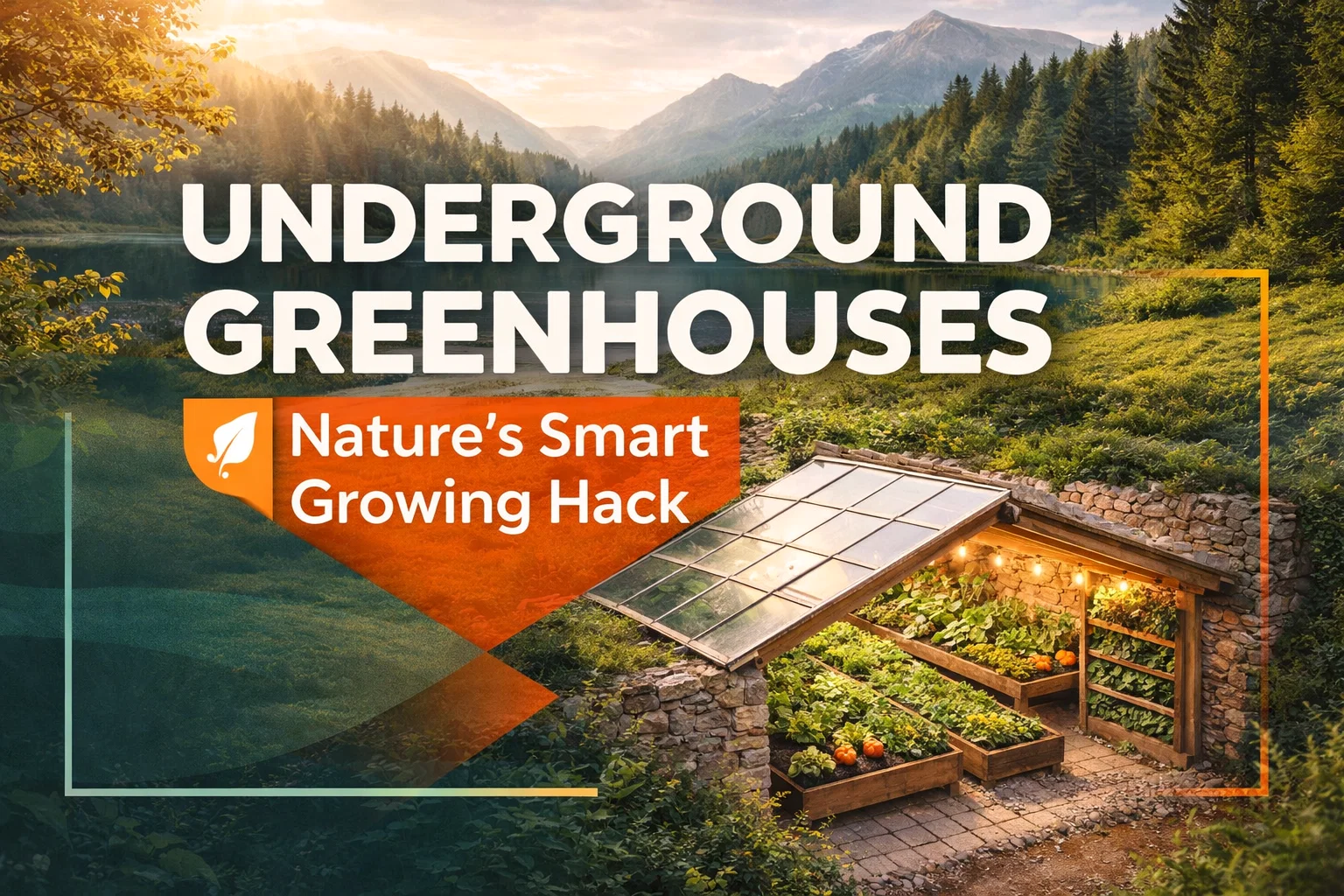
Imagine walking into your garden on a crisp, snowy morning and stepping down into a lush, vibrant sanctuary where tomatoes are ripening and leafy greens are flourishing. This is not a dream of the distant future but a time tested architectural marvel known as the underground greenhouse. Often referred to as a Walipini, which translates to a place of warmth, these structures utilize the natural insulation of the earth to create a consistent growing environment regardless of the external weather. By sinking your garden into the ground, you tap into the thermal mass of the planet, allowing for year round cultivation without the massive energy bills associated with traditional glass houses. It is the ultimate hack for any gardener looking to extend their season and achieve true food sovereignty.
The Science of Thermal Mass and Natural Insulation
The core principle behind an underground greenhouse is surprisingly simple yet incredibly effective. While the air temperature can fluctuate wildly between day and night or summer and winter, the temperature of the earth remains remarkably stable just a few feet below the surface. By excavating a pit and lining it with high thermal mass materials like stone, brick, or rammed earth, you create a battery that stores heat. During the day, the sun shines through the angled glass roof, warming the interior. This heat is absorbed by the dense walls and the floor. When the sun goes down and the outside air cools, the walls slowly release that stored energy back into the greenhouse, keeping your plants safe from frost.
This passive solar heating method means that even in climates where the ground freezes solid, the interior of a well designed Walipini can remain well above freezing. It is a harmonious dance with nature that relies on physics rather than fossil fuels. For those living in high altitude regions or areas with extreme seasonal shifts, this subterranean approach is often the only way to grow sensitive crops like peppers or citrus fruits without a massive carbon footprint.
Choosing the Right Location for Your Subterranean Garden
Before you start digging, you must consider the geography of your land. The most important factor for a successful underground greenhouse is drainage. Since the structure is essentially a large hole in the ground, you need to ensure that it will not turn into a swimming pool during the first heavy rain. Ideally, you should build on a slight slope or in an area with well draining soil. If your water table is high, you might need to build a semi recessed structure rather than a fully underground one, banking the earth up around the sides to achieve the same insulation benefits.
Orientation is another critical element. In the northern hemisphere, your glass roof should face south to capture the maximum amount of sunlight during the short days of winter. The angle of the roof should be calculated based on your specific latitude to ensure the sun rays hit the glass as directly as possible during the coldest months. This precision is what separates a mediocre greenhouse from a highly productive year round food forest.
Materials That Build a Lifetime Sanctuary
Building an underground greenhouse is an investment in your property and your health. Choosing the right materials is essential for both longevity and performance. Many modern gardeners prefer a combination of rustic aesthetics and modern efficiency. Using natural stone for the retaining walls not only looks beautiful but provides incredible thermal mass. If stone is not readily available, earthbags or recycled tires filled with dirt can be used to create thick, sturdy walls that are nearly impervious to the elements. These materials are often much cheaper than traditional lumber and offer better insulation properties.
The roof is the most vulnerable part of the structure, as it must withstand snow loads and wind while remaining crystal clear for light penetration. Polycarbonate panels are a popular choice because they are lightweight, impact resistant, and provide better insulation than single pane glass. However, for a truly aesthetic and permanent feel, tempered glass set in a sturdy timber frame can transform a simple pit into a stunning architectural feature that adds significant value to your home. Adding a layer of cob or plaster to the interior walls can also help reflect light into the corners of the greenhouse, ensuring even the plants in the back get their fair share of Vitamin D.
Interior Layout and Maximizing Vertical Space
Space is often at a premium in an underground structure, so smart layout planning is vital. Utilizing raised garden beds made of cedar or stone helps with soil drainage and makes it easier on your back during planting and harvesting. You can also incorporate tiered shelving along the back wall, which is usually the warmest part of the greenhouse. This allows you to grow smaller herbs and seedlings up high while larger, bushier plants like kale and tomatoes occupy the floor space. Integrating a small stone path not only keeps your feet dry but also contributes to the overall thermal mass of the interior.
The Environmental and Financial Benefits of Growing Deep
Switching to an underground growing system offers a multitude of benefits that go far beyond just saving a few dollars at the grocery store. From an environmental perspective, you are drastically reducing the food miles associated with your diet. When you can harvest fresh spinach in January, you no longer rely on produce that has been shipped thousands of miles in refrigerated trucks. Additionally, because the environment is so controlled, you will find that pests are much easier to manage. The earth walls act as a natural barrier to many common garden invaders, allowing for a truly organic growing process without the need for harsh chemicals.
Financially, the initial cost of excavation is quickly offset by the lack of heating and cooling requirements. Traditional greenhouses are notorious for being energy hogs, requiring expensive fans in the summer and heaters in the winter. A Walipini regulates itself. The cool earth keeps the interior temperate during the height of summer, while the solar gain keeps it warm in the winter. It is a self sustaining loop that provides a high return on investment for decades to come.
Water Management and Humidity Control
One unique challenge of underground gardening is managing humidity. Because the space is partially sealed to retain heat, moisture from the plants can build up quickly. Implementing a simple natural ventilation system is key. By placing small vents at the lowest and highest points of the structure, you can use the chimney effect to pull fresh air through the space without losing all your heat. Some gardeners even incorporate small water features or ponds inside. These act as additional thermal mass and can be used for aquaponics, where fish waste provides natural fertilizer for the plants above.
Creating a Cozy Sanctuary for Mental Well Being
Beyond the practicalities of food production, an underground greenhouse serves as a powerful sanctuary for the soul. There is a profound sense of peace that comes from being surrounded by greenery while the rest of the world is dormant and gray. Many people find that spending just thirty minutes a day in their Walipini helps combat seasonal affective disorder and reduces stress. The combination of natural light, the smell of damp earth, and the quiet stillness of the subterranean environment creates a meditative space that is hard to find anywhere else.
You can even add a small seating area or a bench among your plants. It becomes a place to read, think, or simply enjoy a cup of tea while watching the rain or snow fall on the glass roof above. It is a reminder that we are part of the natural world and that with a little bit of ingenuity, we can thrive alongside it even in the harshest conditions.
Common Mistakes to Avoid for Beginners
- Ignoring Drainage: Never skip the gravel base or drainage pipes. Water pressure from the surrounding soil can cause walls to buckle if not properly managed.
- Poor Airflow: Stagnant air leads to mold and fungus. Ensure you have a way to move air through the space, even in winter.
- Insufficient Sunlight: Double check your angles. If the roof is too flat, you will lose the winter sun when you need it most.
- Using Untreated Wood: The high humidity underground will rot standard lumber quickly. Stick to stone, masonry, or rot resistant woods like cedar.
The Future of Sustainable Urban and Rural Farming
As we move toward a future where food security and climate resilience are top priorities, the underground greenhouse is poised for a major comeback. Whether you have a vast backyard in the countryside or a small plot in a suburban neighborhood, these structures offer a path toward independence. They represent a shift in thinking from fighting against the climate to working with it. By looking down instead of just up, we find a stable, nourishing environment that has been right beneath our feet all along.
Technology is also making these builds easier. From advanced soil sensors to automated vent systems, you can now manage your underground garden with more precision than ever. However, the heart of the Walipini remains the same as it was centuries ago. It is a testament to human resilience and our desire to stay connected to the cycles of growth and harvest. It is a beautiful, functional piece of living art that provides for both the body and the mind.
A Journey Toward Self Sufficiency
Taking the first step toward building your own underground greenhouse can feel daunting, but the rewards are life changing. Start small if you have to. A simple cold frame that is partially recessed can give you a taste of the benefits. Once you see the difference in plant health and growth rates, you will likely find yourself planning a full scale excavation. The journey of growing your own food is one of the most empowering things you can do, and doing it in a way that respects and utilizes the earth’s natural energy is the smartest growing hack of all.
Every seed planted in an underground greenhouse is a vote for a more sustainable and intentional way of living. It is about more than just food. It is about creating a legacy of stewardship and learning how to provide for ourselves in a way that is gentle on the planet. As you watch your garden flourish in the middle of a blizzard, you will realize that you have unlocked a secret that has been hidden in plain sight for generations.
Wrapping Up Your Subterranean Adventure
The underground greenhouse is a masterclass in functional design and ecological harmony. By combining ancient wisdom with modern materials, we can create spaces that are not only productive but also incredibly beautiful. Whether your goal is to feed your family, save money on groceries, or simply find a quiet place to reconnect with nature, the Walipini offers a solution that is as robust as it is elegant. It is time to stop thinking of gardening as a seasonal hobby and start seeing it as a year round lifestyle. With the earth as your insulator and the sun as your furnace, the possibilities for what you can grow are truly limitless. So, grab a shovel, find your spot, and prepare to dig deep into the future of sustainable living. Your personal garden sanctuary is waiting just below the surface.