12 Pantry Staples That Never Expire Emergency Food Prepping Long-Term Food Storage Ideas
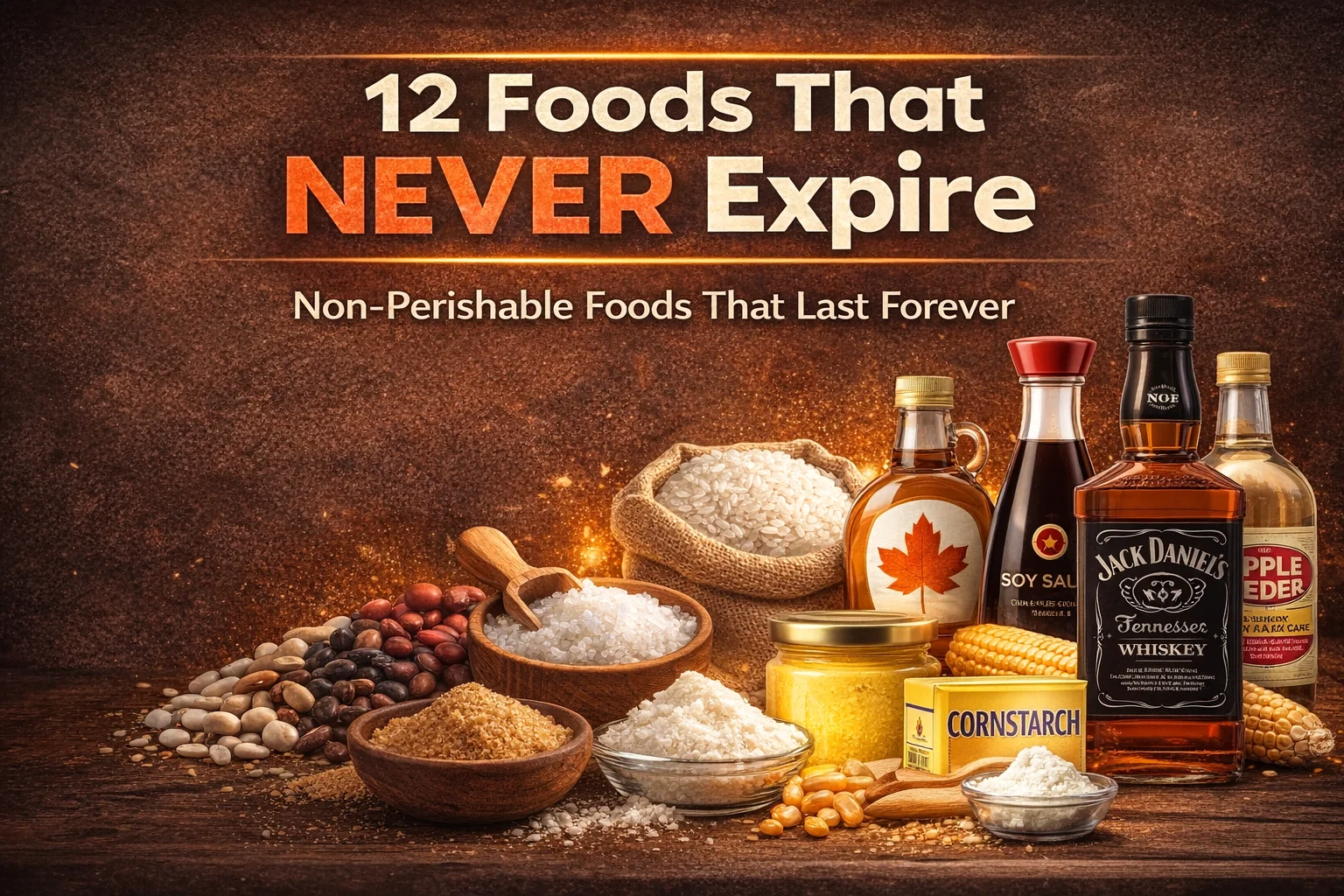
Walking through the grocery store can feel like a race against the clock. We check expiration dates on milk, sniff the bread for freshness, and second guess that bag of salad that has been in the fridge for three days. But what if you could build a kitchen treasury that defied the laws of time? Imagine a pantry so resilient that it could sustain your family through seasons of change, unexpected emergencies, or simply those weeks when the grocery budget is tight. The image above reveals a fascinating truth about the world of food: some items are practically immortal. Understanding which staples never expire is the first step toward becoming a master of your own kitchen and a savvy long term planner.
In this guide, we are diving deep into the science and strategy of the “forever pantry.” We will explore why certain foods like salt and white rice can last for decades, how to store them to ensure they stay high quality, and why building this kind of stockpile is one of the smartest moves you can make for your household. Whether you are a dedicated prepper or just someone who hates seeing food go to waste, these twelve staples are about to become your new best friends.
The Science of Food Longevity: Why Some Foods Never Spoil
To understand why these specific twelve foods last so long, we have to look at what causes food to go bad in the first place. Typically, spoilage is caused by three main culprits: moisture, bacteria, and oxygen. Bacteria and mold need water to thrive. When a food item is naturally low in moisture or high in a preservative like salt or sugar, it becomes a hostile environment for the microbes that cause decay. This is why a steak in the fridge lasts days, while a bag of dried beans can last through a presidential term.
Low Moisture and Water Activity
Foods like white rice, cornstarch, and dried beans have almost zero water content. Without water, the cellular processes of bacteria simply cannot happen. As long as you keep these items in a dry environment, they remain in a state of suspended animation. They might lose a bit of flavor or take longer to cook after twenty years, but they remain safe to consume because they lack the biological “fuel” for rot.
The Power of Natural Preservatives
Nature has its own set of bodyguards. High concentrations of salt and sugar are naturally antimicrobial. They work through a process called osmosis, which essentially sucks the water out of any bacteria that tries to land on the food, neutralizing it instantly. Similarly, high acidity in items like apple cider vinegar creates a pH level that most pathogens find impossible to survive in. When you combine these natural traits with modern packaging, you get a shelf life that outlasts most household appliances.
1. Salt: The Eternal Mineral
Salt is often categorized as a food, but as the image points out, it is technically a mineral. Because it is not an organic substance, it cannot rot or grow mold. Whether it is sea salt, Himalayan pink salt, or standard table salt, this staple will be just as salty in fifty years as it is today. The only real enemy of salt is moisture. If exposed to humidity, salt will clump together into a hard brick. However, even if it clumps, it is still perfectly safe to use; you just have to break it apart.
2. White Rice: The Ultimate Survival Carb
While brown rice has natural oils that can go rancid after about six months, white rice is a different story. When stored in an airtight container in a cool, dry place, white rice can maintain its nutrients and flavor for 30 years or more. It is the perfect foundation for any long term food storage plan because it is calorie dense, versatile, and incredibly shelf stable. To maximize its life, many people use oxygen absorbers in sealed buckets to ensure no pests or oxidation can occur over the decades.
3. Dried Beans: Protein That Stands the Test of Time
Dried beans are a powerhouse of nutrition, offering protein and fiber in a package that refuses to quit. Much like white rice, the lack of moisture prevents spoilage. It is important to note that very old beans (those kept for 5 or 10 years) may become extremely hard. They will still be safe to eat, but you might need to soak them longer or use a pressure cooker to get them back to a tender consistency. They are a must have for anyone looking to build a sustainable, plant based emergency reserve.
4. Pure Maple Syrup: Liquid Gold
Unopened pure maple syrup can last indefinitely thanks to its high sugar content. This high concentration of sugar acts as a natural barrier against microbial growth. However, there is a catch: once you open the bottle, you must refrigerate it. Because it is a natural product without artificial preservatives, mold can eventually form on the surface if left at room temperature after the seal is broken. Keep it sealed, and it stays perfect forever.
5. Apple Cider Vinegar: The Acidic Powerhouse
Vinegar is self preserving. Its high acidity means that bacteria simply cannot survive in the bottle. Over time, you might notice that your apple cider vinegar develops a cloudy sediment at the bottom or looks a bit darker. This is often just the “mother” or natural fibers settling out. It does not mean the vinegar has gone bad. It remains safe for cooking, cleaning, and wellness uses for a lifetime.
6. Soy Sauce: Fermentation at Its Best
Soy sauce is a combination of high salt content and a long fermentation process. This duo makes it incredibly resistant to spoilage. While the flavor might become more concentrated or intense after many years of being opened, it generally stays safe to consume. For the absolute best quality over the long term, keeping it in the fridge after opening helps maintain the delicate balance of flavors, but it is not strictly necessary for safety.
7. Ghee: Clarified Butter for the Long Haul
Standard butter goes rancid because it contains water and milk solids. Ghee is made by simmering butter and removing those elements, leaving behind pure butterfat. Because the components that spoil are gone, ghee is shelf stable at room temperature for much longer than traditional dairy. While some commercial brands suggest a few years, properly prepared and sealed ghee has been known to last for a very long time without losing its rich, nutty flavor.
8. Cornstarch: The Thickening Agent That Never Fails
Cornstarch is a pure carbohydrate. Like sugar and salt, it does not provide the nutrients or moisture that mold needs to grow. As long as it is kept bone dry, it will never expire. It is an essential item to keep on hand for thickening soups, stews, and gravies, even if you only use it once every few months. Just keep it in a sealed container to prevent it from absorbing kitchen odors or moisture.
9. Instant Coffee: A Caffeine Safety Net
If you are a coffee lover, the idea of running out during an emergency is a nightmare. While fresh coffee beans lose their oils and flavor quickly, freeze dried instant coffee is extremely stable. Because the moisture has been completely removed through the vacuum freezing process, it can last for decades if the seal remains intact. It might not have the “barista quality” of a fresh pour over, but it will provide that essential caffeine kick whenever you need it.
10. Hard Liquor: Safety in Spirits
Distilled spirits with an alcohol content of 40 percent or higher (like vodka, whiskey, or rum) do not support the growth of bacteria. While an opened bottle might experience some oxidation or evaporation over many years, which can slightly alter the taste, the liquid remains safe to drink. This makes hard liquor a unique addition to a long term pantry, both for personal use and for its historical value as a bartering item in extreme scenarios.
11. Sugar: Sweetness Without an End Date
Sugar, whether white, brown, or powdered, is another item that lasts forever because it is inhospitable to bacteria. The biggest challenge with sugar is texture. Brown sugar can turn into a literal rock as moisture evaporates, and white sugar can clump. Fortunately, these are physical changes, not chemical ones. You can soften sugar back up and use it exactly as you would if it were fresh from the store.
12. Honey: The Eternal Sweetener
While not explicitly detailed in every list, honey is the king of shelf life. Archaeologists have actually found pots of honey in ancient Egyptian tombs that are thousands of years old and still perfectly edible! Honey is low in moisture and naturally acidic, and bees add an enzyme called glucose oxidase that creates hydrogen peroxide, a natural disinfectant. If your honey crystallizes and turns cloudy or hard, simply place the jar in warm water to turn it back into liquid gold.
Best Practices for Long Term Storage
Even though these foods “never” expire, their quality depends heavily on how you treat them. To ensure your “forever pantry” stays in peak condition, you should follow the golden rules of food storage. The goal is to create a barrier between your food and the environment.
Control the Temperature
Heat is the enemy of shelf life. Storing your staples in a garage that reaches 90 degrees in the summer will degrade the nutrients and flavors much faster than if they were kept in a cool basement or a climate controlled pantry. Aim for a consistent temperature between 50 and 70 degrees Fahrenheit.
Eliminate Light and Moisture
Light can cause oxidation and color changes, especially in liquids like maple syrup or soy sauce. Use dark containers or store items in a dark cupboard. Moisture is even more dangerous; it is the “on switch” for mold. Using Mylar bags, glass jars with rubber seals, or food grade buckets can keep the humidity out and the freshness in.
Conclusion: Building Your Resilient Kitchen
Creating a pantry filled with these twelve “immortal” foods is about more than just being prepared for a rainy day; it is about peace of mind. When you know that your kitchen is stocked with essentials that won’t rot or go to waste, you reduce your stress, save money on grocery bills, and become more self reliant. You don’t have to buy everything at once. Start by picking up an extra bag of white rice or a large container of salt each time you shop.
By focusing on these high longevity staples, you are investing in a kitchen that works for you, year after year. So, take a look at your pantry today. Are you ready to start building a collection that stands the test of time? Start with the basics, store them properly, and enjoy the confidence that comes with a truly sustainable home.
Would you like me to help you create a specific inventory checklist or a meal plan using only these long-term staples?