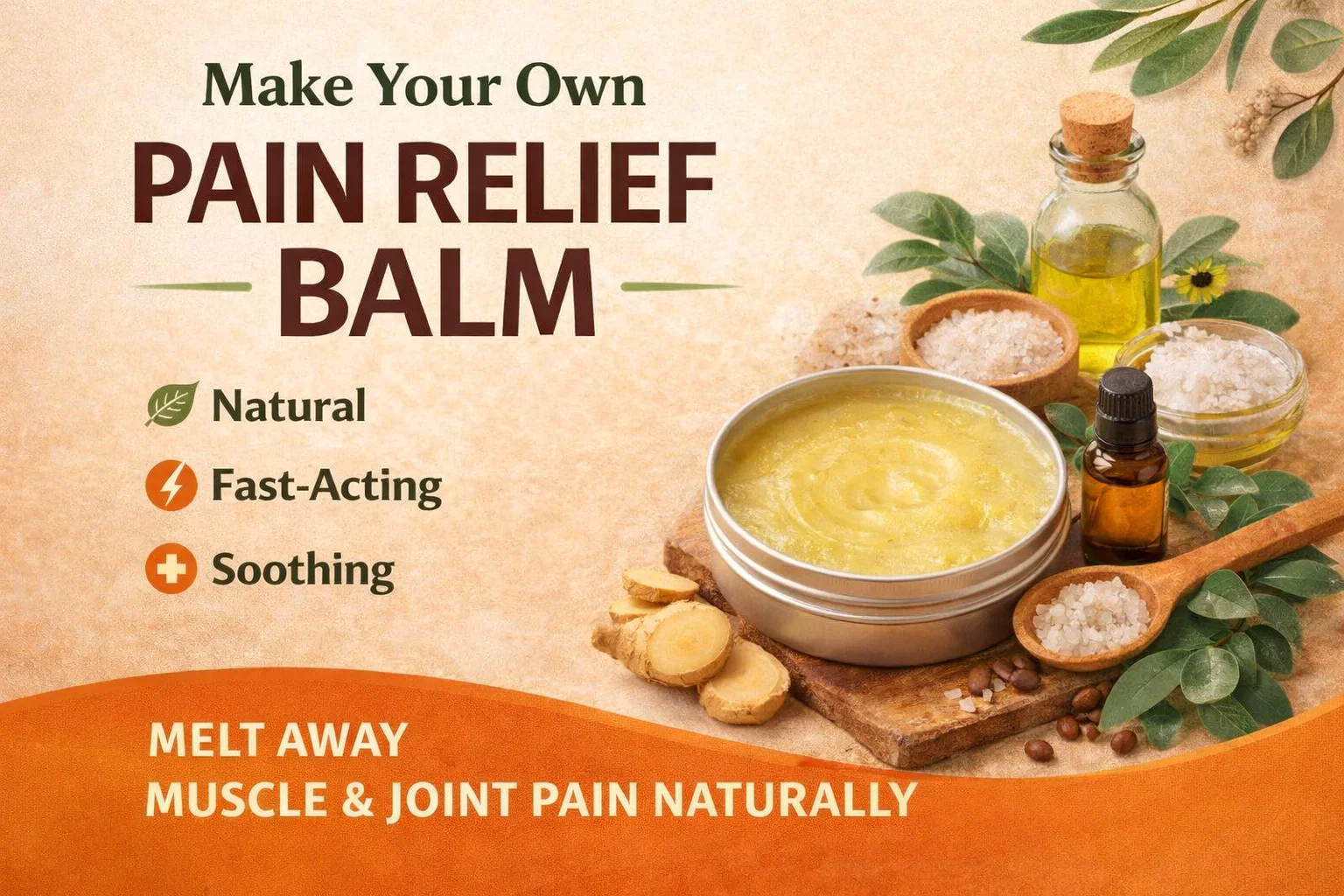
DIY Muscle and Joint Pain Relief Balm Recipe Natural Homemade Salve for Soreness and Aches
Finding a natural way to manage daily aches and pains can feel like a daunting task in a world full of synthetic options. Whether you are dealing with post-workout soreness, the stiff joints that come with changing seasons, or the tension that builds up after a long day at the office, having a reliable remedy on hand is essential. This homemade Muscle and Joint Pain Relief Balm is more than just a DIY project. It is a potent, fast-acting solution designed to melt away discomfort using the power of nature. By combining deeply moisturizing butters with invigorating essential oils, you can create a professional-grade salve right in your own kitchen.
The Power of Homemade Topical Relief
Topical balms are incredibly effective because they deliver active ingredients directly to the site of discomfort. Unlike internal supplements that must pass through the digestive system, a balm starts working the moment it touches your skin. This specific recipe focuses on high-quality, plant-based ingredients that work synergistically to reduce inflammation and improve blood flow. Making your own products also ensures that you know exactly what is going into your body, free from parabens, artificial fragrances, or petroleum-based waxes.
Why Grams Matter in DIY Recipes
You might notice that this recipe uses grams rather than drops or tablespoons for the base ingredients. Precision is key when creating a balm that has the perfect consistency. If you use too much oil, the balm will be greasy and runny. If you use too much beeswax, it will be too hard to spread. By using a digital scale, you ensure a consistent texture every single time, resulting in a product that feels luxurious and absorbs beautifully into the skin.
Deconstructing the Ingredients: What Makes it Work?
Each component of this pain relief balm serves a specific purpose. We are not just creating a pleasant scent; we are building a functional remedy. Understanding the science behind these natural ingredients helps you appreciate why this balm is so effective for joint stiffness and muscular fatigue.
- Beeswax (20g): This acts as the hardening agent and provides a protective barrier on the skin. It helps the essential oils stay in contact with your skin longer, allowing for deeper penetration.
- Shea Butter (30g): Known for its incredible moisturizing properties, shea butter makes the balm creamy and easy to spread while nourishing the skin.
- Coconut Oil (20g): This oil is a fantastic carrier that absorbs quickly. It also has mild anti-inflammatory properties of its own.
- Olive Oil (30g): You can use plain olive oil, but ginger-infused olive oil takes this recipe to the next level by adding an extra layer of warmth and circulation support.
The Essential Oil Blend: Cooling and Warming
The real “magic” happens when you add the essential oils. The combination of Eucalyptus and Peppermint creates a sensory experience known as the “icy-hot” effect. Peppermint oil contains menthol, which provides a cooling sensation that desensitizes sensory nerves. Meanwhile, Eucalyptus oil helps to invigorate the area and move stagnant energy. If you choose to add Ginger essential oil or Camphor crystals, you increase the warming effect, which is particularly beneficial for chronic joint issues or arthritis-related stiffness.
Step-by-Step Guide to Crafting Your Balm
Creating this balm is a straightforward process, but it requires patience and a gentle touch. Using a double boiler is non-negotiable because direct heat can scorch the delicate oils and diminish the therapeutic properties of the shea butter.
Step 1: Melting the Base
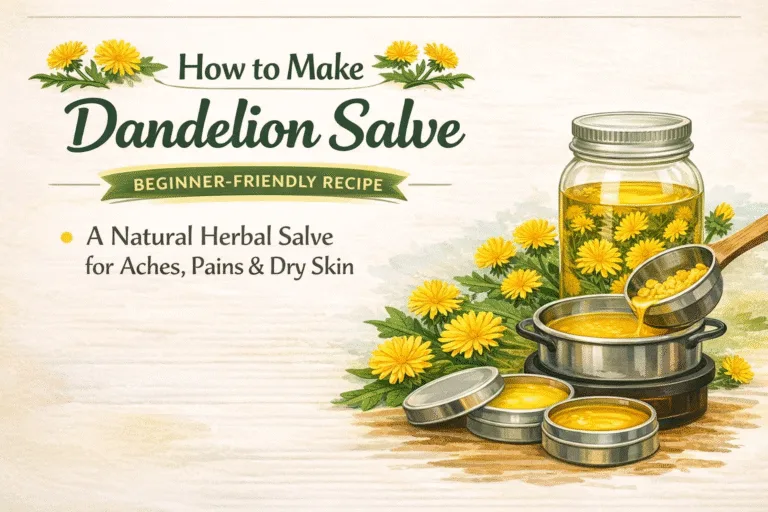
Start by placing your beeswax in the top part of a double boiler. If you do not have a professional double boiler, a glass bowl placed over a pot of simmering water works perfectly. Once the beeswax is fully liquid, add the shea butter and coconut oil. Stir slowly with a wooden stick or a stainless steel spoon until the mixture is uniform and clear.
Step 2: Integrating the Liquid Oils
Pour in your 30 grams of olive oil. If you are using camphor crystals for a stronger effect, this is the time to add them. Ensure they are completely dissolved in the warm oil mixture before moving to the next step. The goal is a smooth, grit-free texture.
Step 3: The Cooling Phase
This is the most critical part of the process. Remove the mixture from the heat and let it sit for a few minutes. You want the liquid to be cool enough that it doesn’t “flash off” or evaporate the volatile essential oils, but warm enough that it is still a pourable liquid. Once it has cooled slightly, stir in your eucalyptus, peppermint, and optional ginger oils.
Step 4: Setting the Balm
Pour the liquid into a clean tin or glass jar. Allow it to sit undisturbed at room temperature for several hours. As it cools, it will transform from a golden liquid into an opaque, creamy balm. Once it is fully set, you can cap it and store it in a cool, dark place.
How to Apply for Maximum Results
To get the most out of your homemade relief balm, application technique matters. Simply rubbing it on the surface is a start, but a localized massage will yield much better results. Focus on the “trigger points” where tension is held. For example, if your neck is stiff, apply the balm to the base of the skull and down the sides of the neck into the shoulders.
Targeting Specific Areas
For knee and joint pain, try to apply the balm after a warm shower when your pores are open. This allows the camphor and menthol to reach the deeper tissues more effectively. For lower back pain, have a partner massage the balm into the muscles on either side of the spine using circular motions. The warming sensation from the ginger and the cooling from the peppermint will work together to relax the muscle fibers and reduce the perception of pain.
The Benefits of a Natural Approach
Choosing a natural balm over a chemical-heavy alternative offers several long-term benefits. First, you avoid the strong, medicinal smell associated with many commercial rubs. While this balm has a pleasant herbal aroma, it is not overpowering. Second, the fats in shea butter and coconut oil actually improve skin health rather than drying it out. Finally, there is a profound psychological benefit to using a remedy you crafted yourself. It empowers you to take control of your own wellness journey.
Shelf Life and Storage Tips
Because this recipe does not contain water, it has a surprisingly long shelf life. When stored in a cool, dry place away from direct sunlight, your balm should remain fresh and potent for 6 to 12 months. If you live in a very warm climate, you might find the balm softens during the summer. In that case, keeping it in the refrigerator can provide an extra cooling kick when you apply it to sore muscles.
Safety Considerations and Best Practices
While natural ingredients are generally safe, essential oils are very concentrated. It is always a good idea to perform a small patch test on your forearm before applying the balm to a large area of the body. This ensures you do not have a sensitivity to the peppermint or eucalyptus oils.
- Avoid Broken Skin: Never apply this balm to open wounds, cuts, or rashes. The essential oils will cause significant stinging.
- Keep Away from Eyes: The menthol in peppermint oil is very volatile. If you touch your eyes after applying the balm, it will cause irritation. Always wash your hands thoroughly after use.
- Child Safety: This particular blend is quite strong and is not recommended for children under the age of 5. For older children, you may want to dilute the essential oil count even further.
Embracing the Holistic Lifestyle
Integrating a homemade pain relief balm into your life is a wonderful step toward a more holistic lifestyle. It encourages you to slow down and listen to your body. Instead of just “masking” pain with a pill, you are engaging in a ritual of self-care. This balm pair beautifully with other natural practices like gentle stretching, magnesium baths, and proper hydration. When you treat your body with high-quality natural ingredients, it responds with increased vitality and comfort.
Conclusion
Making your own Muscle and Joint Pain Relief Balm is an empowering way to manage physical discomfort without relying on harsh chemicals. With a few simple ingredients and a little bit of time, you can create a high-quality remedy that is both effective and affordable. This balm is a testament to the fact that nature provides us with everything we need to soothe our bodies and support our well-being. Whether you are an athlete, a busy parent, or someone managing chronic stiffness, this recipe is sure to become a staple in your natural medicine cabinet. Give it a try and feel the difference that a handmade, heart-centered remedy can make in your daily life.
Would you like me to generate a specific list of Pinterest keywords or a meta description to go along with this blog post?