How to Sew a Perfect V-Neckline or Slit Easy Sewing Machine Tips for Beginners
Precision is the hallmark of any high quality handmade garment, and few things are as satisfying as watching a perfectly aligned seam come together under the presser foot. Whether you are working on a plunging V-neckline, a side slit for a summer skirt, or a decorative opening on a tunic, the transition point where the fabric splits requires a steady hand and a clear technique. Mastering these small, intricate details is what separates a homemade project from a professional piece of wearable art. By slowing down and focusing on the mechanics of your sewing machine, you can turn a potentially frustrating corner into a crisp, clean feature that enhances the overall look of your clothing.
The Importance of Precision in Necklines and Slits
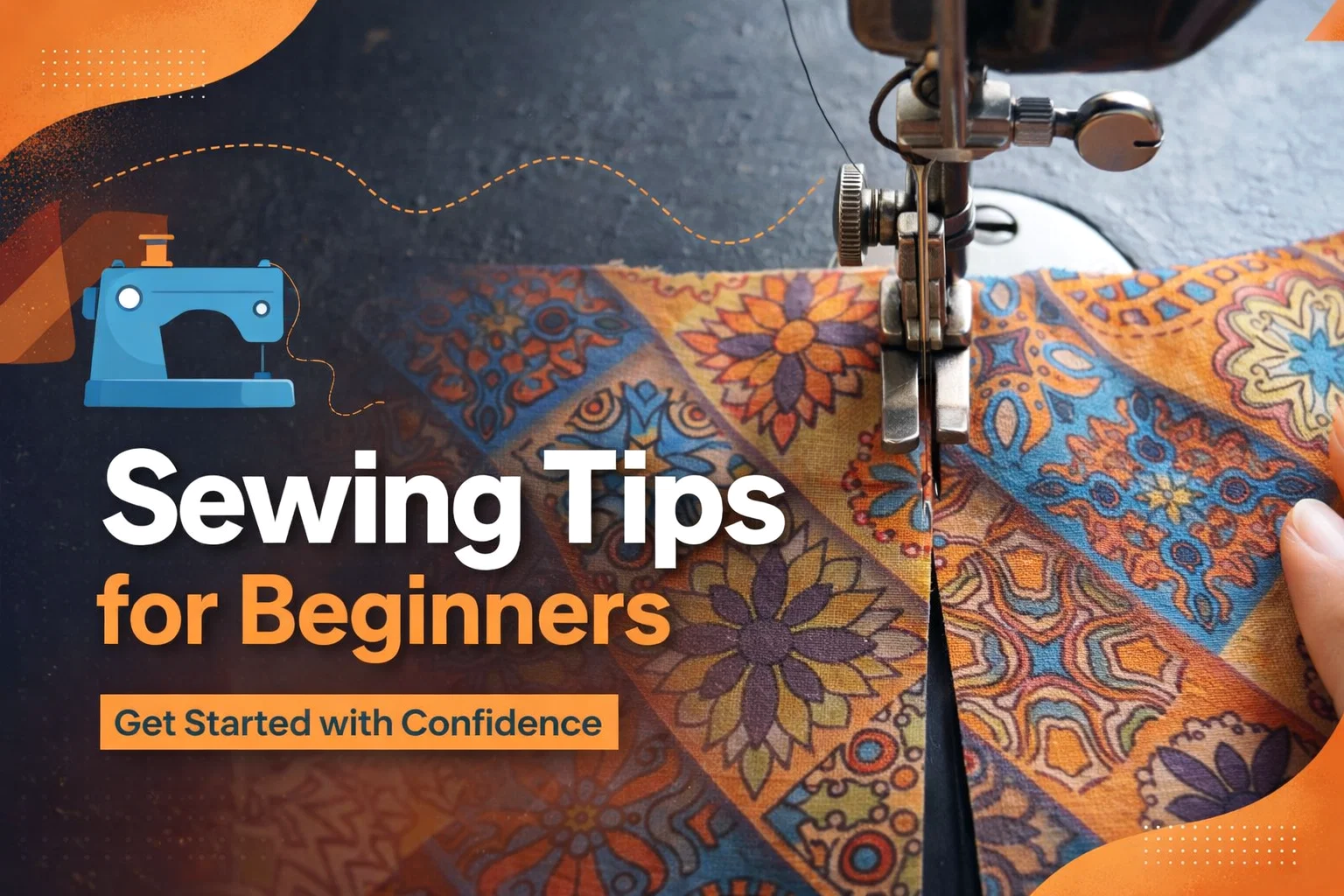
When sewing with bold, intricate patterns like the mandala and geometric prints seen in modern bohemian textiles, every stitch counts. Patterns provide a beautiful visual texture, but they can also highlight any inconsistencies in your sewing line. A V-neckline that is slightly off-center or a slit that puckers at the top can disrupt the flow of the design. Precision is not just about aesthetics; it is about the structural integrity of the garment. The point of a V-neck or the top of a slit is a high stress area that undergoes frequent movement and pulling. If the stitching is not reinforced or executed correctly, the fabric is much more likely to fray or tear over time.
Choosing the Right Needle and Thread
Before you even lower the presser foot, you must ensure your tools are suited for the job. For medium weight cottons or blended fabrics with detailed prints, a universal needle in size 80/12 is usually the best choice. If your fabric is particularly fine or delicate, switching to a 70/10 needle will prevent visible holes in the weave. Using a high quality polyester thread provides the necessary strength and slight elasticity needed for seams that will sit against the body. Always match your thread color to the most prominent background hue of your fabric to ensure the stitches blend seamlessly into the design.
Step by Step Guide to Sewing a Sharp V-Neck
The secret to a perfect V-neck is all in the pivot. Many beginners make the mistake of trying to sew around the corner in one continuous, curved motion, but this often results in a rounded, messy point. To get that sharp, professional angle, you need to treat the point as a literal stop and start. As you approach the bottom of the V, shorten your stitch length. This provides more control and reinforces the point where the fabric will eventually be clipped. Stop with the needle in the down position exactly at the apex, lift the presser foot, rotate the fabric, and then continue sewing up the other side.
Stabilizing the Fabric Before Stitching
One of the biggest challenges when sewing openings is fabric distortion. Because you are often sewing on a slight bias or near a cut edge, the fabric can easily stretch out of shape. To prevent this, consider the following tips:
- Stay Stitching: Sew a line of regular stitches just inside the seam allowance before you join your pieces. This acts as an anchor and prevents the neckline from growing as you handle it.
- Interfacing: Apply a small square of lightweight fusible interfacing to the wrong side of the fabric at the very point of the V or the top of the slit. This gives the needle a stable base and prevents the fabric from shredding when you clip into the corner.
- Marking: Use a tailor’s chalk or a disappearing ink pen to draw the exact path of your stitches. Following a line is much easier than eyeing the seam allowance when you are navigating a sharp turn.
Handling Intricate Patterns and Prints
Sewing on patterned fabric adds an extra layer of complexity. With a busy print, you want to ensure that the design remains the star of the show. In the image, the vibrant oranges, teals, and purples create a rich tapestry that requires careful alignment. When you are sewing a slit or a seam that joins two patterned pieces, take the time to pin frequently. Pattern matching might seem like an advanced skill, but it simply requires patience. By aligning the motifs before you start sewing, you create a visual continuity that makes the garment look much more expensive and well made.
Maintaining Consistent Tension
The tension of your sewing machine plays a vital role in how the fabric lays. If the tension is too tight, the fabric will pucker along the seam line, which is especially noticeable on flat areas like a neckline. If it is too loose, the stitches will look sloppy and might even gap when the garment is worn. Always test your stitches on a scrap piece of the same fabric before starting on your actual project. Look for a balanced stitch where the top and bottom threads interlock perfectly within the layers of the fabric.
Advanced Techniques for Professional Finishes
Once you have mastered the basic pivot, you can explore more advanced ways to finish your openings. For a truly high end look, consider using a facing or a binding. A facing is a separate piece of fabric cut to the same shape as the neckline, which is sewn to the edge and then turned to the inside. This hides all raw edges and provides a clean, weighted finish that helps the neckline lay flat against the chest. Alternatively, a bias binding can be used to wrap the raw edges, adding a decorative pop of color or a clean, minimalist edge.
Clipping and Notching for Smooth Curves
No matter how perfect your stitching is, the fabric will not lay flat unless you clip into the seam allowance. At the point of a V-neck, you must clip the fabric almost to the stitching line. This releases the tension in the fabric and allows it to open up when turned right side out. Be extremely careful not to cut through your threads. If you used a shortened stitch length at the point as suggested earlier, you will have a much more secure foundation for this clip. For curved areas, small V-shaped notches removed from the seam allowance will prevent bulk from bunching up inside the garment.
Common Sewing Machine Troubleshooting
Even the most experienced sewists encounter hiccups. If your machine starts skipping stitches as you move through the layers of a slit, it may be time to change your needle. A dull needle will struggle to penetrate the fabric cleanly, especially at reinforced points. If the fabric is being “eaten” by the feed dogs at the start of a seam, try starting your stitches about a quarter inch in from the edge and then backstitching to the start. You can also hold the thread tails firmly as you begin the first few stitches to provide extra stability.
The Power of Pressing
If there is one rule in sewing that should never be ignored, it is to press as you go. Many people wait until the entire garment is finished to iron it, but professional results are achieved by pressing every single seam immediately after it is sewn. For a V-neck or a slit, pressing the seam flat first to set the stitches, and then pressing it open or to one side, makes a world of difference. Use a tailor’s ham or a sleeve board to get into those awkward angles without creating new creases in other parts of the fabric.
Encouraging Creativity Through DIY Fashion
Sewing is more than just a functional skill; it is a form of self expression. When you learn how to handle tricky details like the ones shown in the image, you gain the confidence to move away from basic patterns and start designing your own clothes. You can experiment with different slit heights, unique neckline shapes, and bold fabric combinations. The ability to create something with your own two hands that fits your body perfectly is incredibly empowering. Every project is a learning experience, and even the mistakes are just stepping stones toward becoming a master of the craft.
Building a Sustainable Wardrobe
In a world of fast fashion, taking the time to sew your own clothing is a radical act of sustainability. When you put the effort into sewing a perfect neckline or a reinforced slit, you are creating a garment that is designed to last. You are choosing quality over quantity and making conscious decisions about the materials you use. Handmade clothes often carry more sentimental value, meaning they are less likely to end up in a landfill. By repairing, upcycling, and creating from scratch, you are contributing to a more mindful and eco friendly fashion industry.
Conclusion: Refining Your Craft One Stitch at a Time
Sewing is a journey of continuous improvement. The image of the needle meeting the fabric at a precise junction is a beautiful representation of the focus and care that goes into every handmade item. By applying these techniques for sharp pivots, proper stabilization, and meticulous pressing, you can elevate your sewing projects from simple crafts to professional garments. Remember that patience is your best tool. Take the time to prep your fabric, test your machine settings, and navigate those corners slowly. The result will be a beautifully finished piece that you can wear with pride, knowing that the beauty is found in the details. Keep practicing, keep experimenting, and most importantly, enjoy the process of bringing your creative visions to life through the rhythmic movement of the needle and thread.