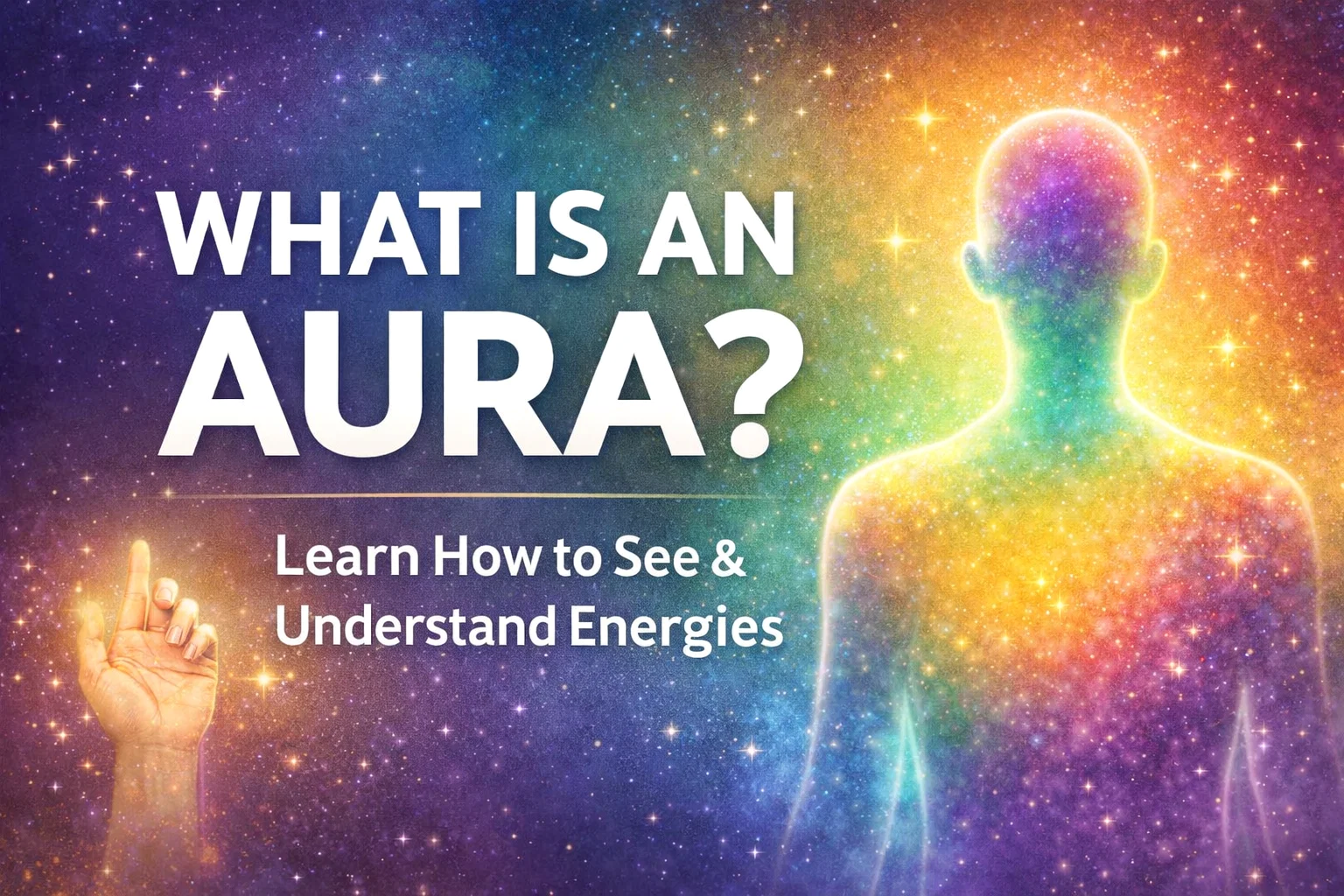
Aura Color Meanings and How to See Your Aura Spiritual Energy Guide Intuition Tips
Have you ever walked into a room and immediately felt a specific vibe from someone before they even spoke a word? Or perhaps you have noticed a subtle, glowing light around a person during a moment of deep connection? What you are experiencing is the presence of an aura. This magnetic field is a fascinating aspect of our energetic existence, serving as a silent language that communicates our emotions, health, and spiritual alignment to the world around us. Understanding the nuances of your own aura is not just for experts in spiritual practices; it is a powerful tool for self-discovery and personal growth that anyone can access with a bit of patience and an open mind.
What Exactly Is an Aura?
At its core, an aura is a field of luminous radiation surrounding a person or object. Think of it as an energetic blueprint that reflects your current state of being. While it may seem like something out of a fantasy novel, many cultures and spiritual traditions have recognized this energy for centuries. In scientific terms, every living thing generates an electromagnetic field. In the spiritual realm, this field is believed to contain layers that correspond to our physical, emotional, mental, and spiritual health.
Your aura is not static. It is a flowing, changing force that reacts to your environment, your thoughts, and your interactions with others. When you are feeling joyful and healthy, your aura might appear bright and expansive. Conversely, if you are stressed or physically ill, it may become constricted or dull. Learning to sense or see these shifts can provide you with an early warning system for your own well-being.
The Science and Intuition of Sensing Energy
Many people wonder if seeing an aura requires a special gift. The truth is that everyone possesses the intuitive capacity to sense energy. You likely already do this without realizing it. Have you ever felt “drained” after talking to a specific person? Or felt “recharged” after spending time in nature? These are direct reactions to the energetic fields you are interacting with.
Transitioning from sensing a vibe to actually visualizing the colors of an aura takes practice. It involves training your physical eyes to perceive the subtle frequencies of light that exist just outside the normal visible spectrum. By relaxing your focus and engaging your peripheral vision, you can begin to see the soft glow that emanates from the body. This practice bridges the gap between our logical understanding of the world and our innate spiritual intuition.
A Step-by-Step Guide to Seeing Your Own Aura
If you are ready to move beyond just feeling energy and want to start seeing it, you can follow these simple steps. Remember that consistency is key, and it might take several attempts before you notice your first flicker of color.
1. Prepare Your Environment
Find a quiet space where you will not be interrupted. Lighting is crucial here; soft, natural light is usually best. Avoid harsh overhead fluorescent lights. You want an environment that encourages relaxation and focus.
2. Ground and Center Yourself
Sit comfortably and take several deep breaths. Release any expectations or pressure to “perform.” The more relaxed you are, the easier it is for your subtle senses to take over. Imagine roots growing from your feet into the earth to feel stable and present.
3. The Hand Technique
Place your hand against a plain, neutral background. A white or cream-colored wall is ideal because it provides the least amount of visual “noise.” Spread your fingers slightly and hold your hand about twelve inches away from your face.
4. Soften Your Gaze
Instead of looking directly at your hand with a sharp focus, look slightly past it or at the space between your fingers. Allow your eyes to go out of focus. After a minute or two, you may begin to see a thin, milky white or transparent outline around your skin. This is the first layer of the aura.
5. Observe the Colors
As you maintain your soft gaze, the milky outline may begin to take on a specific hue. Do not try to force it or name it immediately. Just observe the colors as they manifest. Trust your first impression, as your intuition is often faster than your logical mind.
Decoding the Meaning of Aura Colors
Once you begin to perceive colors, the next step is understanding what they represent. Each color carries a specific frequency and meaning, offering a glimpse into the personality and current state of the individual.
The Bold and Grounded Hues
- Red: This color signifies a strong, passionate, and driven individual. People with red auras are often ambitious and grounded in the physical world. However, if the red is dark or muddy, it may indicate suppressed anger or an egotistical nature.
- Orange: This is the color of creativity and social energy. An orange aura suggests a person who is youthful, outgoing, and a natural leader. They are often idealistic and confident in their ability to manifest their goals.
- Brown: Often misunderstood, a brown aura indicates a practical and committed person. These individuals are gentle and self-assured. On the flip side, it can sometimes hint at a tendency toward being greedy or overly focused on material security.
The Emotional and Intellectual Spectrum
- Pink: A pink aura reflects a sensual and empathetic soul. These individuals are often eccentric and emotional, deeply connected to their feelings. While they are incredibly kind, they can sometimes be seen as flighty.
- Yellow: The color of sunshine and intellect. Those with yellow auras are optimistic, friendly, and highly creative. They make excellent diplomats. However, their trusting nature can sometimes make them gullible.
- Green: This is the hallmark of a healer. A green aura signifies a compassionate, peaceful, and generous spirit. It shows a deep connection to growth. If the green is tinged with darker shades, it might indicate feelings of jealousy.
The Spiritual and Intuitive Tones
- Blue: Blue represents a loyal and spiritual nature. These people are sensitive and expressive, often possessing a calm demeanor. Because they feel so deeply, they can occasionally be prone to moody shifts.
- Indigo: This deep color points to an open-hearted and aligned individual. They are enlightened and highly sensitive, often preferring secluded environments where they can connect with their inner wisdom.
- Purple: A purple aura is the sign of a visionary. These individuals are intuitive, wise, and insightful. They often have a strong sense of purpose, though they must be careful not to appear pompous to others.
Special and Rare Aura Variations
- White: This is a very high-frequency color representing a balanced and highly spiritual healer. It signifies a person who is blessed and clear in their intentions.
- Black: A black aura is often a sign of a temporary state rather than a personality trait. It can indicate a person who is lacking energy, acting as an energy vampire, or dealing with a significant illness.
- Rainbow: Rare and radiant, a rainbow aura suggests a person who is fulfilled and living with a higher purpose. These individuals are often hopeful, psychic, and project a radiant energy to everyone they meet.
Using Your Aura in Daily Life and Energy Work
Knowing your aura color is not just a fun fact; it is a practical tool for energy management. Once you understand your dominant vibration, you can use that knowledge to enhance your daily life and spiritual practices. For instance, if you know you have a sensitive blue aura, you might realize you need more downtime after social events to “clear” your field.
In witchcraft and other energy-based practices, the aura is used as a source of power. You can visualize your aura expanding to create a protective shield when you are in negative environments. Alternatively, you can pull your aura inward to conserve energy during times of exhaustion. By treating your aura as a visualization tool, you gain more control over how the world affects you and how you affect the world.
Protecting Your Energetic Field
Just as you wash your physical body, your energetic body needs cleansing. Negative interactions or stressful environments can leave “smudges” on your aura. Simple practices like spending time in nature, taking a salt bath, or using sound healing can help restore the clarity and brightness of your colors. Awareness is the first step in maintaining a healthy, vibrant magnetic field.
Conclusion: Embracing Your Inner Radiance
Exploring the world of auras opens up a new dimension of self-understanding. It reminds us that we are more than just physical beings; we are vibrant, energetic entities constantly interacting with the universe. Whether you are a seasoned practitioner of energy work or a curious newcomer, learning to see and interpret these colors can lead to profound insights about your personality, your health, and your spiritual path.
Take the time to practice the techniques mentioned above. Be patient with yourself and trust your intuition. As you become more attuned to your own aura, you will likely find that you move through the world with more confidence, empathy, and clarity. Your aura is your unique signature in the world of energy. Embrace its colors, nurture its strength, and let your inner light shine brightly for all to see.