DIY Magnesium Bath Salts Recipe for Muscle Relief Homemade Relaxation Spa Gift at Home
Creating a sanctuary within your own home has never been more important. Between the hustle of daily responsibilities and the physical toll of a desk-bound or high-activity lifestyle, our bodies often carry more tension than we realize. One of the most effective and time-tested ways to melt away that stress is through a magnesium-rich soak. While store-bought bath products often come with high price tags and synthetic fragrances, making your own magnesium bath salts is a rewarding, budget-friendly, and therapeutic project that allows you to control exactly what goes onto your skin.
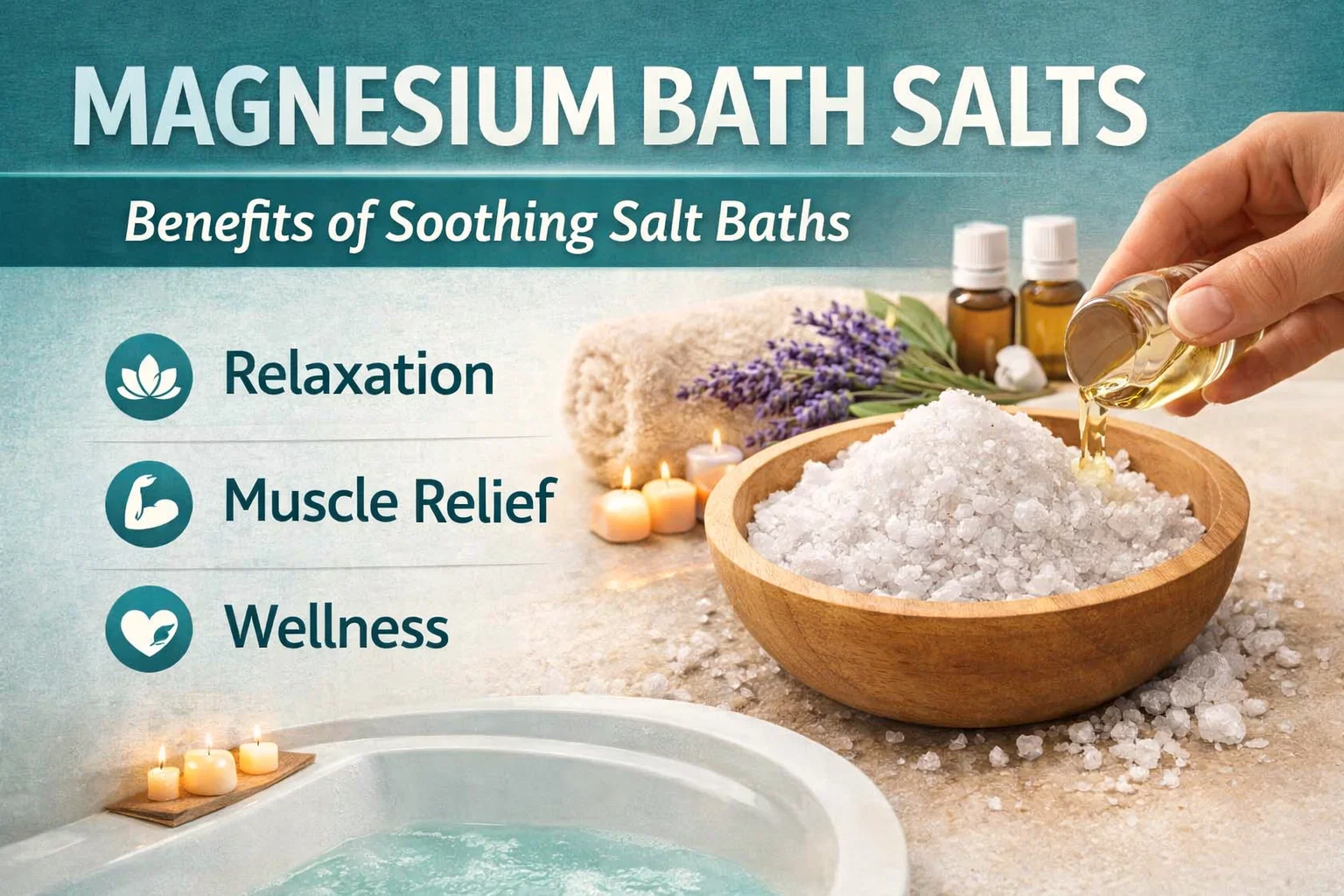
Magnesium is an essential mineral that plays a role in over 300 biochemical reactions in the human body. From supporting muscle function to regulating the nervous system, its benefits are vast. When used in a warm bath, magnesium salts like Epsom salt and Dead Sea salt work through osmotic pressure to help soothe tired limbs and calm the mind. This guide will walk you through the science, the steps, and the creative ways to customize your own spa-grade bath salts for the ultimate relaxation experience.
The Power of Magnesium for Muscle Relief and Relaxation
Before diving into the mixing bowl, it is helpful to understand why magnesium is the star ingredient of this recipe. Most people are familiar with Epsom salts, but fewer realize that Epsom salt is actually magnesium sulphate. This compound has been used for centuries to treat minor aches and pains. When dissolved in warm water, it breaks down into magnesium and sulfate, which are then available to interact with your body in a soothing environment.
Reducing Muscle Soreness and Tension
Whether you are an athlete recovering from an intense workout or someone who carries stress in their shoulders and neck, magnesium is a natural muscle relaxant. It helps to regulate neuromuscular signals and muscle contractions. By soaking in a concentrated magnesium bath, you provide your body with the perfect environment to release lactic acid buildup and ease the stiffness that leads to discomfort.
Improving Sleep Quality and Stress Management
Magnesium is often referred to as the relaxation mineral. It helps the body produce melatonin and interacts with GABA, a neurotransmitter that reduces activity in the nervous system. A warm bath before bed infused with these salts can signal to your brain that it is time to wind down, making it significantly easier to fall into a deep, restorative sleep.
Deconstructing the Ingredients: What You Will Need
To create a high-quality, 500g batch of bath salts, you need a balance of different minerals and textures. Each ingredient in this recipe serves a specific purpose, from detoxification to skin softening.
- 350g Epsom Salt (Magnesium Sulphate): This is your primary base. It provides the bulk of the magnesium content and is excellent for drawing out toxins and reducing inflammation.
- 100g Dead Sea Salt or Fine Sea Salt: Dead Sea salt contains a unique mineral profile including calcium, potassium, and bromides. These minerals help to hydrate the skin and strengthen the skin barrier.
- 30g Baking Soda (Sodium Bicarbonate): This is an optional but highly recommended addition. Baking soda helps to neutralize skin acidity, relieves irritation, and leaves the water feeling silky smooth.
- 20g Cornstarch or Arrowroot Powder: This acts as a carrier for your essential oils. It helps the oils distribute evenly throughout the salt mixture rather than clumping or floating on top of the water.
Optional Add-Ins for a Spa-Grade Experience
To elevate your bath salts from a simple remedy to a sensory experience, you can incorporate aromatherapeutic elements. Essential oils like Lavender are perfect for sleep, while Eucalyptus provides a refreshing, cooling sensation for sore muscles. Rosemary is also a fantastic choice for boosting circulation. Adding a tablespoon of a carrier oil like Coconut or Jojoba oil ensures your skin remains moisturized, while dried flowers like rose petals or chamomile buds add a beautiful visual touch that makes every bath feel like an occasion.
Step-by-Step Guide to Crafting Your Magnesium Bath Salts
The process of making these salts is simple, but the order of operations matters to ensure the essential oils are safely diluted and the texture remains consistent.
Step 1: The Scent Infusion
Start by placing your cornstarch or arrowroot powder in a small bowl. Add your 10-15 drops of essential oils directly into the powder. Use a small spoon to mix them until the powder looks slightly damp but uniform. This step is crucial because essential oils are highly concentrated and can cause skin irritation if they come into direct contact with your body in the water. The powder helps “anchor” the scent and disperse it safely.
Step 2: Combining the Mineral Base
In a large glass mixing bowl, combine the Epsom salt, Dead Sea salt, and baking soda. Use your hands or a wooden spoon to break up any large clumps. You want a consistent, free-flowing mixture. This blend of different grain sizes creates a beautiful aesthetic and ensures that the salts dissolve at slightly different rates, providing a sustained mineral release during your soak.
Step 3: Integrating the Scented Powder
Add the scented cornstarch mixture to your bowl of salts. Toss the ingredients together thoroughly. You should notice that the salts take on a very subtle matte finish as they are coated by the powder. This is also the time to add your carrier oil if you are using one. Drizzle the oil slowly and continue mixing to avoid clumping.
Step 4: Final Touches and Storage
If you are adding dried botanicals, fold them in gently at the very end so they do not break apart too much. Once everything is well-combined, transfer the mixture into an airtight glass jar. Storing your salts in glass helps preserve the potency of the essential oils and prevents moisture from the air from turning your salt into a solid block.
Pro Tips for the Perfect Soaking Ritual
Creating the product is only half the battle. To get the most out of your homemade magnesium bath salts, you should follow a few best practices for your actual bath time.
Temperature and Timing
The water should be warm but not scalding. Water that is too hot can actually be stressful for the body and may cause you to sweat excessively, which can be counterproductive to the relaxation process. Aim for a temperature that feels comfortable and inviting. For the best results, soak for at least 15 to 30 minutes. This gives your skin enough time to absorb the minerals and allows your muscles to fully relax.
Hydration is Key
Because salt baths can be detoxifying, they may cause you to lose fluids. Always keep a glass of water or a cup of herbal tea nearby to sip on while you soak. This ensures that you stay hydrated and helps your body process the relaxation more effectively.
Safety and Precautions
Always avoid adding food coloring to your bath salts, as these can stain both your skin and your bathtub. Stick to natural colors from clays or botanicals if you want a visual pop. Additionally, be careful when exiting the tub if you have used carrier oils, as the surface can become quite slippery.
Why Homemade is Better Than Store-Bought
When you look at the back of a standard bag of scented bath salts from the grocery store, you will often see “fragrance” or “parfum” listed. These terms can hide hundreds of synthetic chemicals that may irritate sensitive skin or disrupt hormones. By making your own, you are using pure, therapeutic-grade ingredients. You also have the freedom to adjust the ratios. If your skin feels particularly dry, you can increase the Dead Sea salt and carrier oils. If your muscles are exceptionally sore, you can double up on the Epsom salt.
Furthermore, this is a sustainable choice. Reusing glass jars and buying salts in bulk reduces plastic waste significantly. It is a win for your body, your wallet, and the planet.
Conclusion: Embrace the Art of Self-Care
Taking the time to craft your own magnesium bath salts is a beautiful act of self-care. It encourages you to slow down, engage your senses, and prioritize your physical and mental well-being. This simple recipe provides a professional, spa-grade result that can transform a standard Wednesday night into a rejuvenating retreat. Whether you are making a batch for your own bathroom cabinet or gifting a jar to a loved one, these salts are a testament to the power of natural ingredients.
Remember that wellness is not about grand gestures, but about the small, consistent habits that help us feel our best. A magnesium soak is a perfect example of how a few simple ingredients can make a profound difference in how we move and feel. So, gather your salts, choose your favorite scents, and prepare to wash away the stress of the day. Your body will certainly thank you for it.