10 Life Cheat Codes for Better Habits, Mental Health and Daily Productivity Success
Have you ever felt like life did not come with an instruction manual? Most of us spend our days reacting to stress, fighting the snooze button, and making impulsive decisions that we later regret. The truth is that success and happiness are rarely the result of massive, overnight transformations. Instead, they are built on a foundation of small, strategic habits that act as cheat codes for your daily existence. By implementing tiny shifts in how you wake up, how you communicate, and how you process your emotions, you can completely rewire your trajectory. These are the secrets that high performers use to stay ahead, and today, we are breaking down the essential rules to help you master your own life.
The Power of a Disciplined Morning Routine
The way you start your morning sets the tone for the entire day. If you begin your day in a state of panic, rushing to get ready while staring at a screen, you are essentially training your brain to be reactive rather than proactive. One of the most effective ways to reclaim your morning is by changing your relationship with the alarm clock. Placing your alarm in the bathroom or across the room forces you to physically leave the comfort of your bed. This simple movement breaks the sleep cycle and prevents the dreaded snooze loop that leaves you feeling groggy and unmotivated.
Hydration Before Caffeine
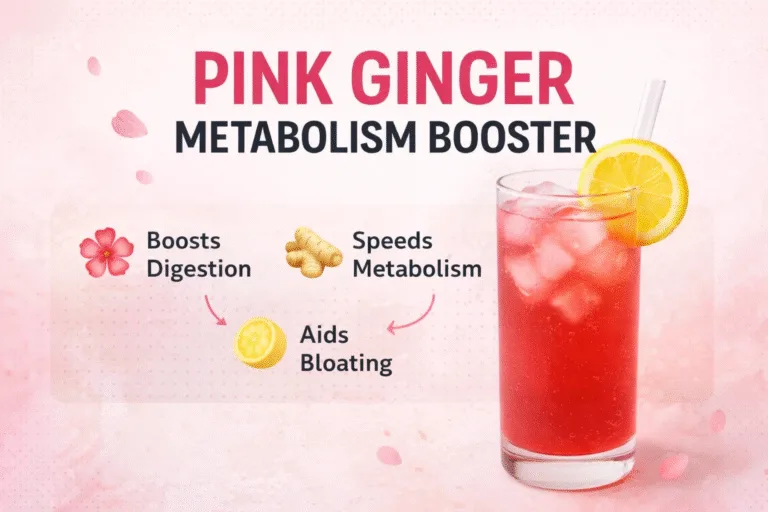
Most people reach for a cup of coffee the second they open their eyes. While that caffeine hit feels necessary, your body is actually crying out for hydration after six to eight hours of sleep. Drinking a full glass of water before your first sip of coffee kickstarts your metabolism and helps flush out toxins. It wakes up your internal organs and provides a natural boost of energy that prevents the mid-morning crash often associated with coffee consumption on an empty stomach. Making this one small switch can significantly improve your digestion and skin health over time.
The 15 Minute Morning Walk
Physical movement early in the day is a biological cheat code. A short, 15 minute walk in the morning sunlight regulates your circadian rhythm, which helps you fall asleep more easily at night. Beyond the physical benefits, this time outdoors acts as a moving meditation. It allows you to clear your head, set your intentions, and boost your mood through the release of endorphins. It is not about intense exercise; it is about telling your body and mind that the day has officially begun with purpose.
Mastering the Art of Decision Making
We make thousands of decisions every day, but many of them are clouded by temporary states of mind. To live a life of high quality, you must learn to separate your permanent values from your temporary feelings. This is where the 24 hour rule becomes your greatest ally. When you feel a surge of anger, excitement, or frustration, your brain is often in a state of high emotional arousal. This is the worst time to send a heated email, make a major purchase, or end a relationship. By waiting a full day, you allow your logical mind to catch up with your emotions, ensuring that your actions align with your long term goals.
Avoiding the HALT Triggers
There is a classic acronym used in productivity and wellness circles: HALT. It stands for Hungry, Angry, Lonely, or Tired. You should never make a significant life decision when you are in any of these four states. When you are tired or hungry, your willpower is depleted and your perspective is narrowed. You are more likely to take the path of least resistance or act out of irritability. Recognizing when you are compromised by these physical or emotional needs is a superpower that prevents unnecessary conflict and regret.
The 30 Day Rule for Skill Acquisition
Many people fail to learn new skills because they overestimate what they can do in a day and underestimate what they can do in a month. If you want to get better at anything, whether it is coding, cooking, or playing an instrument, the secret is consistency over intensity. Committing to just 30 minutes a day for 30 days is more effective than a grueling five hour session once a week. This approach builds muscle memory and creates a neural pathway in the brain that makes the habit feel automatic. After a month of daily practice, you will find that the initial resistance has vanished, and you have made more progress than those who wait for the perfect moment to start.
Communication and Social Intelligence
In a world where everyone is trying to prove their worth, silence and boundaries are often the most powerful tools at your disposal. You may notice people in your social or professional circles who constantly brag about their wealth, success, or connections. A useful life hack is to assume the reality is often much less than what is being projected. Truly successful people rarely feel the need to broadcast their status. By maintaining a level of healthy skepticism, you protect yourself from being manipulated or feeling inadequate based on someone else’s exaggerated narrative.
The Superpower of Saying No
One of the most difficult but rewarding habits to develop is the ability to say no without providing an exhausting list of excuses. Many of us feel the need to justify our boundaries, but No is a complete sentence. When you explain yourself, you often give others the opportunity to negotiate your boundary. Learning to decline invitations or requests that do not align with your priorities saves you time and prevents burnout. It shows that you value your own time as much as you value others, which actually increases the respect people have for you in the long run.
Nurturing the Mind Through Reading
Knowledge is the ultimate compounding interest. While it might seem difficult to find time to read, the math is surprisingly simple. Reading just 10 pages of a book every single day results in roughly 3,650 pages a year. Depending on the length of the books, that is about 12 full books per year. This habit exposes you to new perspectives, improves your vocabulary, and reduces stress. It is a slow, steady way to upgrade your mental software while others are consuming mindless content on social media. Whether it is fiction to spark creativity or non-fiction to learn a new trade, those 10 pages are a non-negotiable investment in yourself.
Practical Tips for Sustainable Growth
- Environment Design: Set up your physical space to make good habits easy and bad habits hard. For example, keep your book on your pillow and your phone in another room.
- Focus on Systems, Not Goals: A goal is a destination, but a system is the daily process that gets you there. Focus on the 30 minute practice, not the end result.
- Self-Compassion: If you miss a day, do not abandon the habit. The goal is to never miss two days in a row.
- Audit Your Circle: Surround yourself with people who talk about ideas and growth rather than people who talk about other people.
The Impact of Small Gains
The concept of marginal gains suggests that if you improve every area of your life by just one percent, the cumulative effect is massive. You do not need a total life overhaul to see a difference. By fixing your morning, guarding your decisions, and committing to daily learning, you create a ripple effect. You will find that you have more energy for your hobbies, more patience for your loved ones, and more clarity for your career. These cheat codes are not about cutting corners; they are about removing the friction that stops you from being your best self.
Conclusion
Mastering your life is a journey of a thousand small choices. The strategies we have discussed today, from moving your alarm clock to the bathroom to reading 10 pages a day, are designed to give you back control. When you stop acting on impulse and start acting with intention, the world around you begins to change. You become more resilient, more focused, and ultimately more successful in whatever path you choose to follow. Start with just one of these cheat codes today and watch how quickly your reality transforms. Remember that the best time to start was yesterday, but the second best time is right now. Embrace these habits, stay consistent, and lead the life you were meant to live.