6 Best Vegetables to Grow in Laundry Baskets Small Space Container Gardening Ideas
Transforming a small balcony or a tiny backyard into a flourishing vegetable garden might seem like a daunting task, especially when you are looking at the high costs of specialized raised beds and heavy ceramic planters. However, the secret to a high-yield harvest in limited space might already be sitting in your laundry room. Growing vegetables in laundry baskets is one of the most effective, affordable, and portable gardening hacks available today. This method combines the benefits of air pruning with superior drainage, allowing you to grow deep-root crops like potatoes and carrots alongside climbing favorites like cucumbers and tomatoes. If you have been searching for a way to grow your own food without breaking the bank or needing a massive plot of land, this guide will walk you through everything you need to know to get started.
Why Laundry Baskets Are the Ultimate Gardening Hack
The beauty of using a laundry basket as a planter lies in its design. Most plastic laundry baskets are perforated with holes on the sides, which provides two major advantages for plant health: drainage and aeration. Traditional plastic pots often trap moisture at the bottom, leading to root rot if you are not careful. With a laundry basket, excess water escapes easily from all sides. Furthermore, the air circulation through the holes encourages a process called air pruning. When plant roots reach the edge of the basket and sense the air, they stop growing outward and instead develop a more robust, fibrous root system toward the center of the container. This leads to healthier plants and much higher yields in a smaller footprint.
Beyond the biological benefits, laundry baskets are incredibly budget-friendly. You can often find them at dollar stores or repurpose old ones that have developed a small crack. They are also lightweight and feature handles, making them the most portable gardening containers on the market. If a sudden frost is predicted or if you realize your tomatoes need a few more hours of direct sunlight, you can simply pick up the entire garden and move it to a better location. This flexibility is a game-changer for urban gardeners and renters who may need to move their garden frequently.
Choosing the Right Basket and Preparing for Planting
Not all laundry baskets are created equal when it comes to gardening. For root crops like potatoes and carrots, you want a tall, cylindrical or rectangular basket that offers at least 12 to 15 inches of depth. This allows enough room for the tubers to expand and the taproots to grow straight down. For leafy greens or peppers, shallower baskets will work just fine. Make sure to choose a sturdy plastic that can withstand the weight of wet soil and the intensity of the summer sun. UV-stabilized plastic is best if you plan to keep the baskets in a high-heat area for several seasons.
Because laundry baskets have large holes, you cannot just dump soil straight into them. You will need to line the basket first. Landscape fabric is the most popular choice because it is durable and allows water to pass through while keeping the soil contained. You can also use burlap for a more natural look or even old newspaper and cardboard for a temporary, biodegradable option. Once the liner is in place, fill the basket with a high-quality potting mix. Avoid using heavy garden soil from the ground, as it will compact too tightly and hinder the drainage benefits that make this method so successful. A mix of peat moss, perlite, and compost will provide the perfect environment for your vegetables to thrive.
Growing Potatoes in Laundry Baskets
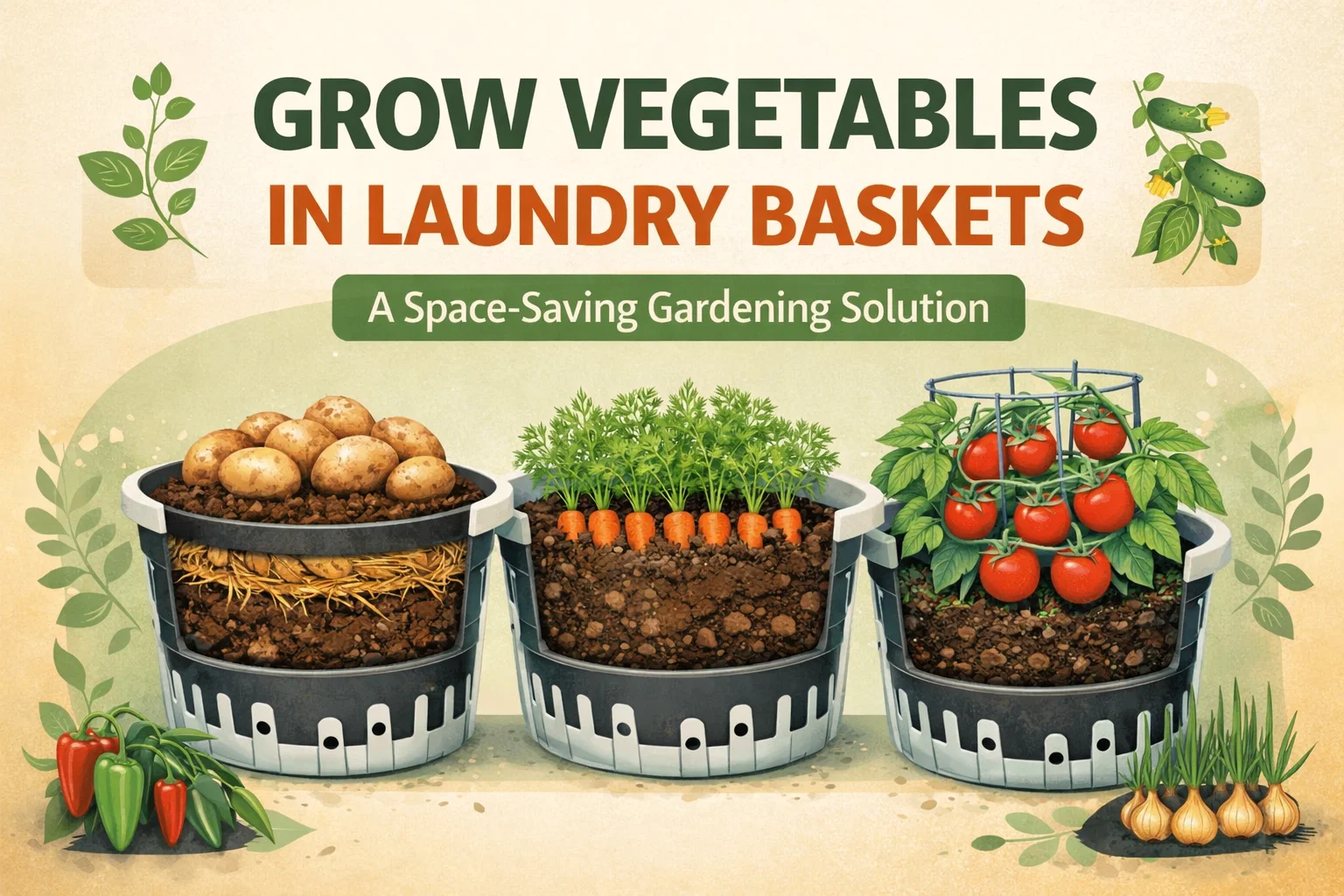
Potatoes are perhaps the most famous crop for laundry basket gardening. Normally, growing potatoes requires a lot of space for hilling, which is the process of piling soil around the stems as they grow to encourage more tubers to form. In a laundry basket, this process is simplified. Start by placing about 4 inches of soil at the bottom of the lined basket. Place your seed potatoes on top and cover them with another 3 inches of soil. As the green leafy stems grow upward, continue to add more soil or a mix of straw and compost until you reach the top of the basket.
When harvest time comes, you don’t need a shovel or a pitchfork. One of the best parts of this method is the easy harvest. You simply tip the basket over onto a tarp or into a wheelbarrow and sift through the loose soil to find your potatoes. There is no risk of slicing into a potato with a spade, and the soil is already contained, making cleanup a breeze. This is a perfect project for families with children who want to see the magic of food growing underground.
Crisp Carrots and Sweet Onions
Root vegetables like carrots and onions thrive in the loose, well-drained environment of a container. Carrots specifically need soil that is free of rocks and debris so they can grow straight and long. By using a laundry basket filled with sifted potting mix, you eliminate the obstacles that cause carrots to fork or stunt. Because the baskets are wide, you can intensive-plant your seeds, spacing them only about two inches apart to get a massive harvest from a single basket.
Onions are also excellent candidates for this method. Whether you are growing green onions for salads or large bulbs for storage, the aeration provided by the basket walls helps prevent the fungal issues that often plague onions in damp ground soil. Since onions have relatively shallow roots, you can even plant them around the edges of a basket containing a taller plant like a pepper to maximize your space even further. Just be sure to keep the soil consistently moist, as containers tend to dry out faster than the ground.
Vining Crops: Cucumbers and Tomatoes
If you think you need a massive garden plot for cucumbers and tomatoes, think again. These vining plants do exceptionally well in laundry baskets as long as you provide them with vertical support. For cucumbers, you can insert a small trellis or a piece of cattle panel directly into the basket soil. The vines will naturally climb upward, keeping the fruit off the ground and away from pests. This also makes harvesting much easier, as the cucumbers will hang down at eye level.
Tomatoes, especially determinate or bush varieties, are perfect for this setup. A standard tomato cage fits perfectly inside most round laundry baskets. The large volume of soil in a basket provides enough nutrients to support a heavy-feeding tomato plant. If you are growing indeterminate varieties that get very tall, you might want to secure the basket to a railing or a post to prevent it from tipping over during a summer storm. The constant airflow around the base of the tomato plant also helps prevent common diseases like early blight, which thrives in humid, stagnant conditions.
Best Tips for Success with Container Tomatoes
- Consistent Watering: Tomatoes are prone to blossom end rot if the soil moisture fluctuates too much. Use a mulch of straw on top of the soil to keep moisture in.
- Feeding: Because you are watering frequently, nutrients will leach out of the soil over time. Use an organic liquid fertilizer every two weeks to keep your plants productive.
- Sunlight: Ensure your baskets are placed in a spot that receives at least 6 to 8 hours of direct sunlight per day.
Peppers and Heat-Loving Veggies
Peppers, whether sweet bell peppers or spicy habaneros, love the warm soil that containers provide. In the ground, soil takes a long time to warm up in the spring, which can delay the growth of peppers. In a laundry basket, the soil warms up quickly, giving your peppers a head start on the season. Since peppers are generally more compact than tomato plants, you can often fit two plants in a large rectangular laundry basket.
The drainage of the basket is particularly important for peppers, as they hate having “wet feet.” If the soil stays too soggy, the leaves will turn yellow and the plant will stop producing. The perforated sides of the laundry basket ensure that the roots stay oxygenated and the moisture levels remain balanced. If you live in an area with a shorter growing season, the portability of the basket allows you to bring your pepper plants indoors at night during the early spring or late fall to extend your harvest by several weeks.
Maintenance and Seasonal Care
Maintaining a laundry basket garden is generally easier than maintaining a traditional garden, but it does require a different approach to watering. Because the baskets are designed for airflow, the soil will dry out faster than it would in the ground or in a solid ceramic pot. During the peak of summer, you may need to water your baskets every morning. To check if they need water, stick your finger two inches into the soil. If it feels dry, it is time to give them a soak.
Weeding is almost non-existent in this setup, as you are starting with clean potting mix. This saves you hours of back-breaking work throughout the summer. However, you should keep an eye out for pests like aphids or tomato hornworms. Because the garden is elevated and compact, it is much easier to spot these intruders early and deal with them before they cause significant damage. A simple spray of neem oil or soapy water is usually enough to keep your basket garden pest-free.
Wrap-Up: Harvesting Your Success
Starting a garden doesn’t have to be an expensive or complicated endeavor. By repurposing simple household items like laundry baskets, you can create a productive, beautiful, and mobile vegetable garden that fits into any lifestyle. Whether you are harvesting a fresh batch of potatoes, pulling crisp carrots for a snack, or picking sun-ripened tomatoes for your dinner salad, the satisfaction of growing your own food is incomparable. This method is a testament to the fact that with a little creativity and the right preparation, anyone can become a successful gardener regardless of their budget or backyard size. So, grab a few baskets, some high-quality soil, and your favorite seeds. You are just a few weeks away from a bountiful harvest that you grew all by yourself. Happy gardening!