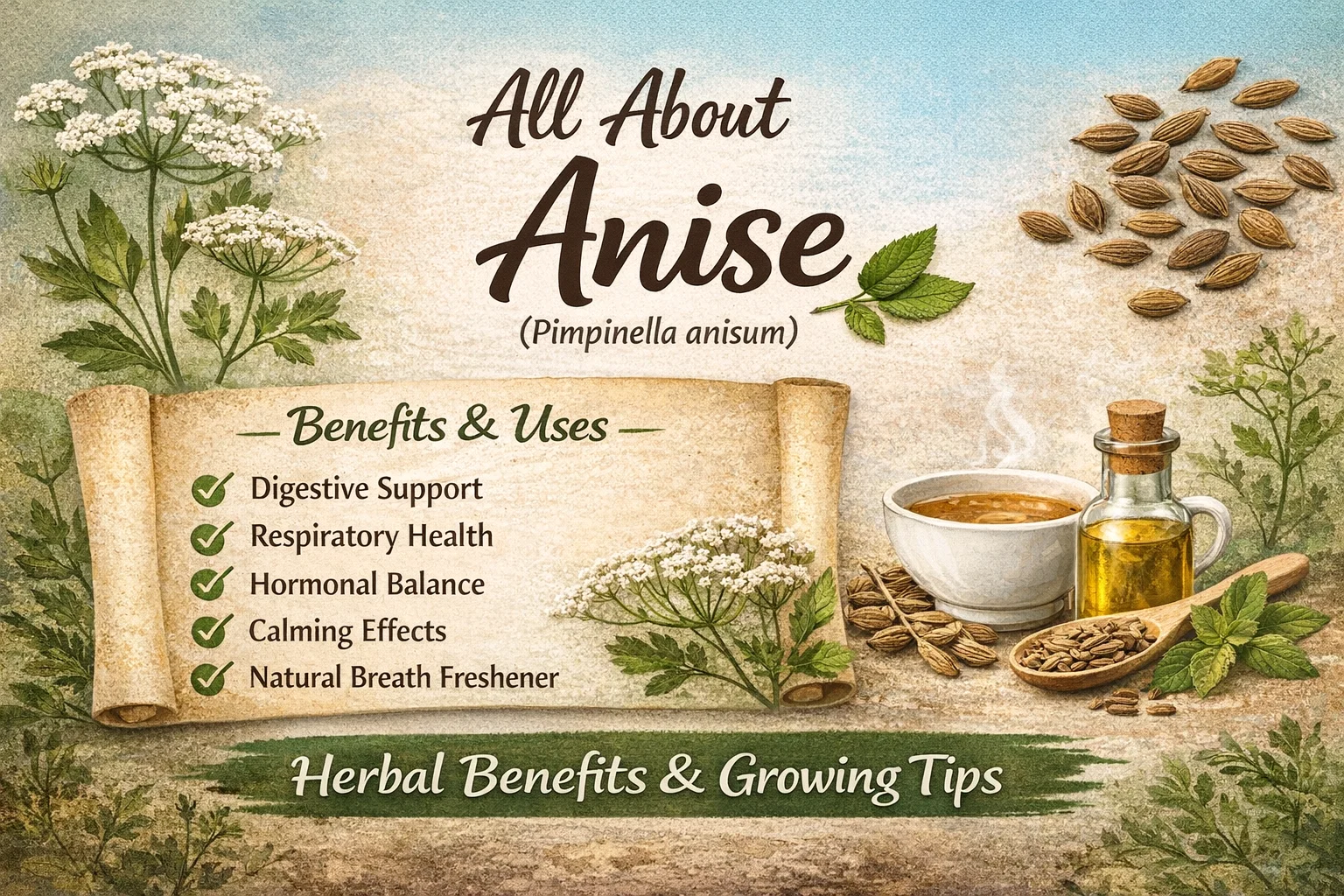
Anise Herb Guide Growing Tips, Health Benefits Natural Remedies for Wellness
Anise, known scientifically as Pimpinella anisum, is far more than just a distinctive flavor in your favorite biscotti or a star player in traditional spirits. This delicate, feathery plant from the carrot family has been a cornerstone of both culinary arts and herbal medicine for thousands of years. From the sun-drenched fields of Ancient Egypt to the sophisticated spice cabinets of modern kitchens, anise has maintained its reputation as a “triple threat” herb: it is easy to grow, delicious to eat, and remarkably supportive of our physical well-being. If you have ever been curious about how to integrate this ancient botanical into your modern lifestyle, you have come to the right place. In this guide, we will explore the rich history, simple cultivation techniques, and powerful health benefits of this sweet, licorice-flavored treasure.
The Fascinating History of Anise
To truly appreciate anise, we have to look back at where it all began. This herb is one of the oldest known spice plants in the world. Historical records show that the Egyptians were among the first to cultivate it, using it not only for food but also as a medicinal remedy and even as an ingredient in the mummification process. It was so highly valued in the ancient world that it was often used as a form of currency for paying taxes in certain regions.
The Greeks and Romans were also huge fans of the herb. Pythagoras, the famous mathematician, was said to have praised anise for its ability to prevent “falling sickness,” while Pliny the Elder recommended it for freshening the breath and helping people sleep. By the Middle Ages, anise had spread across Europe, becoming a staple in herbal gardens. Its enduring popularity is a testament to its effectiveness and its uniquely comforting aroma.
Identifying Anise: A Botanical Overview
Before you start planting, it is important to know exactly what you are looking for. Anise is an annual plant that typically grows to about two feet tall. It features beautiful, lace-like white flowers that bloom in umbrella-shaped clusters called umbels. These flowers eventually give way to the small, ribbed, brownish-green seeds that we recognize as the spice “aniseed.”
It is often confused with star anise, but they are actually very different plants. While they share a similar chemical compound called anethole which gives them that signature licorice scent, true anise is a small herb related to carrots and parsley, while star anise comes from a woody evergreen tree native to Asia. For the home gardener, true anise (Pimpinella anisum) is the variety you will likely want to focus on for its ease of growth and delicate flavor profile.
How to Grow Anise in Your Home Garden
The good news for aspiring green thumbs is that anise is relatively low-maintenance once it gets established. Because it has a long taproot, it does not like to be moved, so it is best to skip the transplanting and sow your seeds directly into your garden beds. Here is a step-by-step breakdown of how to get your anise patch thriving.
Finding the Perfect Spot
Anise is a sun-lover. To get the best growth and the most fragrant seeds, you need to provide it with at least six to eight hours of direct sunlight every day. It also prefers well-drained soil that is rich in organic matter. If your soil is heavy clay, consider adding some compost or planting in raised beds to ensure the roots do not get waterlogged.
Sowing and Spacing
Wait until the danger of frost has completely passed before planting. Anise needs a fairly long growing season (about 120 days) to produce seeds, so get them in the ground as soon as the soil warms up. Sow the seeds about half an inch deep and space them roughly twelve inches apart. If you are planting in rows, keep the rows about eighteen inches apart to allow for good air circulation.
Watering and Maintenance
Keep the soil consistently moist but not soggy while the seeds are germinating. Once the plants are established, they are somewhat drought-tolerant, but they will still appreciate regular watering during dry spells. You generally do not need much fertilizer if your soil is healthy, but a light mulch can help retain moisture and keep weeds at bay. Because the stalks are quite slender, you might find that taller plants need a little bit of staking if your area is particularly windy.
Harvesting Your Homegrown Anise
Harvesting anise is a lesson in patience. You are waiting for the seeds to develop and mature on the plant. You will know they are ready when the seeds turn from green to a grayish-brown color and the flower heads begin to dry out. This usually happens in late summer or early autumn.
To harvest, cut the entire flower head (the umbel) and place it upside down in a paper bag. Hang the bag in a warm, dry, well-ventilated area. As the heads continue to dry, the seeds will naturally fall to the bottom of the bag. Once they are completely dry, store them in an airtight glass jar in a cool, dark place. They will keep their potency for up to a year, providing you with fresh flavor all through the winter months.
The Impressive Health Benefits of Anise
In the world of herbalism, anise is celebrated for its wide range of therapeutic properties. It is a gentle yet effective herb that can be used to support various bodily systems. Here are some of the most common reasons people turn to anise for wellness.
- Digestive Support: This is perhaps the most famous use for anise. It acts as a carminative, which means it helps to relieve gas, bloating, and indigestion. A warm cup of anise tea after a heavy meal can work wonders for an upset stomach.
- Respiratory Aid: Anise has expectorant properties, making it a great addition to herbal blends for coughs and congestion. It helps to loosen mucus and soothe the respiratory tract.
- Hormonal Balance: Some herbalists use anise to help balance hormones, particularly for easing menstrual discomfort or supporting lactation in nursing mothers. However, because it can mimic estrogen, it is important to use it mindfully.
- Calming Effects: The aroma and flavor of anise have a naturally grounding and calming effect on the nervous system. It is a wonderful ingredient for evening tea blends designed to help you unwind before bed.
- Natural Breath Freshener: Chewing on a few anise seeds after a meal is an ancient trick for neutralizing bad breath and promoting oral hygiene.
Creative Ways to Use Anise Every Day
Now that you know how to grow it and why it is good for you, let’s talk about how to actually use it! Anise is incredibly versatile in the kitchen and the apothecary. Here are a few simple ways to incorporate it into your routine.
Soothing Anise Tea
This is the easiest way to enjoy the benefits of anise. Simply crush one teaspoon of anise seeds and steep them in a cup of boiling water for about ten minutes. You can drink it plain or add a little bit of honey and lemon. It is a comforting ritual that helps settle the spirit and the stomach simultaneously.
Culinary Spice
Don’t limit anise to just sweets! While it is iconic in breads, cakes, and cookies, it also pairs beautifully with savory dishes. Try adding ground anise to roasted root vegetables, stews, or even as a rub for meats. It adds a subtle, exotic depth that keeps people guessing about your “secret ingredient.”
Homemade Anise Oil
You can create an infused oil by placing crushed anise seeds in a carrier oil like olive or almond oil. Let it sit in a cool, dark place for several weeks, shaking it occasionally. This oil can be used for culinary purposes or even as a topical rub for soothing sore muscles or chest congestion.
Herbal Blends
Anise plays well with other herbs. Try blending it with chamomile for a sleep-time tea, or with ginger and peppermint for a powerful digestive tonic. In the kitchen, it pairs perfectly with cinnamon and cloves for classic autumnal flavors.
A Quick Note on Safety
While anise is generally considered safe for most people when consumed in food amounts, there are a few things to keep in mind. If you are pregnant or nursing, it is always best to consult with a qualified herbalist or healthcare provider before using medicinal amounts of anise. Additionally, because it can interact with estrogen, those with hormone-sensitive conditions should use it with caution. Always listen to your body and start with small amounts to see how you react.
Conclusion: Embracing the Magic of Anise
Anise is a perfect example of how nature provides us with everything we need to stay healthy and inspired. It is a plant that appeals to all the senses: its delicate flowers are a joy to look at, its scent is instantly recognizable and soothing, and its flavor adds a unique spark to our favorite recipes. By bringing anise into your garden and your home, you are connecting with a tradition of wellness that spans millennia.
Whether you are a seasoned gardener looking for a new addition to your herb bed or someone just starting their journey into natural remedies, anise is a rewarding and beautiful companion. It reminds us that sometimes the most effective solutions are the simplest ones: a seed, some sunshine, and a little bit of patience. So, the next time you are looking for a way to support your digestion or simply want to bake something extraordinary, reach for the anise. Your body and your taste buds will thank you.