How to Use Trap Cropping for Pest Control The Sacrificial Shield Gardening Guide
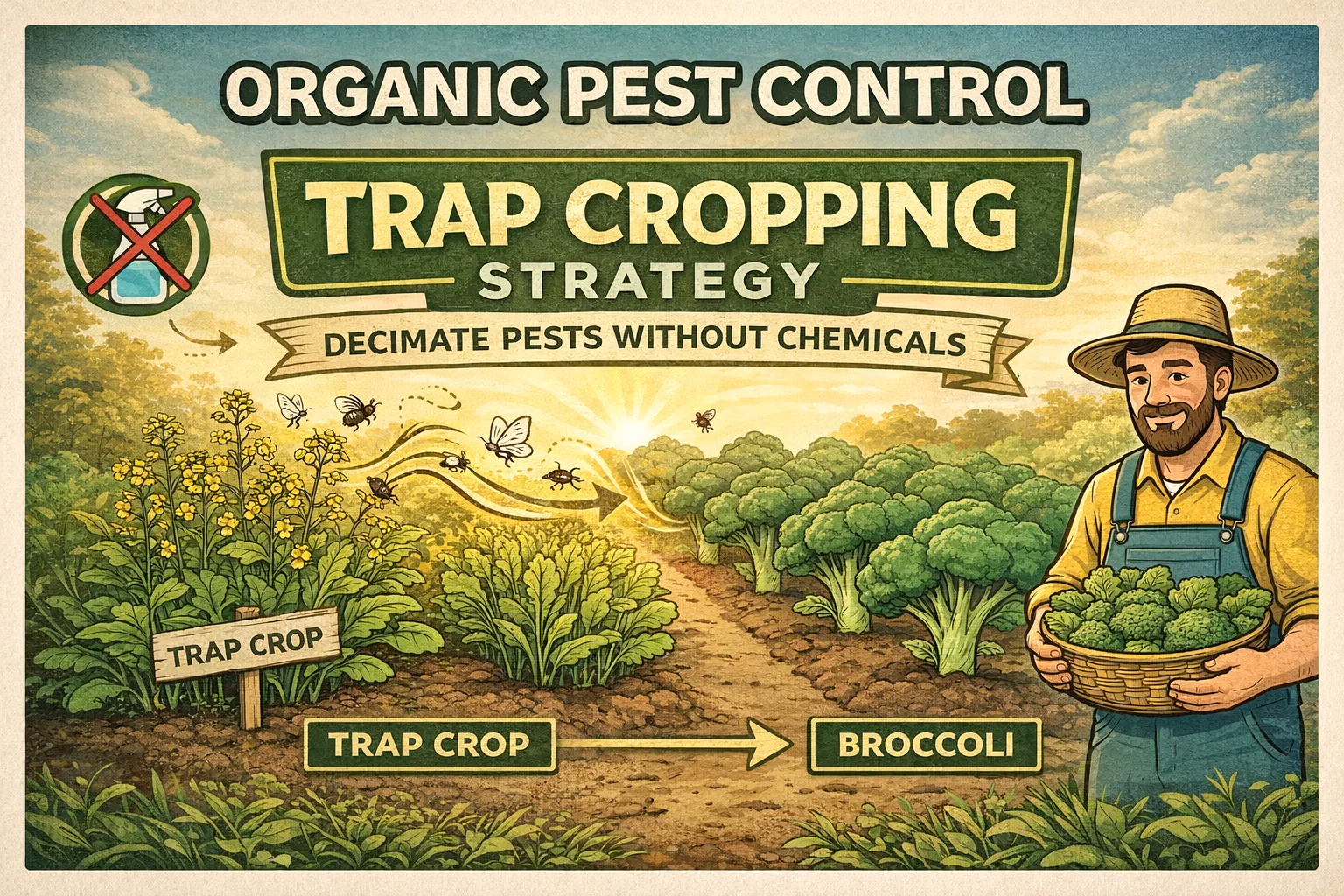
Imagine standing in your garden, looking at a row of vibrant, green broccoli, only to realize that every single leaf is riddled with tiny holes. It is a heartbreaking moment for any gardener who has spent weeks nurturing their crops. Traditionally, the immediate reaction is to reach for a bottle of chemical spray, but there is a more elegant, biological solution that feels like a masterstroke of strategy. This method is known as the Sacrificial Shield, a form of trap cropping that uses nature’s own preferences to protect your most prized vegetables. Instead of declaring war on every insect that enters your backyard, you are simply inviting them to a different party, one held on a plant you have grown specifically for them to eat.
Understanding the Philosophy of the Sacrificial Shield
The concept of the Sacrificial Shield is built on the idea of biological deception. In a standard monoculture, where you plant row after row of the same crop, you are essentially creating a massive, concentrated scent plume that acts as a lighthouse for pests. Cabbage white butterflies and flea beetles are highly specialized; they track specific scents, specifically the mustard oils found in brassicas. When you plant only broccoli, the entire garden smells like a feast to these insects. They find your “Queen” crop instantly and settle in for a long stay.
By introducing a “Pawn” or a trap crop, you change the olfactory landscape of your garden. You are choosing a plant that is louder and tastier to the pests than your main crop. In this scenario, mustard acts as the perfect shield. It produces those attractive oils in higher concentrations, drawing the pests away from the broccoli and onto the mustard leaves. This isn’t just gardening; it is a tactical defensive maneuver that saves your harvest without a single drop of pesticide.
The Science of Trap Cropping
To truly appreciate the Sacrificial Shield, we have to look at the scientific reality of how insects interact with their environment. Most garden pests do not have great eyesight; they rely on sophisticated chemical receptors to find food. When a flea beetle is looking for a meal, it is following a trail of volatile organic compounds through the air.
Mustard is the ultimate decoy because it is chemically “noisier” than broccoli. To an insect, a patch of mustard is like a neon sign flashing “All You Can Eat,” while the broccoli nearby is a much more subtle scent. By the time the pests realize the broccoli is there, they are already happily settled on the mustard. This is the essence of the shield: you provide a concentrated area of high-value food to keep the rest of your garden safe.
The Role of Mustard as a Biological Bodyguard
Mustard is uniquely suited for this role because it grows rapidly and is incredibly resilient. It can take the hits from hundreds of flea beetles and still keep growing. Furthermore, if you let the mustard go to flower later in the season, it serves a dual purpose. Those bright yellow flowers are a magnet for pollinators and beneficial predatory insects. These predators, like hoverflies and ladybugs, will help manage the pest population naturally, creating a self-sustaining ecosystem right in your vegetable patch.
Implementing the 4×4 Protocol
Success with the Sacrificial Shield requires more than just throwing a few seeds in the ground. You need a plan, and that is where the 4×4 Protocol comes in. This practical action involves creating a specific “island” of trap crops that lures pests into a dead end rather than acting as a bridge to your main vegetables.
Planting Thick and Early
The most important rule of trap cropping is timing. If your broccoli and your mustard emerge at the same time, the pests might still find their way to both. To prevent this, you must sow your mustard early. In many climates, this means sowing in late winter, around February, so that the plants are well-established by the time the first spring pests emerge. You want that “scent plume” to be fully active before your sensitive crops even hit the soil.
When you plant, do it thickly. You aren’t looking for perfectly spaced rows here. You want to create a 4×4 foot jungle of mustard. This dense growth ensures there is plenty of surface area for the pests to occupy. Using the “zhuzh” method, simply scatter the seeds over the surface and lightly mix them into the top layer of soil. This creates a lush, attractive habitat that no cabbage white butterfly can resist.
Creating an Island, Not a Bridge
Placement is key to the Sacrificial Shield. If you plant your trap crop right next to your broccoli, you might accidentally lead the pests from one to the other. Instead, think of your trap crop as an island. Place it a short distance away from your main garden beds. This forces the insects to make a choice. As they fly or crawl toward the scent of brassicas, they will hit the “louder” mustard island first and stop there, never making it across the gap to your “Queen” broccoli.
The Double Harvest Benefit
One of the most rewarding aspects of this method is that it is not a waste of space. While the mustard is acting as a shield, it is also a viable crop for you. This leads to what gardeners call the Double Harvest.
Phase 1: Eating the Shield
Early in the spring, before the pest pressure reaches its peak, you can actually harvest the young mustard greens for yourself. They make a fantastic, spicy addition to salads and stir-fries. As long as you leave enough of the plant to continue growing and attracting pests, you can enjoy a harvest from your “Pawn” while your “Queen” is still maturing. It is a highly efficient way to use your garden space.
Phase 2: The Pollinator Boost
As the season progresses and you stop harvesting the mustard for food, let the plants bolt and go to flower. This is the second harvest, though not one you eat. The flowers provide vital nectar for bees and other beneficial insects. By the time your broccoli is ready for harvest, your garden will be a thriving hub of biodiversity. The mustard has taken the hits, fed your family, and supported the local bee population. That is a verdict any gardener can get behind.
Critical Warnings for Success
While the Sacrificial Shield is a powerful tool, there are a few mistakes that can undermine its effectiveness. To ensure your garden stays healthy, keep these critical warnings in mind.
The Danger of Insecticides
It can be tempting to see a trap crop covered in bugs and want to spray it. You must resist this urge. The trap crop is supposed to be a safe haven for those insects. If you spray the mustard with insecticides, you are also killing the very beneficial predators and pollinators you are trying to attract. Furthermore, many chemical sprays have a residual effect that can repel the pests you are trying to lure, potentially driving them back toward your broccoli. Let the trap crop do its job naturally.
The Importance of Timing
If you wait until you see the first butterfly to plant your shield, it is already too late. The Sacrificial Shield is a preventative strategy, not a curative one. The “Sow Now” mentality in late winter is what makes the system work. By having a 4×4 foot jungle of mustard ready to go in early spring, you are setting up your defenses before the “war” even begins. Consistency and foresight are your best allies in organic gardening.
Building a Sustainable Garden Ecosystem
Adopting the Sacrificial Shield method is a step toward a more sustainable and holistic way of gardening. It acknowledges that insects are a natural part of the environment and that we can manage them through understanding their biology rather than trying to eradicate them. This approach reduces the chemical load on your soil, keeps your food cleaner, and protects the delicate balance of your local ecosystem.
When we move away from monocultures and toward diverse, strategically planted gardens, we create resilience. A garden that includes trap crops, companion plants, and pollinator havens is much less likely to suffer from devastating pest outbreaks. It becomes a self-regulating system where nature does most of the heavy lifting for you.
Conclusion: Long Live the Queen
The Sacrificial Shield is more than just a gardening tip; it is a shift in perspective. By viewing our garden as a strategic battlefield where we can use biological deception to our advantage, we become smarter, more effective stewards of the land. Planting a “Pawn” to save the “Queen” is a timeless strategy that yields beautiful, healthy broccoli without the need for chemical warfare.
Next time you plan your spring garden, set aside that 4×4 foot space for your mustard island. Sow early, sow thick, and watch as your “biological bodyguard” takes the hits while your main crops flourish. You will enjoy a double harvest, a busier bee population, and the peace of mind that comes with a truly organic garden. It is time to let the mustard take the lead and keep your “Queen” broccoli safe for the harvest table. Happy planting!