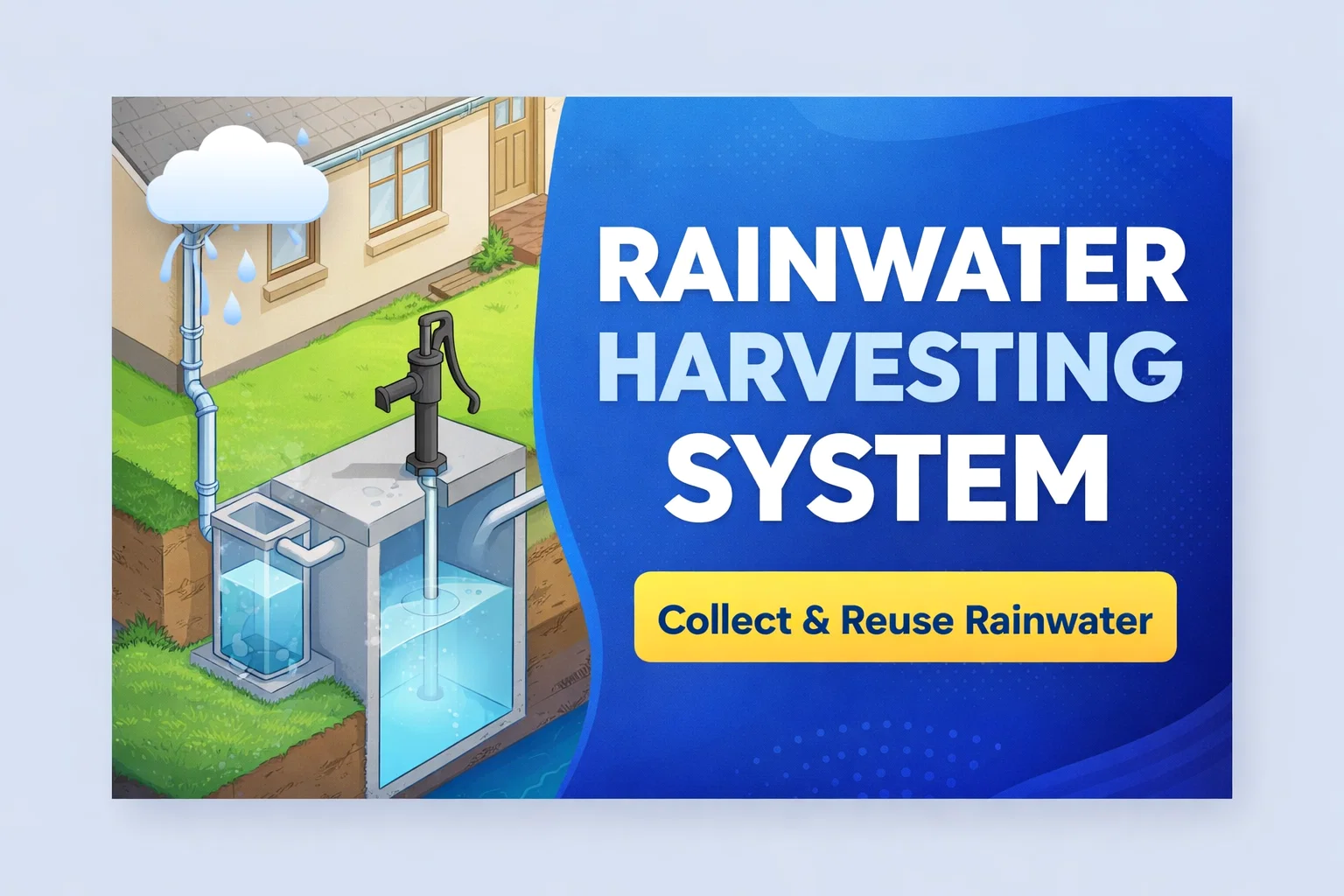
Sustainable DIY Rainwater Harvesting System Underground Cistern Manual Hand Pump Setup
Embracing a sustainable lifestyle often starts with the most fundamental element of life: water. As more homeowners and gardeners look for ways to reduce their environmental footprint and gain independence from municipal utilities, rainwater harvesting has emerged as a premier solution. The concept is simple yet transformative, allowing you to capture the abundance of nature and store it for a rainy day, quite literally. By implementing a professional grade collection system, you can turn your backyard into a self-sufficient oasis that thrives even during the driest months of the year.
The Anatomy of an Effective Rainwater Collection System
To truly understand how to harness the power of a storm, we must look at the mechanics of a high quality harvesting setup. It is not just about placing a barrel under a downspout. A sophisticated system, like the one shown in our diagram, involves a series of strategic components designed to ensure the water you store is clean, accessible, and safe for your landscape. The journey begins at the roof, where gravity pulls water into the gutters and down toward a specialized filtration unit.
The Critical Role of the Foul Flush Reservoir
One of the most overlooked aspects of DIY water collection is the initial runoff. When it starts to rain, the first few gallons of water washing off your roof often contain dust, bird droppings, and leaf debris. This is known as the foul flush. A well designed system includes a screen inlet and a foul flush reservoir. This component acts as a gatekeeper, capturing the initial dirty water and allowing it to settle or be drained away through a dedicated tap. Once the reservoir is full, the cleaner, subsequent rainfall is diverted into your main storage tank. This simple mechanism drastically improves the quality of your stored water and prevents sludge buildup in your cistern.
Underground Storage: The Concrete Cistern Advantage
While above ground rain barrels are popular for beginners, an underground concrete cistern is the gold standard for serious homesteaders and gardeners. Placing your storage tank below the frost line offers several distinct advantages. First, it regulates the temperature of the water, keeping it cool and preventing the rapid growth of algae that typically occurs in sunlit, plastic containers. Second, it saves valuable surface space in your yard, maintaining a clean and uncluttered aesthetic. Finally, the structural integrity of concrete ensures that your reservoir can hold thousands of gallons securely for decades to come.
Sustainable Gardening with a Manual Hand Pump
In an era of high tech gadgets, there is something profoundly satisfying about the reliability of a manual hand pump. By installing a traditional cast iron pump atop your cistern, you create a point of access that requires zero electricity. This is a cornerstone of off grid living and emergency preparedness. Whether you are watering a small vegetable patch or a sprawling flower bed, the hand pump provides a physical connection to your resources and ensures that you always have access to your water, even during power outages.
Benefits of Using Harvested Rainwater for Plants
Your garden will likely prefer rainwater over the treated water coming from your kitchen sink. Municipal water is often treated with chlorine, fluorides, and other chemicals that, while safe for human consumption, can sometimes stress sensitive plant species. Rainwater is naturally soft, free of these additives, and often carries traces of organic matter that can act as a mild fertilizer. By using a harvesting system, you are giving your plants the purest form of hydration possible, leading to healthier root systems and more vibrant blooms.
Practical Installation Tips for Homeowners
If you are inspired to build your own system, planning is the most important step. You need to calculate your roof area to understand how much water you can realistically collect. A general rule of thumb is that one inch of rain on a 1,000 square foot roof can yield over 600 gallons of water. This potential volume means you need to ensure your overflow outlet is properly positioned. As seen in the diagram, an overflow pipe should lead water away from your home’s foundation and toward a permeable area like a rain garden or a gravel pit to prevent localized flooding.
Maintaining Your System for Longevity
To keep your water harvesting system running at peak performance, a small amount of regular maintenance goes a long way. Always keep your gutters clear of leaves and debris to prevent clogs before the water even reaches the filter. Periodically check the screen inlet on your foul flush reservoir to remove any trapped twigs or sediment. It is also wise to drain the foul flush tank after heavy storms to ensure it is ready for the next rainfall. These simple habits will protect your pump and keep your stored water clear and odor free.
Integrating Water Conservation into Your Lifestyle
Beyond the practical benefits of gardening and utility savings, harvesting rainwater is a powerful statement of environmental stewardship. Every gallon you collect is a gallon that doesn’t have to be pumped, treated, and transported by a municipal system, which reduces the overall energy demand of your community. It also helps manage stormwater runoff, which can carry pollutants into local waterways and cause erosion in urban environments.
Expanding Your System Over Time
Many people start small with a single downspout and eventually expand to include multiple collection points around their property. You can link cisterns together or even integrate the stored water into a drip irrigation system for a semi automated gardening experience. The beauty of the system shown today is its scalability. Once you have the foundation of a filtered inlet and a solid storage tank, the possibilities for customization are endless.
The Economic Value of Self Sufficiency
While there is an initial investment in materials like the concrete cistern, piping, and the hand pump, the long term savings are significant. As water rates continue to rise in many regions, having your own private “well” of rainwater can cut your outdoor water bills to nearly zero. Additionally, features like these can increase the resale value of a home, especially among buyers who prioritize green living and sustainable infrastructure.
Building Community Awareness
When neighbors see a beautiful manual hand pump in your yard, it often sparks a conversation about conservation. Sharing the success of your harvesting system can encourage others in your neighborhood to adopt similar practices. Collective action at the neighborhood level can significantly improve local water tables and promote a culture of sustainability that benefits everyone.
Conclusion: A Greener Future Starts with a Single Drop
Setting up a rainwater harvesting system is more than just a DIY project; it is a commitment to a more resilient and thoughtful way of living. By capturing the rain that falls on your roof, you are participating in a natural cycle that has sustained life for eons. The combination of modern filtration techniques and the timeless reliability of a manual pump creates a system that is both effective and inspiring.
Whether you are motivated by the desire to save money, the need for off grid security, or simply a love for organic gardening, a professional collection setup is a rewarding addition to any home. Start planning your layout today, consider the benefits of an underground cistern, and prepare to watch your garden flourish like never before. The next time the clouds roll in, you won’t just see a storm; you will see a bounty of resources waiting to be gathered.