DIY Powder Laundry Soap Recipe Natural Homemade Laundry Detergent for Clean Clothes
Finding ways to simplify our homes while reducing our exposure to harsh chemicals is a journey many of us are on right now. One of the most impactful places to start is the laundry room. We often do not think about the residues left behind by commercial detergents, but those synthetic fragrances and surfactants sit against our skin all day long. Switching to a DIY powder laundry soap is one of the easiest, most cost-effective ways to embrace a more natural lifestyle. It is surprisingly simple to make, requires only a few basic ingredients, and works remarkably well to keep your clothes fresh and clean.
The Benefits of Making Your Own Laundry Soap
There are several reasons why DIY laundry soap has become a staple in many households. First and foremost is the transparency of ingredients. When you mix the batch yourself, you know exactly what is going into your washing machine. Most commercial detergents contain a long list of chemicals that can be irritating to sensitive skin or harmful to the environment. By using mineral-based cleaners like baking soda and washing soda, you are choosing a path that is gentler for your family and the planet.
Another major factor is the cost. If you look at the price per load, homemade laundry powder wins every single time. Most of the ingredients can be bought in bulk for a fraction of the cost of a high-end natural detergent brand. Plus, because this formula is concentrated, you only need a tablespoon or two for a standard load of laundry. Over the course of a year, the savings really add up, especially for families who find themselves running the washing machine every single day.
Is Homemade Laundry Soap Safe for Your Machine?
A common question that arises is whether these DIY mixtures are safe for modern high-efficiency (HE) washing machines. The good news is that this powder formula is low-sudsing. Commercial detergents often include foaming agents that create a lot of bubbles, but bubbles do not actually equate to cleaning power. In fact, too many suds can be hard on HE machines. This mineral-based powder dissolves well and rinses away cleanly, making it a great option for almost any type of washer as long as you do not over-use it.
Breaking Down the Ingredients
The beauty of this recipe lies in its simplicity. You do not need a chemistry degree to understand what these components do. Each ingredient plays a specific role in lifting stains, softening water, and deodorizing fabrics. Let us take a closer look at what you will need to get started.
Baking Soda and Washing Soda
Baking soda is a powerhouse when it comes to neutralizing odors. It helps to balance the pH level of the water, which allows the other cleaning agents to work more effectively. Washing soda, which is also known as sodium carbonate, is a bit more heavy-duty. It acts as a water softener, which is essential if you have hard water. It helps to “lift” dirt out of the fibers of your clothes so that it can be washed away easily.
Epsom Salt and Sea Salt
While we often associate Epsom salt with relaxing baths, it actually serves a purpose in the laundry room too. It can help reduce static and act as a natural fabric softener. Sea salt works in a similar way, providing a bit of mechanical “scrubbing” action in the water and helping to prevent colors from fading over time. Together, these salts ensure your clothes come out of the dryer feeling soft rather than stiff.
Optional Boosters and Essential Oils
If you have particularly tough stains or very greasy clothes, you can choose to include borax in your mixture. Borax is a naturally occurring mineral that is excellent for brightening whites. To give your laundry a signature scent without using synthetic perfumes, essential oils are the way to go. Lemon, lavender, and eucalyptus are popular choices because they have natural antibacterial properties and leave behind a very light, clean aroma that is not overwhelming.
Step-by-Step Instructions to Mix Your Batch
Preparing this laundry soap takes less than ten minutes. You will want to find a large mixing bowl and a sturdy whisk or spoon to ensure everything is combined thoroughly. Since you are working with fine powders, it is a good idea to mix slowly to avoid creating a dust cloud in your kitchen.
- Measure Your Bases: Start by adding 1.5 cups of baking soda and 1.5 cups of washing soda (or borax) to your bowl.
- Add the Salts: Pour in 0.5 cup of Epsom salt and 0.25 cup of sea salt.
- Incorporate Scents: If you are using essential oils, add 20 to 25 drops directly onto the powder. Lavender and peppermint is a wonderful combination for bedding, while citrus oils are great for everyday wear.
- Mix Thoroughly: Use your whisk to break up any clumps. You want the essential oils to be evenly distributed so that the scent is consistent throughout the entire jar.
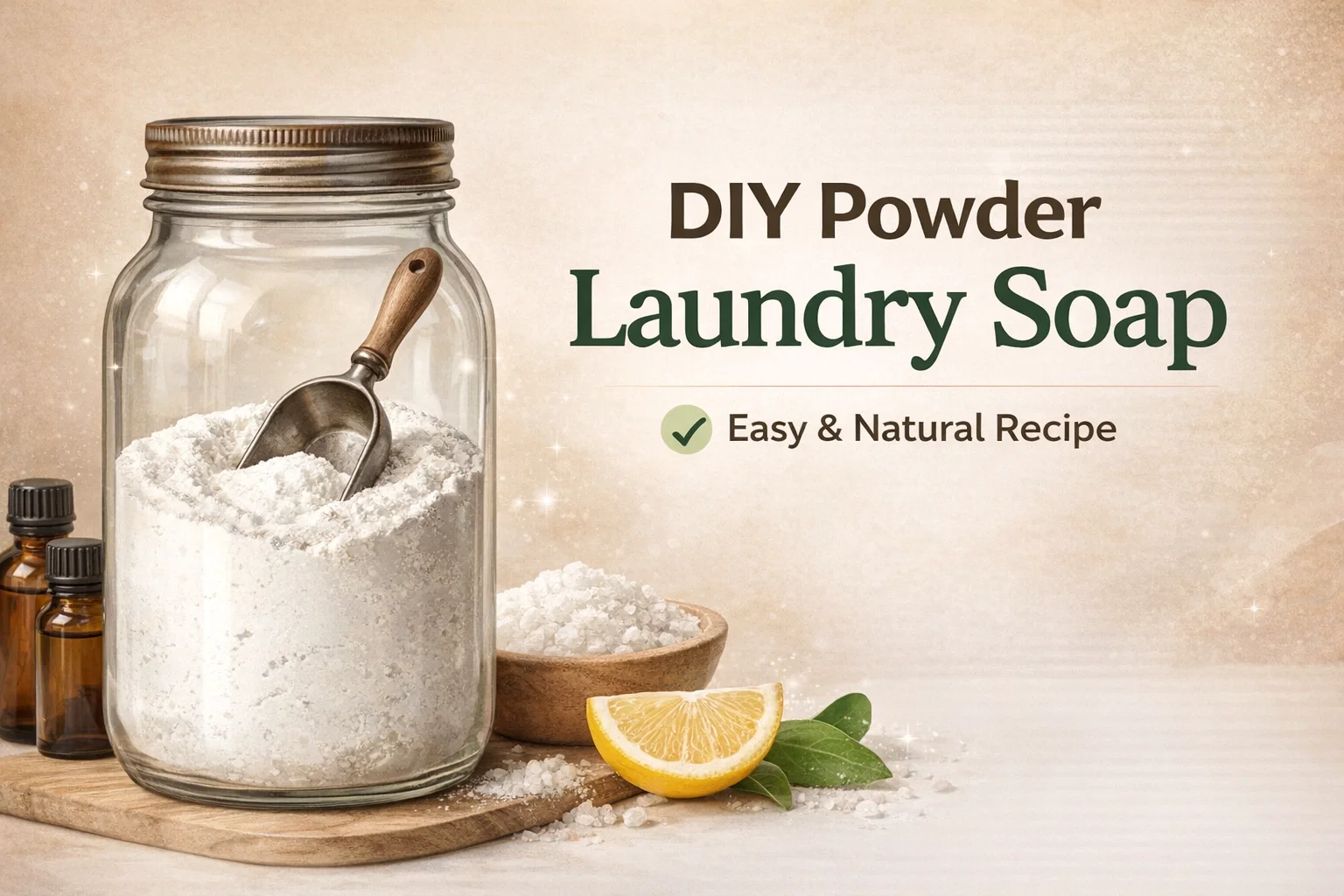
- Storage: Transfer the finished powder into a sealed glass container. A large mason jar works perfectly and looks beautiful sitting on your countertop.
How to Use Your DIY Powder Laundry Soap
Because this recipe does not contain the fillers found in store-bought detergents, a little bit goes a long way. For a standard load of laundry, 1 tablespoon is usually all you need. If you are washing a particularly large load, or if your clothes are heavily soiled from gardening or sports, you can increase this to 2 tablespoons.
For the best results, add the powder directly to the drum of your washing machine before adding your clothes. This ensures the powder has the best chance to dissolve fully as the water fills the machine. If you prefer to wash in cold water, you can dissolve the tablespoon of powder in a small cup of warm water first to ensure there is no residue left on your dark fabrics.
Tips for Treating Tough Stains
While this powder is great for general cleaning, some stains require a bit of extra attention. For grease or oil stains, try rubbing a bit of natural dish soap onto the spot before tossing it into the wash. For grass or blood stains, a quick soak in cool water with a little bit of the laundry powder can work wonders. Consistency is key, so try to treat stains as soon as they happen for the best chance of removal.
Transitioning to a Natural Laundry Routine
If you have been using conventional detergents for years, your clothes might actually have a buildup of chemicals and waxes. You might notice that for the first few washes with your DIY soap, the clothes feel a little different. This is normal as the natural ingredients strip away the old residue. To help this process along, you can add half a cup of white vinegar to the fabric softener dispenser of your machine. The vinegar acts as a natural rinse aid and helps to leave fabrics feeling incredibly soft without any vinegar smell once they are dry.
The Environmental Impact
By making your own soap, you are significantly reducing your household’s plastic waste. Instead of buying a large plastic jug every month, you are using ingredients that often come in cardboard boxes or can be bought in bulk. Additionally, because the ingredients are biodegradable, the gray water leaving your home is much safer for the environment. It is a small change that contributes to a much larger positive impact on our ecosystem.
Common Variations for Specialized Needs
Every household is different, and you might find that you want to tweak this recipe to suit your specific needs. If you have a baby in the house, you might want to leave out the essential oils entirely to ensure the most hypoallergenic experience possible. If you live in an area with extremely hard water, you might want to increase the ratio of washing soda to help combat the mineral buildup in your pipes and on your clothes.
For those who love a “bright white” look for their towels and sheets, consider adding a half cup of oxygen-based bleach powder (sodium percarbonate) to your master mix. This provides an extra punch of whitening power without the harshness of liquid chlorine bleach.
Why Glass Storage Matters
Storing your DIY laundry soap in a sealed glass container is not just about the aesthetic, although it does look lovely. Glass is non-reactive, meaning it will not leach chemicals into your soap, and it provides an airtight seal that keeps moisture out. If moisture gets into your powder, it can cause it to clump up and become difficult to scoop. A simple jar with a lid and a small wooden or metal scoop makes the whole process feel intentional and organized.
Creating a Beautiful Laundry Space
Part of the joy of DIY projects is the way they elevate your daily chores. When your laundry products are stored in beautiful jars with handwritten labels, the task of doing laundry feels less like a burden and more like a part of a curated, healthy lifestyle. It encourages you to take pride in the small details of your home management.
Conclusion
Embracing a DIY approach to laundry is a rewarding experience that benefits your health, your wallet, and the environment. This simple powder laundry soap proves that you do not need complex chemicals to achieve a deep clean. With just a few minutes of mixing, you can create a high-quality product that rivals any store-bought alternative. By taking control of the ingredients in your home, you are creating a safer space for yourself and your loved ones, one load of laundry at a time. Give this recipe a try and enjoy the fresh, natural results for yourself.