Christian Trinity Plan of Salvation Explained Biblical Guide to One God Three Persons
Understanding the foundational elements of faith can often feel like navigating a complex labyrinth of ancient texts and profound theological concepts. Yet, there is a beautiful simplicity waiting to be discovered when we look at the core of the Christian message through the lens of the Holy Trinity. The concept of one God existing in three distinct persons — the Father, the Son, and the Holy Spirit — is not just a dry doctrine to be memorized; it is the very heartbeat of a relationship with the Divine. By breaking down these roles and seeing how they harmonize to bring about salvation, we can find a deeper sense of peace, purpose, and connection in our daily walk of grace.
The Father: The Infinite Source of Salvation
Every great plan starts with a visionary, and in the story of humanity, that visionary is God the Father. Often described as the Source of Salvation, the Father is the one who planned our redemption from before the foundations of the world were even laid. This is not a reactive plan created in response to human failure, but a proactive outpouring of love that has existed from eternity. When we look at scriptures like Ephesians 1:4, we see a God who chose us and set a path for us long before we ever took our first breath.
The Sovereignty and Love of the Creator
The Father represents the ultimate authority and the guiding hand over all creation. In the context of the Trinity, He is the one who initiates the divine mission. His role is defined by a deep, paternal love that desires reconciliation with His children. By understanding the Father as the architect of our spiritual journey, we can rest in the assurance that our lives are not governed by random chance, but by a purposeful design that aims for our ultimate good and His ultimate glory.
The Son: God Made Flesh and the Ultimate Sacrifice
If the Father is the architect, then Jesus Christ, the Son, is the one who brought the plan into the physical realm. The incarnation — the moment God became flesh — changed the course of history forever. As John 1:14 beautifully notes, the Word became flesh and dwelt among us. This was not God looking down from a distance, but God stepping into our shoes, feeling our pain, and ultimately taking our place. The Son is the bridge between the divine and the human, the one who makes a relationship with the Father possible.
The Finished Work on the Cross
The central moment of the Son’s mission was His death and resurrection. By taking on the sins of the world, He accomplished what no human effort ever could. When He cried out on the cross that it was finished, He was signaling the completion of the payment for sin. This sacrifice is the cornerstone of the Christian faith. It is through His stripes that we are healed, and through His rising that we are given the hope of eternal life. Jesus is our Savior, our Brother, and our King, representing the tangible evidence of God’s mercy.
The Holy Spirit: God Within Us and the Power of Presence
While the Son walked the earth for a specific time, the Holy Spirit is the gift that remains with believers forever. Often described as the Counselor or the Comforter, the Holy Spirit is God’s presence dwelling within us. This is the application phase of salvation. As Titus 3:5 explains, it is the Spirit who renews and regenerates our hearts. The Spirit takes the work that Jesus finished and the plan the Father started and makes it a living reality in our everyday lives.
Guided by the Internal Seal
One of the most comforting aspects of the Holy Spirit is the idea of the Eternal Seal. Once we trust in Christ, the Spirit marks us as God’s own. This presence provides us with the strength to overcome temptation, the wisdom to understand scripture, and the peace that passes all understanding. The Spirit does not just stand beside us; He lives within us, transforming our character and producing fruit like love, joy, and patience. In a world that often feels chaotic, having the Spirit as an internal compass is an invaluable blessing.
The Trinity Made Simple: One God in Perfect Harmony
Trying to explain how three can be one is a challenge that has occupied theologians for centuries, but for the believer, it is a mystery to be celebrated rather than a puzzle to be solved. We serve one God, yet we experience Him in three unique ways. There is one Father, one Savior, and one Spirit, all working in perfect unity. This harmony is a model for our own lives and communities, showing us the power of diverse roles working toward a single, glorious purpose.
- One Sacrifice: The death of Christ was sufficient for all time.
- One Head: Christ is the leader of the church and our personal lives.
- One Eternal Seal: Our salvation is secure through the Spirit’s presence.
The Practicality of the Trinity in Worship
When we worship, we are engaging with the full Trinity. We pray to the Father, through the name of the Son, by the power of the Holy Spirit. This triune nature of God ensures that every aspect of our spiritual needs is met. We have a Father who hears us, a Savior who understands us, and a Spirit who empowers us. This isn’t just high level theology; it is the practical foundation for a vibrant and resilient faith.
How Salvation Works: A Unified Divine Effort
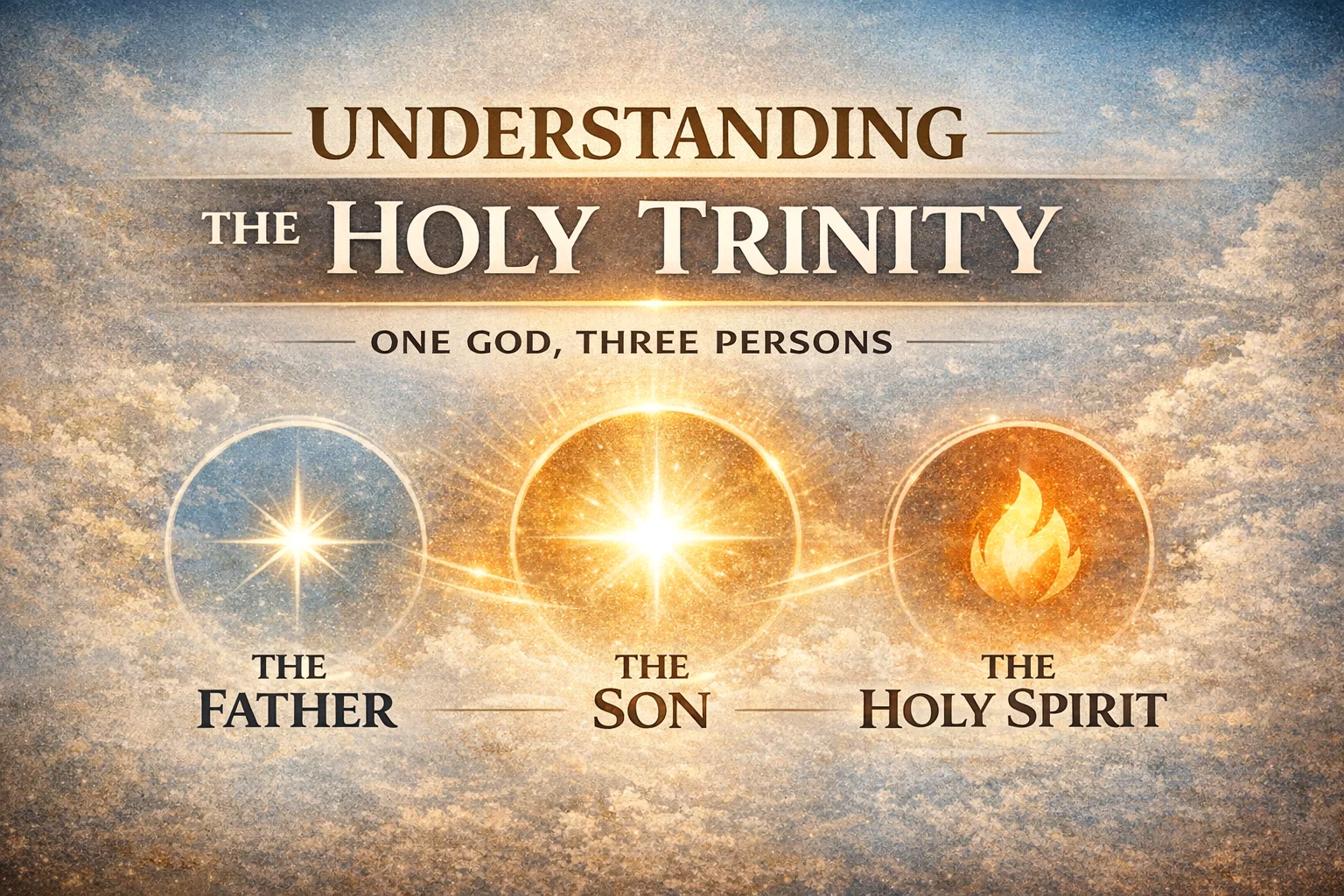
Salvation is not a fragmented process; it is a seamless operation involving the entire Godhead. To understand how we are saved, we must look at the distinct yet overlapping contributions of each person of the Trinity. The Father planned it, demonstrating His infinite wisdom and foresight. The Son accomplished it, showing His incredible obedience and love. The Spirit applies it, proving His constant faithfulness and transformative power.
Trusting the Process of Grace
Grace is a gift that we cannot earn, and seeing the effort put forth by the Trinity emphasizes just how valuable that gift is. When we realize that the entire Godhead was involved in securing our future, it builds a deep sense of trust. We can walk by grace because we know that the one who started a good work in us is faithful to complete it. Trusting in Christ means letting go of our own striving and leaning into the finished work and the ongoing presence of God.
Walking by Grace: Living in Spirit and Truth
John 4:24 reminds us that God is Spirit, and those who worship Him must do so in spirit and truth. This is the ultimate call for every believer. Walking by grace means living a life that reflects the truth of the Gospel while being led by the Spirit. It is a journey of continuous growth, where we align our hearts with the Father’s will and our actions with the Son’s example. It is not about perfection, but about direction.
Cultivating a Daily Relationship
How do we practically walk in this grace? It starts with a daily recognition of God’s presence. Whether through prayer, reading the Bible, or simply being mindful of the Spirit’s prompting, we can cultivate a deeper awareness of the Trinity in our lives. As we grow in our understanding of who God is, our love for Him naturally deepens, and our desire to follow His path increases. Every day is a new opportunity to experience the Father’s love, the Son’s mercy, and the Spirit’s power.
The Eternal Impact of the Trinity
The doctrine of the Trinity is more than just a pillar of the church; it is the foundation of our eternal hope. Because God is three in one, we are never alone, never without a Savior, and never without a plan. This divine structure ensures that our salvation is anchored in eternity, executed in history, and experienced in the present. It is a story of love that spans from the beginning of time into the infinite future.
Finding Peace in the Mystery
While our human minds may never fully grasp the mechanics of the Trinity, our hearts can certainly feel the impact. There is great peace in knowing that the Creator of the universe cares for us personally. By embracing the mystery and focusing on the relationship, we move from mere head knowledge to a heart centered faith. The Trinity reminds us that God is complex enough to hold the universe together, yet personal enough to live within our hearts.
Conclusion: Embracing Your Spiritual Journey
The journey of faith is a beautiful, lifelong exploration of the character of God. By understanding the Holy Trinity as the Father who plans, the Son who accomplishes, and the Spirit who applies, we gain a clearer picture of the magnitude of God’s love for us. This visual and spiritual roadmap is meant to encourage you, ground you in scripture, and inspire you to walk confidently in the grace that has been so freely given. As you continue to study, pray, and grow, remember that you are supported by the entirety of the Divine. Trust in the sacrifice of Christ, lean on the guidance of the Spirit, and rest in the eternal plan of the Father. Your walk of grace is a testimony to the power of a God who is one in essence and three in person, always working for your good and His glory.