10 Best Anti-Inflammatory Superfoods to Clear Brain Fog and Protect Cognitive Health
We often treat brain fog as an inevitable side effect of a busy life or a natural part of getting older. We joke about losing our keys or forgetting why we walked into a room, but the reality is that our cognitive health is deeply tied to the fuel we provide our bodies. Emerging research suggests that much of the mental fatigue and memory lapses we experience are actually signs of systemic inflammation. The good news is that your kitchen is the ultimate pharmacy. By incorporating specific, nutrient-dense plants into your daily routine, you can build a protective shield around your neurons and enhance your mental clarity starting today.
The Hidden Connection Between Inflammation and Brain Fog
To understand how to protect the brain, we first have to understand the enemy. Inflammation is the body’s natural response to injury or infection, but when it becomes chronic, it starts to wreak havoc on healthy tissues, including the brain. Chronic inflammation can damage the blood-brain barrier, leading to what many clinicians call “leaky brain.” This allows toxins to enter the sensitive neural environment, causing the slow, heavy feeling we know as brain fog.
This inflammatory state is often a precursor to more serious cognitive decline, including dementia and Alzheimer’s disease. However, the brain is remarkably plastic and resilient. By shifting toward an anti-inflammatory diet rich in antioxidants and healthy fats, we can neutralize free radicals and reduce the swelling of neural tissues. The goal is to create an internal environment where your brain cells, or neurons, can communicate at lightning speed without interference.
Blueberries: The Ultimate Shield for Your Neurons
Blueberries are frequently cited as a top “superfood,” and for good reason. They are packed with anthocyanins, a type of flavonoid that gives them their deep blue hue and provides potent antioxidant effects. These compounds have a unique ability to cross the blood-brain barrier and settle in areas of the brain that handle learning and memory.
How Blueberries Improve Communication
Studies have shown that the antioxidants in blueberries interact directly with aging neurons, leading to improvements in cell signaling. This means that your brain cells can send and receive messages more efficiently. Regular consumption of these berries has been linked to slower rates of cognitive decline in older adults. Whether you toss them into a morning smoothie or eat them by the handful, you are essentially providing your brain with a high-powered cleanup crew that mops up oxidative stress before it can do lasting damage.
Walnuts and the Power of Omega-3 Fatty Acids
It is no coincidence that a walnut looks remarkably like a human brain. These nuts are one of the best plant-based sources of alpha-linolenic acid, a type of omega-3 fatty acid. Since the brain is about 60 percent fat, it requires a steady supply of high-quality lipids to maintain its structural integrity.
Cognition and Structural Support
Omega-3s are essential for building cell membranes in the brain. They also have powerful anti-inflammatory effects. Incorporating walnuts into your diet can lead to better cognitive performance, including improved processing speed and memory. They are a convenient snack that provides a sustained energy release, unlike sugary snacks that lead to a mid-afternoon mental crash. A small palmful of walnuts a day is often all it takes to see a noticeable difference in your ability to focus on complex tasks.
Dark Chocolate: Boosting Blood Flow for Peak Performance
Yes, chocolate can be a health food, provided you choose the right kind. Dark chocolate, specifically varieties with at least 70 percent cocoa, is rich in flavanols. These compounds are known to improve blood flow throughout the body, but their impact on the brain is particularly impressive.
Oxygenating the Brain
When you consume cocoa flavanols, your blood vessels relax and widen, allowing more oxygen-rich blood to reach the brain’s high-demand areas. This boost in circulation can lead to immediate improvements in reaction time and visual-spatial awareness. Furthermore, dark chocolate stimulates the production of endorphins and serotonin, which can lift your mood and reduce the stress hormones that often contribute to mental exhaustion. It is a delicious way to keep your brain sharp and your spirits high.
Avocados and Healthy Fats for Neural Support
Avocados are often criticized for their calorie density, but for the brain, those calories are liquid gold. They are a rich source of monounsaturated fats, which support healthy blood flow and help maintain low blood pressure. High blood pressure is a known risk factor for cognitive decline, so keeping those numbers in check is a vital part of brain protection.
The Myelin Sheath and Brain Speed
The fats found in avocados help support the myelin sheath, which is the insulating layer around your nerves. Think of it like the plastic coating on an electrical wire. When the coating is healthy, the signal travels fast and clear. Avocados also contain Vitamin K and folate, which help prevent blood clots in the brain and protect against stroke. Adding half an avocado to your lunch can provide the “brain grease” needed to keep your thoughts sliding along smoothly all afternoon.
Green Tea: Anti-Aging Polyphenols in a Cup
If you are looking for a replacement for your third cup of coffee, green tea is the answer. While it does contain a modest amount of caffeine for a gentle lift, its real power lies in a compound called EGCG (epigallocatechin gallate). This polyphenol is a master at protecting cells from damage and has been shown to reduce the formation of plaques in the brain associated with Alzheimer’s.
The L-Theanine Advantage
Green tea also contains L-theanine, an amino acid that can cross the blood-brain barrier. L-theanine increases the activity of the inhibitory neurotransmitter GABA, which has anti-anxiety effects. It also increases dopamine and the production of alpha waves in the brain. The result is a state of “calm alertness” that is much more productive than the jittery energy provided by soda or heavy caffeine. Drinking two to three cups of green tea a day can provide a steady stream of anti-aging protection for your neural pathways.
Pumpkin Seeds: Zinc and the Path to Clarity
Tiny but mighty, pumpkin seeds are an incredible source of magnesium, iron, copper, and most importantly, zinc. Zinc is crucial for nerve signaling, and a deficiency in this mineral has been linked to many neurological conditions, including depression and Parkinson’s disease.
Enhancing Memory and Learning
Magnesium is essential for learning and memory, while copper helps control nerve signals. Iron is necessary to prevent brain fog and impaired brain function caused by anemia. By snacking on pumpkin seeds, you are getting a concentrated dose of these trace minerals that act as the spark plugs for your brain’s electrical system. They are easy to sprinkle on salads, yogurt, or oatmeal, making them one of the easiest “brain hacks” to implement.
Spinach and Leafy Greens: Folate for Memory Retention
Your mother was right about eating your greens. Leafy vegetables like spinach, kale, and collards are loaded with brain-healthy nutrients like Vitamin K, lutein, and folate. Folate, or Vitamin B9, is particularly important because it helps the body break down homocysteine, an amino acid that can damage the lining of arteries and lead to brain atrophy when levels are too high.
Slowing Cognitive Decline
Research involving thousands of participants has shown that people who eat at least one serving of leafy greens a day have the cognitive skills of someone 11 years younger than those who eat none. The combination of antioxidants and vitamins in spinach works to repair DNA and protect your brain cells from the daily wear and tear of environmental toxins. It is the foundation of a memory-boosting diet.
Lentils: The Sustainable Fuel for Brain Cells
The brain is an energy hog, consuming about 20 percent of the body’s total calories. To function at its best, it needs a steady, consistent supply of glucose. Lentils and other legumes provide complex carbohydrates that break down slowly, ensuring that your brain doesn’t experience the “sugar spikes” and subsequent “crashes” that lead to irritability and poor concentration.
The Power of B Vitamins
Lentils are also packed with B vitamins, including B6 and pantothenic acid. These vitamins are vital for the production of neurotransmitters, the chemical messengers that allow your brain to process information and regulate your mood. Because lentils are also high in fiber, they support a healthy gut microbiome. Since the gut and the brain are constantly communicating through the vagus nerve, a happy gut often leads to a clear, focused mind.
Creating a Brain-Healthy Lifestyle
While adding these specific foods to your plate is a fantastic start, the most effective approach to preventing dementia and clearing brain fog involves a holistic lifestyle shift. Food is the foundation, but how you live also dictates how your brain ages. Consistency is the key to seeing long-term results.
The Importance of Hydration and Sleep
Even mild dehydration can shrink brain tissue and impair short-term memory. Aim to drink plenty of water throughout the day, perhaps flavored with a few of those blueberries mentioned earlier. Similarly, sleep is the time when your brain’s glymphatic system flushes out metabolic waste. Without seven to nine hours of quality sleep, even the best diet cannot fully protect you from inflammation.
Movement and Mental Stimulation
Physical exercise increases brain-derived neurotrophic factor (BDNF), a protein that acts like fertilizer for your brain cells, helping them grow and stay healthy. Pair this with mental exercises like reading, puzzles, or learning a new language to keep your neural connections strong. When you combine nutrient-dense foods with movement and rest, you are giving your brain the best possible chance to stay vibrant and sharp well into your later years.
Conclusion: Taking Charge of Your Cognitive Future
Dementia and cognitive decline do not happen overnight. They are the result of decades of tiny choices and environmental factors. By recognizing that brain fog is often a signal of underlying inflammation rather than just a symptom of aging, you gain the power to intervene. You do not need a restrictive, complicated diet to make a difference. Simply reaching for a handful of walnuts instead of a bag of chips, or choosing a cup of green tea over a sugary latte, sets a new trajectory for your health.
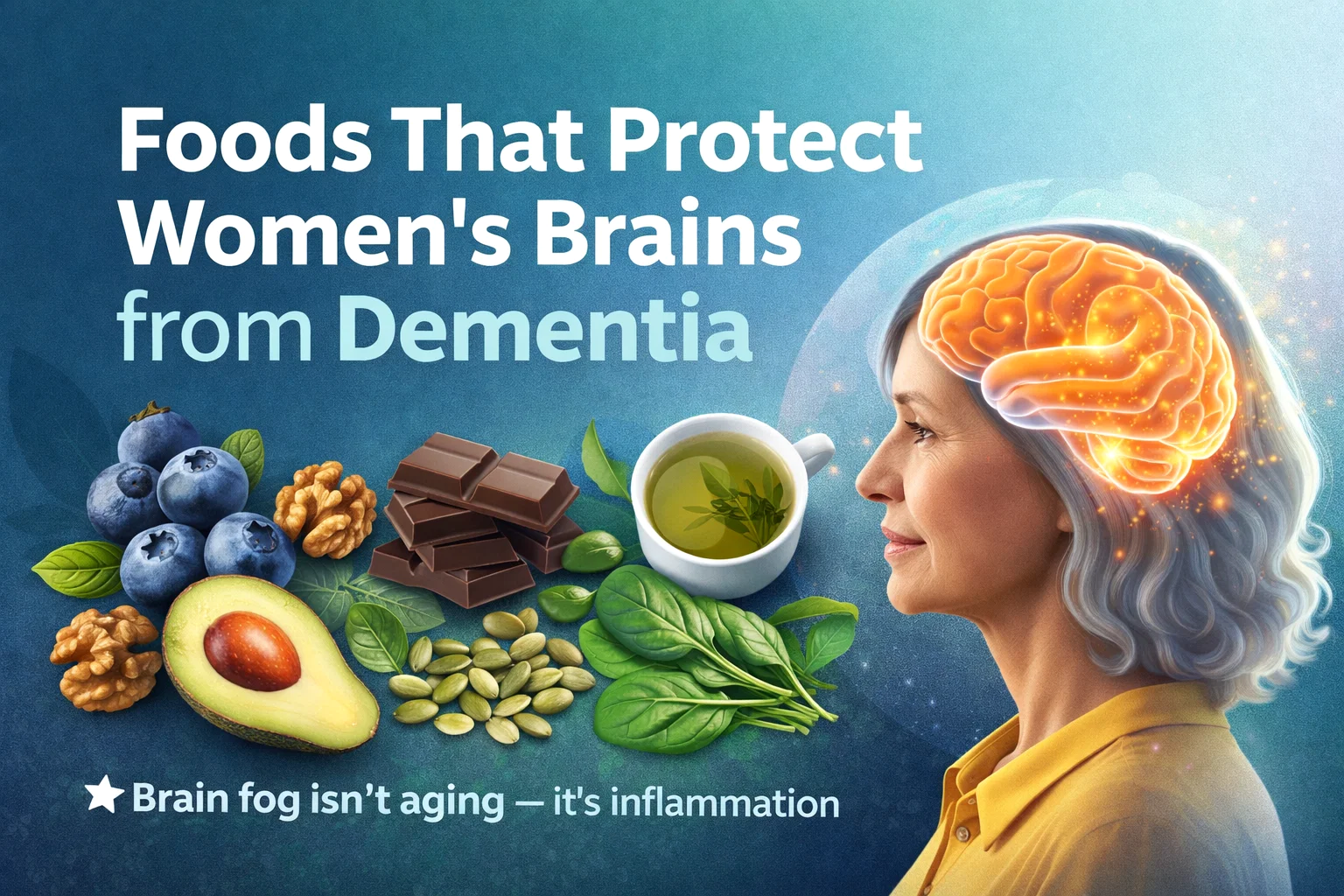
The plants highlighted today—blueberries, walnuts, dark chocolate, avocados, green tea, pumpkin seeds, spinach, and lentils—offer a delicious and accessible way to nourish your mind. Your brain is the most complex and precious organ you own. It deserves to be fueled with the very best that nature has to offer. Start small, stay consistent, and enjoy the clarity that comes with a well-nourished mind. Your future self will thank you for the choices you make in your kitchen today.