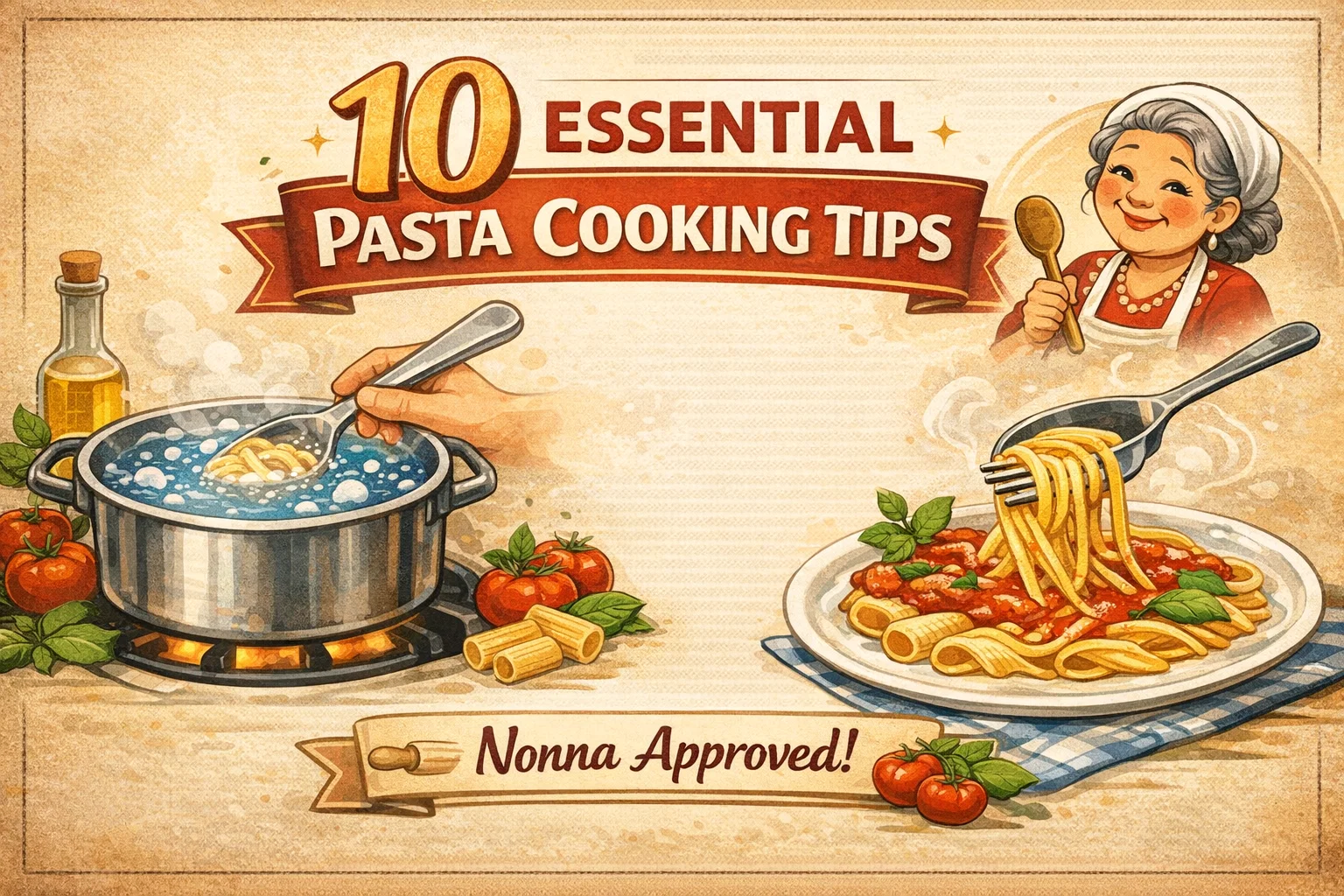
Pasta Cooking Tips 10 Nonna-Approved Secrets
There is something undeniably magical about a perfectly cooked bowl of pasta. Whether it is a simple weeknight spaghetti aglio e olio or an elaborate Sunday ragu, pasta has the power to comfort and delight. However, achieving that restaurant-quality, authentic Italian texture and flavor at home often eludes many home cooks. You might find your noodles sticking together, turning out too mushy, or lacking that cohesive harmony with the sauce. The good news is that mastering pasta does not require a culinary degree. It simply requires following a few time-tested, Nonna-approved secrets.
Today, we are diving deep into the ultimate pasta cooking tips that will transform your kitchen into an authentic Italian trattoria. We are going to break down the entire process from the moment you fill your pot with water to the final delicious bite. Get ready to elevate your dinner game with these ten essential rules for cooking perfect pasta every single time.
The Foundation: Preparing Your Pasta Bath
The journey to perfect pasta begins long before the noodles ever touch the water. Setting up your cooking environment correctly is the first critical step to success. Many people rush this stage, but patience and preparation here will pay massive dividends on your dinner plate.
1. Salt the Water Until It Tastes Like the Sea
If there is one absolute, undeniable rule of cooking pasta, it is that you must salt your water generously. This is your one and only opportunity to season the pasta itself from the inside out. If you boil pasta in unsalted water, the noodles will be bland, and no amount of salty sauce poured on top later can fix that fundamental lack of flavor. When we say salt the water like the sea, we mean it. You want a noticeably salty taste. A good rule of thumb is about one to two tablespoons of kosher salt for every pound of pasta. Add the salt only after the water has come to a boil so it dissolves instantly and does not pit the bottom of your stainless steel pots. This simple step elevates the entire dish, highlighting the natural wheaty flavor of the pasta.
2. Use Plenty of Water to Give It Room to Move
A common mistake in home kitchens is trying to cram a pound of long spaghetti into a tiny saucepan. Pasta needs plenty of space to swim. When you add pasta to boiling water, it immediately begins to release starches. If the ratio of water to pasta is too low, that water becomes a thick, gluey starch bath, which practically guarantees your noodles will clump together into an unappetizing mass. Using a large pot with at least four to six quarts of water for a pound of pasta ensures the starches dilute properly. Furthermore, a larger volume of water will return to a boil much faster after you add the cold pasta, minimizing the time your noodles spend soaking in tepid water.
3. Patience is Key: Wait for a Rolling Boil
We have all been there. You are hungry, dinner is running late, and you see a few small bubbles at the bottom of the pot. It is tempting to just toss the pasta in and hope for the best. Resist this urge! You must wait for a true, vigorous rolling boil. A rolling boil is one that does not stop even when you stir the water. Dropping pasta into water that is merely simmering will result in an unevenly cooked, gummy texture. The intense heat of a rolling boil immediately sets the exterior of the pasta, preventing it from sticking together and starting the cooking process evenly.
The Cooking Process: Monitoring and Timing
Once your pasta is in the water, your job is not quite done. Active participation during the boiling phase is crucial for achieving that perfect texture.
4. Stir Early to Prevent Sticking
The first two minutes after the pasta hits the boiling water are the most critical. This is when the noodles release their surface starches and are highly prone to sticking to the bottom of the pot or to each other. As soon as you drop the pasta in, grab a long wooden spoon or tongs and give it a thorough, vigorous stir. Make sure to scrape the bottom of the pot. You do not need to stand there and stir continuously for the entire cooking time, but giving it a good mix during those initial crucial moments, and occasionally thereafter, is absolutely essential for distinct, separated noodles.
5. Master the Art of Cooking Al Dente
In Italy, pasta is never cooked until it is completely soft. It is cooked “al dente,” which translates to “to the tooth.” This means the pasta should be tender but still retain a slight, firm resistance in the very center. Overcooked pasta is mushy, unappealing, and actually digests faster, leading to a quicker blood sugar spike. To achieve al dente perfection, start tasting your pasta about two minutes before the package directions suggest it will be done. Fish out a noodle, let it cool for a second, and bite into it. You should see a tiny white dot in the center of the noodle. Remember that the pasta will continue to cook slightly when you mix it with your hot sauce, so pulling it out of the water just a fraction early is the secret to a flawless final texture.
The Integration: Where the Magic Happens
This phase separates amateur cooks from true pasta aficionados. It is all about how you treat the pasta after it finishes boiling and how you marry it with your sauce.
6. Save That Pasta Water: The Liquid Gold
Before you carry that heavy pot to the sink to drain, stop! You must save a cup of the starchy pasta cooking water. This cloudy, salty liquid is the secret ingredient in every great Italian restaurant. Because the water is full of starches released by the pasta, it acts as a magical binding agent. When you add a splash of this water to your sauce, it helps emulsify the fats in the sauce, creating a silky, glossy coating that clings perfectly to every single noodle. It also helps thin out a sauce that has reduced too much in the pan. Always scoop out a mug full of this liquid gold before draining.
7. Never Rinse Your Pasta
This is perhaps the biggest cardinal sin of pasta preparation. Never, ever rinse your cooked pasta under tap water. When you rinse pasta, you are washing away all of the beautiful, sticky surface starches that you just spent time carefully developing. Those starches are exactly what you need to help your delicious sauce adhere to the noodles. Rinsing leaves the pasta slick and watery, meaning your sauce will slide right off and pool sadly at the bottom of your bowl. The only exception to this rule is if you are making a cold pasta salad, where you want to stop the cooking process immediately and prevent sticking as it cools.
8. Finish Cooking in the Sauce
Do not simply scoop naked pasta onto a plate and ladle sauce over the top. To achieve true flavor harmony, the pasta needs to finish its cooking journey inside the sauce itself. Transfer your al dente pasta directly from the boiling water into a wide skillet containing your warm sauce. Add a splash of that reserved pasta water. Toss the pasta and sauce together over medium heat for about one to two minutes. This process allows the pasta to literally absorb the flavors of the sauce as it finishes cooking, while the starchy water emulsifies everything into a rich, cohesive masterpiece.
The Final Touches: Presentation and Perfection
We are almost ready to eat. These final steps ensure that your beautifully cooked dish is optimally paired and perfectly balanced before serving.
9. Pick the Right Pasta Shape for the Right Sauce
Pasta comes in hundreds of shapes for a reason, and matching the shape to the sauce is a crucial element of Italian cooking. Delicate, thin pastas like angel hair or standard spaghetti pair best with light, oil based or thin tomato sauces. Wide ribbons like pappardelle or fettuccine are sturdy enough to stand up to heavy, rich meat ragus or thick cream sauces. Tube shaped pastas like penne or rigatoni are fantastic for chunky vegetable sauces or baked dishes, as the hollow centers catch and hold the delicious pieces of the sauce. Choosing the right pairing elevates the entire eating experience.
10. Always Taste Before Serving
Before you bring your beautiful creation to the table, take a moment to be a chef. Taste a bite of the finished dish directly from the pan. Does it need a little more salt? A pinch of fresh black pepper? Perhaps a final drizzle of high quality extra virgin olive oil or a handful of freshly grated Parmigiano Reggiano? Adjusting the seasoning at the very end ensures that your meal is absolutely perfect when it hits the plate. Trust your palate to guide you to the finish line.
Bringing the Trattoria Home
Cooking incredible pasta does not require expensive equipment or complicated techniques. As we have explored today, it all comes down to respecting the ingredients and following these timeless, Nonna-approved traditions. From salting the water like the sea to saving that crucial starchy liquid gold, every step builds upon the last to create a harmonious, deeply flavorful dish.
- Remember the foundation: Generous salt, ample water, and a rolling boil.
- Watch the texture: Stir early and always aim for that perfect al dente bite.
- Marry the flavors: Never rinse, always save your water, and toss the pasta directly in the hot sauce.
By incorporating these simple tips into your regular cooking routine, you will say goodbye to sticky, mushy noodles forever. You are now equipped with the knowledge to turn ordinary pantry staples into extraordinary culinary experiences. Grab your favorite pot, pick a delicious sauce recipe, and start practicing these techniques tonight. Your friends and family will surely be asking for your secret!