20 Best Anti-Inflammatory Foods to Reduce Bloating and Boost Energy Naturally
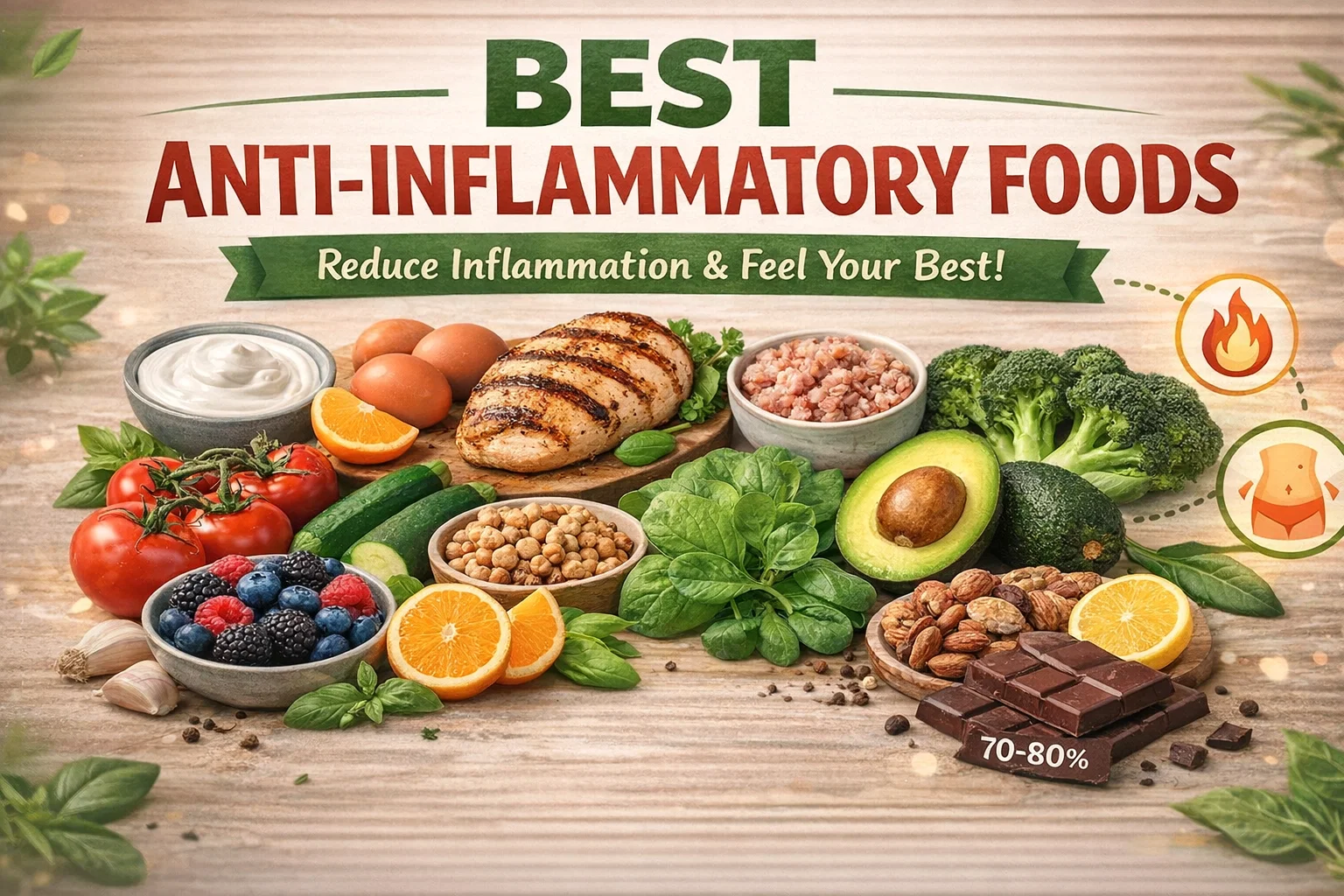
Have you ever woken up feeling heavy, sluggish, or just generally out of sync with your body? It is a common frustration, often tied to a silent culprit: inflammation. While inflammation is a natural defense mechanism for the body, chronic inflammation can lead to persistent bloating, low energy levels, and long term health hurdles. The good news is that your kitchen is actually your best pharmacy. By shifting your focus toward a vibrant, whole food diet, you can literally eat your way to a more energized and balanced version of yourself. The image above outlines a roadmap of nature’s most potent allies, from leafy greens to antioxidant rich berries, designed to help you feel your absolute best every single day.
Understanding the Power of Anti-Inflammatory Nutrition
Before diving into the specific foods that can transform your health, it is important to understand what an anti-inflammatory diet actually does. Unlike restrictive fad diets, this approach is about abundance and quality. It focuses on replacing highly processed sugars and unhealthy fats with nutrient dense alternatives that soothe the body’s internal systems. When you consume foods high in antioxidants, healthy omega-3 fatty acids, and essential vitamins, you are providing your cells with the tools they need to repair damage and reduce oxidative stress.
The benefits of this lifestyle go far beyond just looking better in your clothes. Reduced inflammation is linked to improved digestion, clearer skin, sharper mental focus, and a significant boost in natural energy. Instead of relying on a third cup of coffee to get through the afternoon, your body begins to generate its own sustainable fuel from the clean ingredients you consume. It is a holistic shift that honors your body’s needs while satisfying your taste buds with some of the most delicious flavors nature has to offer.
Lean Proteins for Sustained Energy and Repair
Protein is the building block of life, but not all protein sources are created equal when it comes to fighting inflammation. Choosing the right types of protein ensures that you are supporting muscle recovery and metabolic health without adding unnecessary stress to your digestive system.
The Magic of Wild Salmon and Fatty Fish
Wild salmon is often cited as the gold standard of anti-inflammatory proteins. The reason lies in its high concentration of EPA and DHA, which are specific types of omega-3 fatty acids. These fats are incredible at inhibited the production of substances that cause inflammation in the joints and tissues. If salmon isn’t your favorite, tuna and sardines offer similar benefits. Incorporating these fish into your diet twice a week can lead to a noticeable decrease in morning stiffness and a boost in heart health.
Eggs and Grilled Chicken: Versatile and Vital
For those who prefer land based proteins, organic eggs and grilled chicken are fantastic staples. Eggs are a powerhouse of choline and vitamin D, both of which play roles in immune regulation. Grilled chicken provides a lean source of amino acids without the inflammatory saturated fats found in heavily marbled red meats. The key here is the preparation. Opting for grilling, poaching, or baking rather than deep frying keeps the inflammatory markers low and the nutritional value high.
Green Giants: Why Leafy Greens and Cruciferous Veggies Matter
If there is one section of the grocery store you should spend the most time in, it is the produce aisle. The vegetables highlighted in our guide, like spinach, broccoli, and zucchini, are packed with phytonutrients that act as internal cleansers for your system.
Spinach and the Power of Chlorophyll
Spinach is loaded with vitamin K, manganese, and magnesium. Magnesium is particularly important for those dealing with chronic stress, as it helps relax the muscles and support the nervous system. Whether you toss it into a morning smoothie or sauté it with a bit of garlic and olive oil, spinach is an easy way to add a massive hit of antioxidants to your day.
Broccoli and Sulforaphane
Cruciferous vegetables like broccoli contain a compound called sulforaphane, which has been extensively studied for its ability to block enzymes that cause joint destruction and inflammation. Broccoli is also high in fiber, which is essential for gut health. A healthy gut is the foundation of a strong immune system, as it prevents toxins from leaking into the bloodstream and triggering an inflammatory response.
Healthy Fats: The Secret to Fighting Bloat
For a long time, people were told to avoid fats, but we now know that healthy fats are some of the best tools we have for weight management and inflammation control. The right fats help you feel full longer and provide a slow-burning source of energy.
Avocado: The Creamy Anti-Inflammatory Hero
Avocados are unique because they provide monounsaturated fats along with a healthy dose of fiber and potassium. Potassium is vital for flushing out excess sodium, which is often the primary cause of water retention and bloating. Adding half an avocado to your breakfast or lunch can stabilize your blood sugar and keep those midday cravings at bay.
Extra Virgin Olive Oil
Olive oil is a staple of the Mediterranean diet for a reason. It contains oleocanthal, an antioxidant that has an effect similar to anti-inflammatory medication. It is best used as a finishing oil for salads or drizzled over steamed vegetables to preserve its delicate nutritional profile. Just a tablespoon or two a day can make a world of difference in your cardiovascular health and joint mobility.
Fruits and Berries: Nature’s Sweetest Medicine
When the craving for something sweet hits, reaching for fruit instead of processed snacks is a game changer for your inflammatory markers. Berries, in particular, are small but mighty when it comes to health benefits.
The Antioxidant Punch of Berries
Blueberries, strawberries, and raspberries are rich in anthocyanins. These are the pigments that give berries their deep colors and also provide potent anti-inflammatory effects. They help protect your cells from DNA damage and have been shown to improve brain function and memory. Because they are low on the glycemic index, they won’t cause the insulin spikes that lead to systemic inflammation.
Apples and Oranges for Immune Support
Apples are high in quercetin, a natural antihistamine and anti-inflammatory, while oranges provide a massive dose of vitamin C. Together, these fruits support your body’s natural collagen production and strengthen the gut barrier. Keeping a bowl of fresh fruit on your counter is a simple visual reminder to choose snacks that heal rather than hurt.
Complex Carbs and Legumes for Gut Harmony
Carbohydrates are not the enemy; the type of carbohydrate is what matters. Refined flours and sugars trigger inflammation, while complex carbs and legumes provide the fiber necessary for a healthy microbiome.
Quinoa and Sweet Potatoes
Quinoa is a pseudo-grain that is naturally gluten-free and contains all nine essential amino acids. It is an excellent substitute for white rice or pasta. Sweet potatoes are another fantastic option, providing beta-carotene and complex starches that digest slowly. This slow digestion prevents the “sugar crashes” that often leave us feeling tired and bloated by the end of the day.
Chickpeas and Lentils
Legumes are high in plant-based protein and prebiotic fiber. Prebiotics act as food for the “good” bacteria in your gut. When your gut bacteria are well-fed and balanced, they produce short-chain fatty acids that actually reduce inflammation throughout the entire body. Adding lentils to a soup or chickpeas to a salad is a budget-friendly way to upgrade your health.
Shutterstock
Explore
The Finishing Touches: Nuts, Seeds, and Dark Chocolate
Small additions to your meals can have a cumulative effect on your wellness. Crunch and flavor can come with a side of health benefits if you choose the right ingredients.
Walnuts and Almonds
Walnuts are particularly high in alpha-linolenic acid, a plant-based omega-3. Almonds are a great source of vitamin E, which protects the skin and lungs from oxidative damage. A small handful of these nuts provides the perfect balance of protein, fat, and fiber to keep you energized between meals.
The Benefits of 70 to 80 Percent Dark Chocolate
Yes, you can have your cake and eat it too, as long as it is dark chocolate! Chocolate with a high cocoa content is packed with flavonoids that reduce inflammation and improve blood flow. It also triggers the release of endorphins, making it the perfect “happy food” to end your day. Stick to one or two squares of high-quality dark chocolate to enjoy the benefits without the excess sugar.
Practical Tips for Starting Your Anti-Inflammatory Journey
Transitioning to a new way of eating does not have to happen overnight. In fact, small, sustainable changes are often more effective than an all-or-nothing approach. Start by picking three foods from the list and finding ways to incorporate them into your meals this week.
- Hydrate with Intention: Pair these foods with plenty of water or green tea to help flush out toxins.
- Spice it Up: Use turmeric and ginger in your cooking for an extra anti-inflammatory kick.
- Listen to Your Body: Pay attention to how you feel after eating. You will likely notice a reduction in bloating within just a few days of focusing on these whole foods.
- Preparation is Key: Wash and chop your veggies ahead of time so they are the easiest thing to reach for when you are hungry.
Wrapping Up Your Path to Wellness
Embracing an anti-inflammatory lifestyle is one of the most proactive steps you can take for your long term health. By choosing the vibrant, nutrient-dense foods featured in our guide, you are doing so much more than just “eating healthy.” You are giving your body the permission to heal, the fuel to thrive, and the clarity to enjoy every moment of your day. Remember that wellness is a journey, not a destination. Every meal is a new opportunity to nourish your body and move closer to that feeling of being light, energized, and vibrant. Start today by adding a bit more color to your plate and watch how your body rewards you with newfound vitality and comfort. You deserve to feel your best, and it all starts with the food you choose to enjoy.
Would you like me to help you create a specific 7-day meal plan based on these anti-inflammatory foods?