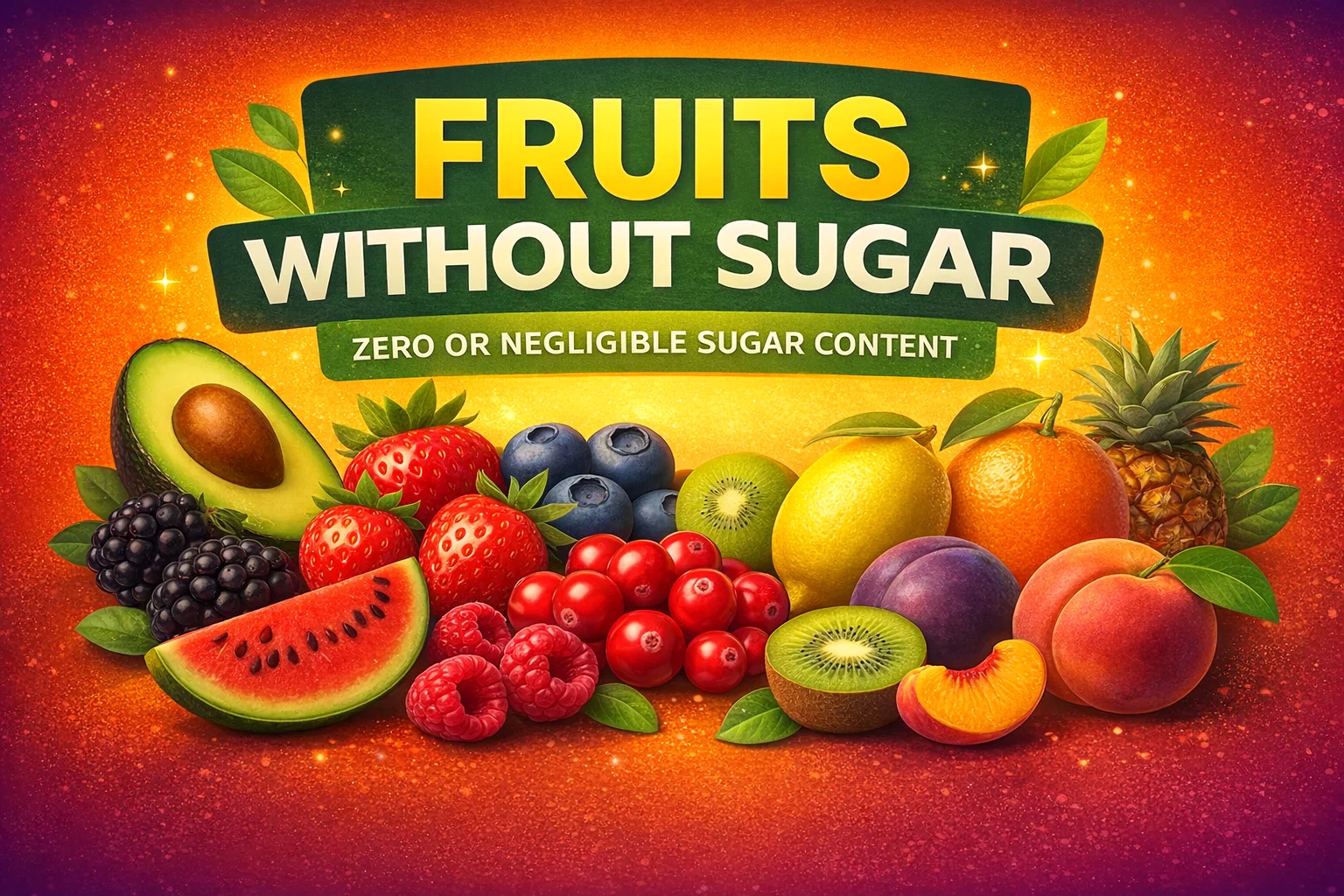
15 Low Sugar Fruits for Keto and Weight Loss Best Healthy Fruit List
If you have ever felt like fruit was off limits because you are watching your sugar intake, you are not alone. There is a lot of conflicting information out there about whether the natural sugars in fruit can stall your progress on a keto diet or a weight loss journey. The good news is that Mother Nature provides a variety of options that are high in fiber, packed with antioxidants, and surprisingly low in sugar. Understanding which fruits fit into a low glycemic lifestyle is the key to enjoying sweet flavors without the unwanted insulin spikes.
The Truth About Fruit and Sugar Content
When we talk about sugar in fruit, we are referring to fructose. While fructose is a natural sugar, your body still processes it as a carbohydrate. For someone following a strict ketogenic diet or managing blood sugar levels, even natural sugars need to be monitored. However, not all fruits are created equal. While a mango or a banana might contain upwards of 15 to 20 grams of sugar, the fruits highlighted in our list today often stay well under the 5 gram mark per serving.
The secret lies in the fiber to sugar ratio. High fiber fruits slow down the absorption of sugar into your bloodstream, providing a more stable energy source. By choosing fruits like avocados, berries, and citrus, you get the vitamins and minerals you need without the metabolic crash that comes from high sugar snacks.
Top Low Sugar Fruits for Your Daily Routine
The Power of Berries: Strawberries, Blueberries, and Raspberries
Berries are often called the superfoods of the low carb world. They are small but mighty, offering a massive dose of vitamin C and polyphenols. Strawberries are particularly impressive because they are mostly water and fiber. You can eat a relatively large portion of strawberries for a very small amount of net carbs.
Raspberries and blackberries are even better for those focused on digestion because they have some of the highest fiber counts of any fruit. These tiny seeds in the berries help keep your gut healthy while keeping your sugar intake at a minimum. Blueberries are slightly higher in sugar than their cousins, but they are so dense in brain-boosting antioxidants that they still earn a top spot on any healthy grocery list.
Avocado: The Ultimate Keto Fruit
It is easy to forget that avocado is a fruit, but it is actually the king of low sugar produce. Unlike most fruits that are heavy on carbs, avocados are loaded with healthy monounsaturated fats. They contain almost zero sugar and are incredibly high in potassium, which is essential for preventing the keto flu and maintaining heart health. Adding half an avocado to your breakfast can keep you satiated for hours, something a high sugar fruit simply cannot do.
Citrus Zest: Lemons, Limes, and Grapefruit
If you need a burst of flavor without the calories, citrus is your best friend. Lemons and limes have negligible sugar content and are perfect for detox waters or seasoning grilled proteins. Grapefruit is another fantastic option, often praised in the wellness community for its ability to improve insulin sensitivity. While it is more tart than sweet, a sprinkle of a natural sweetener like stevia can turn it into a refreshing morning treat.
Unexpected Low Sugar Options: Watermelon and Peaches
Many people are surprised to see watermelon and peaches on a low sugar list. It is a common misconception that because a fruit is juicy and sweet, it must be high in sugar. Watermelon is actually about 90 percent water. While its glycemic index is higher, the glycemic load—which is how much it actually affects your blood sugar in a standard serving—is quite low. As long as you practice portion control, a slice of watermelon on a hot summer day is a perfectly healthy choice.
Peaches and apricots are stone fruits that offer a moderate amount of sugar but are rich in beta-carotene and vitamin A. These are great for skin health and immune support. The key with stone fruits is to enjoy them fresh rather than dried. Dried fruits concentrate the sugars and remove the water, making it much easier to overconsume calories and carbs.
How to Incorporate Low Sugar Fruits into a Healthy Diet
Simply knowing which fruits are low in sugar is the first step, but knowing how to eat them is where the magic happens. To get the most benefit out of these natural treats, consider these quick tips:
- Combine with Fats: Always try to eat your fruit with a handful of nuts, some full fat Greek yogurt, or a piece of cheese. The fat and protein further slow down the digestion of the fruit sugars.
- Watch the Ripeness: As fruit ripens, the starch turns into sugar. For example, a slightly green banana has more resistant starch and less sugar than a spotted brown one. The same applies to many other fruits.
- Avoid Juicing: When you juice a fruit, you remove the fiber and leave only the sugar water. Even low sugar fruits can become high glycemic if you strip away the fiber that makes them healthy.
- Use as a Garnish: Instead of making fruit the entire meal, use it as a flavorful topper for salads or chia seed puddings.
The Importance of Net Carbs
For those in the keto community, the term net carbs is vital. You calculate this by taking the total carbohydrates and subtracting the grams of fiber. Because fiber is not digested by the body, it does not contribute to your blood sugar levels. This is why a fruit like a raspberry, which might have 12 grams of total carbs, only has about 5 grams of net carbs. This distinction allows you to enjoy a much wider variety of plant foods while staying in ketosis.
Common Misconceptions About Fruit and Weight Loss
There is a recurring myth that “fruit makes you fat” because of the fructose. This is a significant oversimplification. Fructose in the form of High Fructose Corn Syrup found in sodas is processed very differently by the liver than the fructose found in a whole piece of fruit. The vitamins, minerals, water, and fiber in whole fruit protect your body from the negative effects of sugar. Unless you are eating baskets of high sugar tropical fruits every day, fruit is rarely the reason for weight gain.
In fact, replacing processed snacks like crackers or granola bars with a low sugar fruit like an apple or a bowl of berries is one of the fastest ways to see results in your weight loss journey. You are trading empty calories for nutrient dense fuel.
Creating a Low Sugar Fruit Plan
If you are planning your meals for the week, try to diversify your fruit intake. You might have blueberries in your smoothie on Monday, a grapefruit on Tuesday, and avocado toast on Wednesday. This ensures you are getting a broad spectrum of antioxidants. Remember that color is often an indicator of different nutrients. Deep blues, bright reds, and vibrant greens all signify different protective compounds that your body needs to thrive.
Storage and Preparation Tips
To keep your low sugar fruits fresh, store berries in a glass jar in the fridge to prevent mold. Keep your citrus in a cool, dark place to maintain juice levels. If you find that your fruit is about to go bad, do not throw it away. Instead, freeze it for future smoothies or for making a healthy, sugar free “nice cream.”
Conclusion: Finding Balance with Nature’s Sweets
Living a low sugar lifestyle does not mean you have to give up the vibrant flavors and essential nutrients that fruit provides. By focusing on the options highlighted today—like avocados, berries, and citrus—you can satisfy your cravings while supporting your metabolic health. It is all about making informed choices and understanding the science behind how your body processes different foods.
Whether you are trying to lose weight, manage a health condition, or just feel more energetic throughout the day, these low sugar fruits are your secret weapon. They prove that you can have your “cake” and eat it too, as long as that cake is actually a delicious, nutrient dense piece of fruit. Start experimenting with these ingredients in your kitchen and discover how refreshing a low sugar life can be.
Would you like me to create a specific meal plan incorporating these low-sugar fruits for your next blog post?