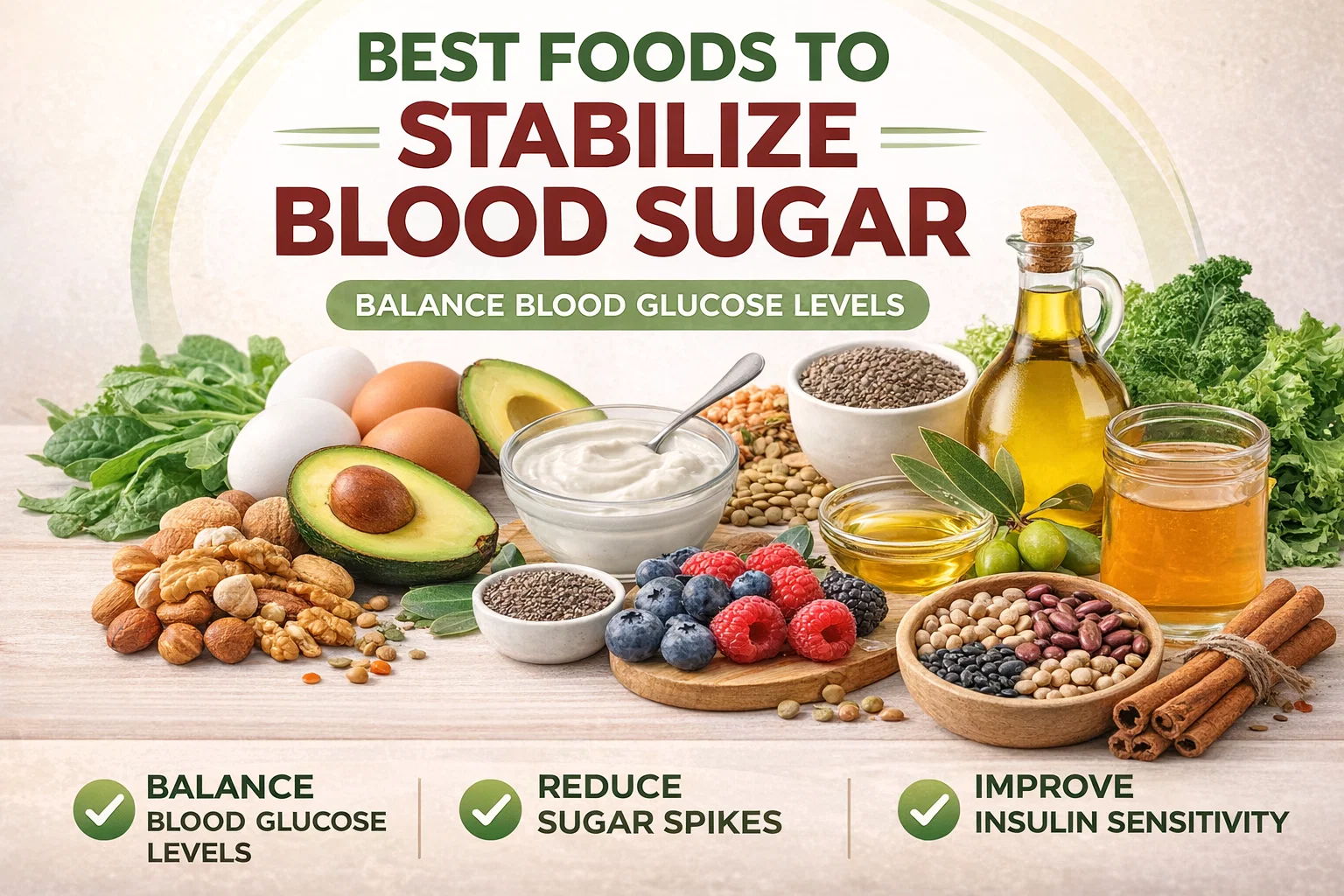
12 Best Foods to Stabilize Blood Sugar Natural Ways to Lower Glucose Spikes Insulin Tips
Maintaining balanced blood sugar levels is one of the most effective ways to support long term health and daily energy. Many of us experience the mid afternoon slump or sudden cravings that feel impossible to ignore. Often, these are symptoms of glucose spikes and subsequent crashes. By choosing specific whole foods that naturally regulate insulin response and slow down digestion, you can take control of your metabolic health without feeling deprived. This guide explores the most powerful natural ingredients you can add to your plate to stabilize your blood sugar and improve your overall well-being.
The Science of Blood Sugar Stabilization
To understand why certain foods are better for us, it is helpful to look at how our bodies process energy. When we eat carbohydrates, they are broken down into glucose, which enters the bloodstream. In response, the pancreas releases insulin to help cells absorb that glucose for energy. High glycemic foods cause a rapid spike in blood sugar, leading to an overproduction of insulin and an eventual crash. Chronic spikes can lead to insulin resistance over time. By incorporating fiber, healthy fats, and lean proteins, we can flatten that glucose curve and keep our levels steady throughout the day.
The Power of Fiber and Protein
Fiber is a true hero in the world of metabolic health. Soluble fiber, found in foods like beans and chia seeds, turns into a gel like substance during digestion. This slow moving gel prevents sugar from entering the bloodstream too quickly. Similarly, protein requires more energy to digest and helps you feel full for longer. When you combine fiber and protein in a single meal, you create a powerful defense against energy dips and sugar cravings.
Top 12 Foods to Keep Your Glucose Levels Steady
Adding these specific foods to your grocery list can make a significant difference in how you feel. Many of these items are likely already in your kitchen, making it easy to start your journey toward better health today.
1. Eggs for Sustained Energy
Eggs are a nearly perfect food for blood sugar management. They are packed with high quality protein and healthy fats, both of which slow down the digestion of any carbohydrates eaten alongside them. Research suggests that eating eggs can reduce post meal blood sugar spikes by up to 20 percent. Whether they are boiled, poached, or scrambled, eggs provide a steady foundation for your morning.
2. Avocados and Healthy Fats
Avocados are rich in monounsaturated fats, which are known to improve insulin response. Unlike many other fruits, they are very low in sugar and high in fiber. Including half an avocado with your lunch can keep your glucose levels much steadier between meals, preventing the urge to snack on processed sweets later in the day.
3. Lentils and Legumes
Lentils are a fantastic source of slow digesting carbohydrates. Because they are loaded with fiber, they help prevent rapid glucose rises by nearly 30 percent. They are incredibly versatile and can be added to soups, salads, or used as a meat alternative in many recipes.
4. Plain Greek Yogurt
While many yogurts are loaded with added sugars, plain Greek yogurt is a powerhouse of protein and probiotics. The high protein content supports a steadier glucose release and can even improve insulin sensitivity over time. It makes an excellent base for a blood sugar friendly breakfast when topped with nuts or seeds.
5. Chia Seeds: The Fiber Powerhouse
Chia seeds are unique because they can absorb many times their weight in water, forming a gel in the stomach. This process blunts sugar spikes and significantly reduces cravings. They are easy to incorporate into puddings, smoothies, or even as an egg replacement in baking.
6. Leafy Greens
Spinach, kale, and Swiss chard are low in calories and carbohydrates but very high in essential minerals like magnesium. Magnesium plays a critical role in insulin signaling. Adding a large portion of leafy greens to your meals supports better glucose variability and provides vital antioxidants.
7. Nuts and Walnuts
Nuts provide a satisfying crunch along with a healthy dose of fats and fiber. Walnuts, in particular, are excellent for heart health and blood sugar control. They slow down the absorption of carbohydrates, lowering post meal spikes by about 15 percent. A small handful makes the perfect bridge between meals.
8. Olive Oil
A staple of the Mediterranean diet, olive oil is excellent for metabolic health. Adding it to a meal rich in carbohydrates can actually reduce the overall blood sugar rise of that meal. It helps the body process insulin more efficiently and adds a delicious richness to your cooking.
9. Berries: Nature’s Low Sugar Sweetener
If you have a sweet tooth, berries are your best friend. Blueberries, strawberries, and raspberries are lower in sugar than most other fruits. They are also packed with polyphenols, which improve insulin signaling. They allow you to enjoy a treat without the heavy glucose consequences of more sugary fruits.
10. Cinnamon for Insulin Sensitivity
Cinnamon is more than just a delicious spice. It has been shown to mimic the effects of insulin and increase glucose transport into cells. Incorporating cinnamon into your diet can reduce glucose spikes by up to 25 percent. Try sprinkling it on your yogurt or adding it to your morning coffee.
11. Beans for Long Lasting Fullness
Similar to lentils, beans are high in fiber and protein. They digest very slowly, which means they provide a steady stream of energy for hours. Whether you prefer black beans, kidney beans, or chickpeas, these legumes are essential for a balanced diet.
12. Apple Cider Vinegar
Taking a tablespoon of apple cider vinegar diluted in water before a meal is a popular and effective hack. It can reduce post meal glucose spikes by up to 30 percent. The acetic acid in the vinegar slows down the conversion of complex carbs into sugar, giving your body more time to process the energy.
How to Build a Blood Sugar Friendly Plate
Knowing which foods to eat is the first step, but how you arrange them on your plate matters just as much. A great rule of thumb is the Plate Method. Fill half of your plate with non starchy vegetables like leafy greens or broccoli. One quarter should be dedicated to high quality protein like eggs, fish, or beans. The final quarter can be a slow digesting carbohydrate like lentils or a small portion of whole grains. Don’t forget to include a healthy fat, such as a drizzle of olive oil or a few slices of avocado, to tie it all together.
The Importance of Meal Sequencing
Recent studies have shown that the order in which you eat your food can impact your glucose levels. If you eat your vegetables first, followed by your protein and fats, and save your starches for last, you can significantly reduce the resulting blood sugar spike. This simple change requires no new ingredients but can have a profound effect on your daily energy levels.
Lifestyle Habits for Better Balance
While food is the primary driver of blood sugar levels, other lifestyle factors play a supporting role. Staying hydrated is essential, as dehydration can lead to more concentrated blood sugar. Additionally, a short ten minute walk after a meal helps your muscles use up the glucose you just consumed, naturally lowering your levels.
The Role of Stress and Sleep
High levels of stress trigger the release of cortisol, which can cause the liver to release extra glucose into the bloodstream. Similarly, a lack of sleep can temporarily make the body more insulin resistant. Prioritizing rest and finding simple ways to decompress can make your nutritional efforts even more effective.
Practical Tips for Success
- Read Labels Carefully: Many “healthy” snacks contain hidden sugars that can cause unexpected spikes.
- Keep it Simple: You don’t need complex recipes. A simple bowl of Greek yogurt with walnuts and cinnamon is a perfect, blood sugar friendly meal.
- Stay Consistent: Small, daily choices add up to big changes in your metabolic health over time.
- Dilute Your Vinegar: If you use apple cider vinegar, always dilute it in at least 8 ounces of water to protect your tooth enamel and throat.
Embracing a Holistic Approach
Taking care of your blood sugar is about more than just avoiding diabetes. It is about feeling vibrant, clear headed, and energetic every single day. When your glucose is stable, you avoid the mood swings and brain fog that often follow a high sugar meal. This holistic approach to eating allows you to enjoy whole, delicious foods while respecting your body’s natural rhythms.
Conclusion
Stabilizing your blood sugar is one of the kindest things you can do for your body. By focusing on nutrient dense foods like eggs, avocados, leafy greens, and fiber rich seeds, you are giving your system the tools it needs to thrive. Remember that everyone’s body is unique, so pay attention to how these foods make you feel. Start by making one or two small changes this week, perhaps by adding cinnamon to your breakfast or a side of greens to your dinner. Over time, these habits will become second nature, leading to a more balanced and energized version of yourself. Your journey to better health starts with the very next bite you take.