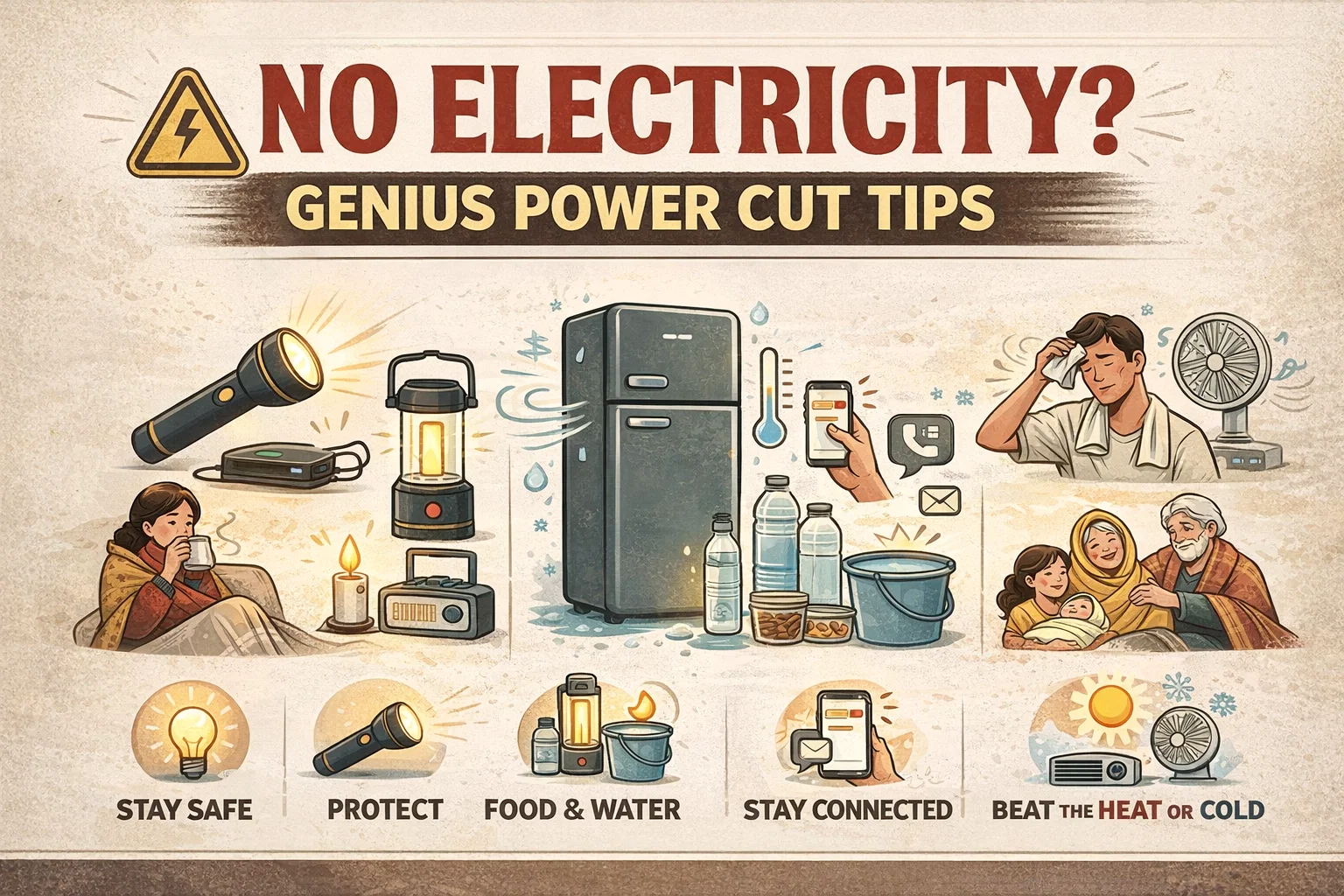
15 Genius Power Cut Tips Survival Guide What To Do When There Is No Electricity
Imagine the sudden click of a light switch that does nothing. The hum of the refrigerator fades into an eerie silence, and the glowing screens that usually dominate our lives go dark. A power outage can feel like a sudden leap back in time, leaving us feeling vulnerable and disconnected. However, being without electricity does not have to mean being without a plan. With the right mindset and a few genius hacks, you can turn a potentially stressful situation into a manageable, even cozy, experience for your entire household.
Preparation is the bridge between panic and peace of mind. Whether the grid is down due to a summer storm or a winter blizzard, knowing how to manage your resources is essential. From protecting your food supply to maintaining your body temperature, every small action counts toward keeping your family safe and comfortable until the utility companies can restore service. Let us dive deep into the ultimate survival guide for those moments when the world goes dark.
Immediate Steps to Stay Safe and Secure
The first few minutes of a power cut are the most critical. Your primary goal is to establish a safe environment before natural light fades completely. Instead of reaching for wax candles, which pose a significant fire hazard in confined spaces, reach for modern technology. LED torches and rechargeable lanterns provide bright, consistent light without the risk of an open flame. It is a great idea to keep these in a designated spot that every family member can find even in total darkness.
One often overlooked safety step is protecting your expensive electronics. When power is restored, it often comes back with a massive surge that can fry the internal circuits of computers, televisions, and gaming consoles. Go through your home and physically unplug sensitive devices. Leave one lamp turned on so you have a visual signal for when the power has successfully returned, but keep the rest of your gear disconnected from the wall outlets.
The Power of the Portable Bank
In our modern age, a dead phone is more than an inconvenience; it is a safety risk. A fully charged power bank is your best friend during an outage. If you know a storm is coming, make it a habit to top off all your portable chargers. Use these strictly for essential communication. If you find yourself with limited battery life and no way to recharge, switch your phone to low power mode immediately and close all background applications. Using SMS text messages instead of voice calls can also save a significant amount of energy while keeping your loved ones informed of your status.
Protecting Your Food and Water Supply
Your refrigerator is essentially a giant insulated box. As long as you keep the doors tightly sealed, it can maintain a safe temperature for about four hours. The freezer is even more resilient, often keeping food frozen for 24 to 48 hours if it is full and left unopened. Every time you peek inside to check on your snacks, you let out precious cold air and accelerate the spoiling process. If the outage lasts longer than a few hours, consider moving highly perishable items like milk or meat into a dedicated cooler filled with ice.
Water is another major concern, especially for those who rely on electric pumps for their well water. If you have advance warning of a power cut, fill your bathtub and several large buckets with water. This supply can be used for flushing toilets or basic hygiene. For drinking, always keep a secondary stash of bottled water or a large filtered dispenser ready to go. Keeping a stock of dry, shelf stable snacks like crackers, nuts, and granola bars ensures that you can stay nourished without needing to open the fridge or use a microwave.
Beating the Cold During Winter Outages
When the heat goes out in the middle of winter, the temperature inside your home can drop surprisingly fast. The key to staying warm is heat retention. Close the doors and windows to every room you are not using. By isolating the family to one central living space, you can use collective body warmth to keep the ambient temperature higher. Hanging thick blankets or towels over windows and at the base of doors can also prevent drafts from stealing your precious warmth.
Personal insulation is just as important as home insulation. Instead of one heavy coat, wear several layers of loose, lightweight clothing. This traps air between the layers, which acts as a powerful insulator. Do not forget your extremities; warm socks, hats, and gloves are essential because your body loses heat rapidly through your head and feet. If you have a way to heat water safely, such as a gas stove or a camping burner used outdoors, filling hot water bottles to tuck under blankets can provide hours of localized warmth.
Sipping for Warmth
Drinking warm liquids is a fantastic way to raise your core body temperature from the inside out. Herbal teas and warm broths are excellent choices because they keep you hydrated while providing a comforting heat. Avoid excessive caffeine or alcohol, as these can actually interfere with your body’s ability to regulate its temperature correctly. Taking a moment to sit together and share a warm drink can also serve as a great morale booster for children who might be feeling anxious about the dark.
Staying Cool and Ventilated in the Heat
Conversely, a power outage during a summer heatwave presents a different set of challenges. Without air conditioning or electric fans, a home can quickly become a sauna. To stay cool, focus on your pulse points. Placing a damp, cool cloth on your neck, wrists, or the back of your knees can help lower your overall body temperature. Wear loose, breathable cotton clothing to allow for maximum airflow against your skin.
Ventilation is your best defense against stagnant, hot air. During the day, keep curtains closed on the sunny side of the house to block out radiant heat. Once the sun goes down and the outside air cools, open windows on opposite sides of the house to create a cross breeze. Staying hydrated is non-negotiable in the heat. Even if you are not thirsty, sip water regularly to prevent heat exhaustion, and keep a close eye on infants and elderly family members who are most at risk during extreme temperatures.
Maintaining Connection and Mental Well-being
The psychological impact of a long term power outage is often underestimated. Silence can be heavy, and the lack of digital entertainment can lead to boredom or anxiety. This is the perfect time to rediscover the joys of analog entertainment. Board games, decks of cards, and reading by flashlight can turn a stressful night into a family bonding experience. It is important to stay calm and maintain a positive attitude, as children will look to the adults for cues on how to react to the situation.
If you have a battery powered radio, keep it tuned to local news stations for updates on the outage and weather conditions. Knowing that the utility crews are working on the problem can provide a sense of relief. If you must venture outside, be mindful of your surroundings. Never touch downed power lines and be aware that traffic signals may be out, requiring extra caution while driving. If the daytime hours are clear and safe, getting a bit of natural sunlight can help regulate your mood and provide a much needed change of scenery from a darkened house.
A Checklist for Your Emergency Kit
The best time to prepare for a power outage is long before it happens. Building a dedicated “Blackout Box” ensures that you are never scrambling in the dark. This kit should be stored in an easy to reach location and checked every few months to ensure batteries are fresh and supplies are topped up. Having everything in one place reduces stress and allows you to react quickly when the lights go out.
- High Quality LED Flashlights: One for every member of the household, plus extra batteries.
- Rechargeable Lanterns: Great for illuminating entire rooms during dinner or game time.
- Portable Power Banks: Keep these charged at all times to ensure your phone stays alive.
- First Aid Kit: Basic medical supplies for minor injuries that might happen in the dark.
- Non-Perishable Food: A three day supply of canned goods, dried fruits, and energy bars.
- Manual Can Opener: Because your electric one will not work!
- Bottled Water: At least one gallon per person per day.
- Thermal Blankets: Lightweight and highly effective at trapping body heat.
The Value of Community and Cooperation
During extended outages, neighbors become your most valuable resource. Checking in on those who live alone or may have special medical needs is a hallmark of a strong community. You might find that one neighbor has a gas stove while another has a large supply of firewood. By pooling resources and information, everyone can stay safer and more comfortable. Sharing a meal or simply chatting over a fence can break the isolation that often accompanies a blackout.
Always remember that power outages are temporary. While they are inconvenient, they serve as a potent reminder of how much we rely on modern infrastructure and the importance of being self reliant. By following these genius power cut tips, you are not just surviving the darkness; you are mastering it. You are ensuring that your home remains a sanctuary of safety and warmth, no matter what is happening with the electric grid outside.
Conclusion and Final Thoughts
No one likes to be left in the dark, but with a little bit of foresight and the right strategy, a power outage can be handled with ease. From the simple act of keeping the freezer door closed to the proactive step of charging your power banks, your actions dictate your experience. Focus on safety first, then comfort, and finally, look for the silver lining of a quieter, slower pace of life for a few hours. The next time the lights flicker and fade, you will not feel a moment of worry because you have the tools and knowledge to handle whatever comes your way. Stay safe, stay warm, and keep those flashlights handy!