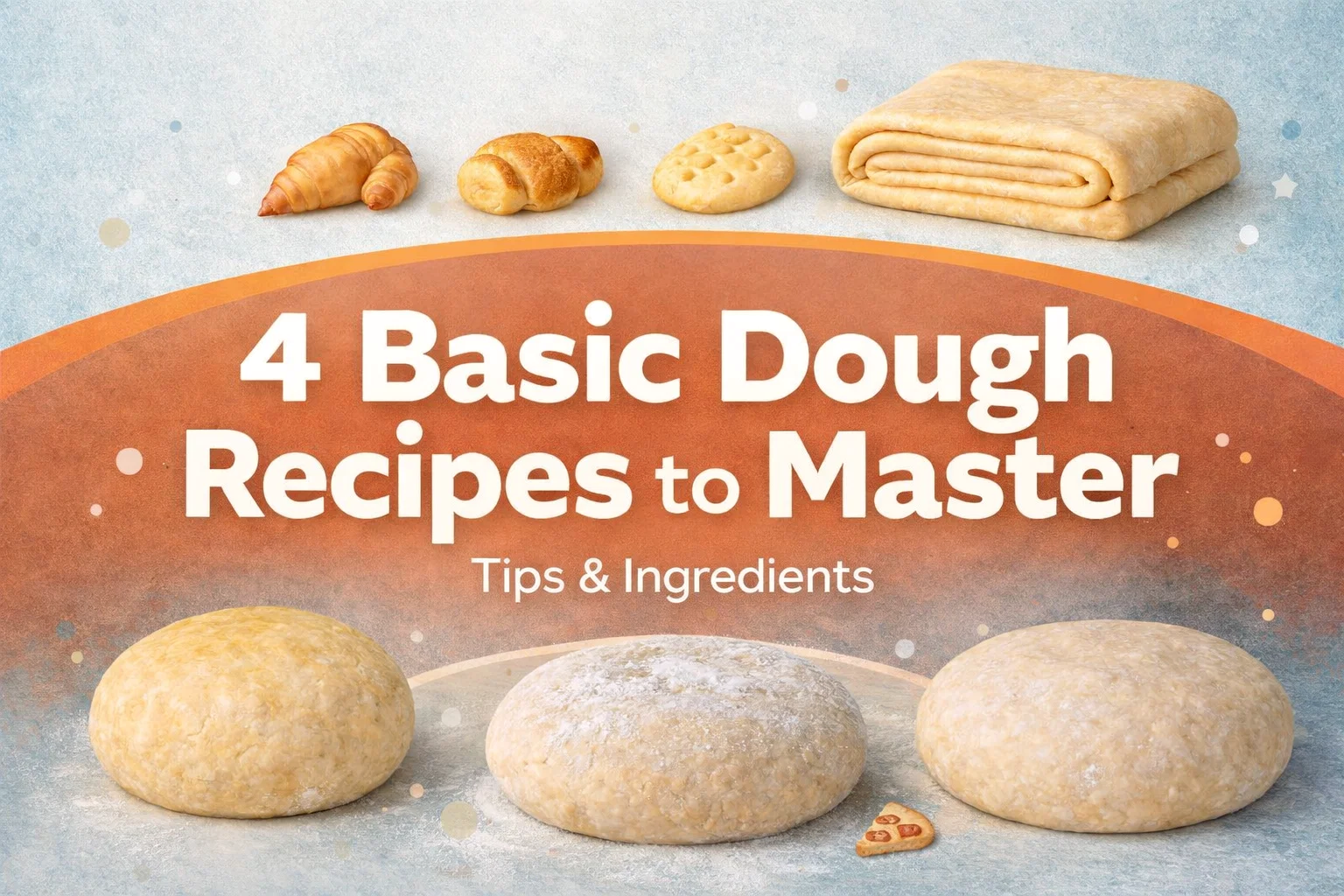
Ricette 4 Impasti Base Pasta Frolla, Brisée, Pane e Pizza
There is something undeniably magical about transforming a few humble ingredients into a spectacular homemade dough. If you have ever felt intimidated by the thought of baking from scratch, you are absolutely not alone. However, mastering the basics is much easier than you might think. Today, we are going to explore the four essential Italian doughs that every home cook and baker absolutely must know. These foundational recipes will unlock a world of culinary possibilities right in your own kitchen. From the buttery, flaky crust of a savory tart to the perfectly chewy bite of an authentic homemade pizza, understanding these four core mixtures will completely elevate your recipe repertoire and bring the authentic taste of Italy to your dining table.
Baking is often described as a science, and that is completely true. But it is also a highly sensory art form. By learning these four specific preparations, you will learn how dough is supposed to feel, how it responds to temperature, and how time develops incredible flavor. Let us dive into the essential ingredients and techniques for Pasta Brisée, Pasta Frolla, bread dough, and pizza dough.
Mastering Pasta Brisée for Savory Tarts and Pies
We begin our culinary journey with Pasta Brisée. This is a classic, incredibly versatile dough that serves as the absolute best foundation for countless savory dishes. Known for its delicate and flaky texture, it is the ideal canvas for rich quiches, rustic vegetable galettes, and hearty meat pies. Unlike traditional American pie crusts, Pasta Brisée is remarkably sturdy yet still melts in your mouth.
The Golden Ratio of Ingredients
To create the perfect Pasta Brisée, you only need four basic ingredients. The traditional recipe requires:
- 300 grams of flour
- 150 grams of cold butter
- 80 milliliters of water
- 1 teaspoon of salt
This precise ratio ensures that the dough remains structurally sound while delivering a beautifully tender crumb. The secret to success here lies entirely in the temperature of your ingredients.
The Importance of Temperature and Resting
When making Pasta Brisée, heat is your biggest enemy. Your butter must be exceptionally cold. When cold butter is cut into the flour, it creates tiny, distinct pockets of fat. As the dough bakes in a hot oven, the water inside those little pockets of butter evaporates and turns into steam. That steam pushes the layers of dough apart, which is exactly what creates that highly coveted flaky texture.
Once you have brought the dough together, it is crucial not to overwork it. Kneading it too much will develop the gluten in the flour, resulting in a tough and chewy crust rather than a delicate one. After mixing, you must wrap the dough tightly and let it rest in the refrigerator for at least 30 minutes. This resting period allows the gluten strands to relax and gives the flour time to fully hydrate, making the dough much easier to roll out without shrinking in the pan.
Creative Uses and Storage
Pasta Brisée is fantastic for meal prep. You can make a double batch and freeze one half for up to three months. When you are ready to bake, simply thaw it overnight in the fridge. Try using this dough to make a classic Spinach and Gruyere Quiche, or use it to encase a beautiful beef Wellington. The savory, buttery notes will complement almost any filling you choose.
Pasta Frolla: The Secret to Italian Sweets
Next on our list is the beloved Pasta Frolla. If you have ever enjoyed a classic Italian fruit tart, a jam-filled crostata, or crisp, buttery biscotti, you have experienced the magic of Pasta Frolla. This is a sweet shortcrust pastry that is rich, incredibly crumbly, and wonderfully fragrant.
Essential Ingredients for Sweet Perfection
The ingredient list for Pasta Frolla is slightly different from its savory cousin, introducing sugar and egg yolks to completely change the texture and flavor profile. You will need:
- 300 grams of flour
- 150 grams of butter
- 120 grams of sugar
- 2 egg yolks
- 1 pinch of salt
Achieving the Perfect Crumb
The addition of sugar and egg yolks transforms the dough into something rich and cookie-like. The egg yolks add fat and act as a binder, giving the baked pastry a beautiful golden color and a remarkably tender bite. Just like with Pasta Brisée, you want to avoid over-mixing. You are looking for a sandy texture before bringing it together into a smooth ball.
A 30-minute resting period in the refrigerator is completely non-negotiable for Pasta Frolla. The butter needs to firm up, and the sugar needs time to dissolve slightly into the moisture of the yolks. If you try to roll out warm Pasta Frolla, it will tear, stick to your counter, and cause endless frustration. Patience is truly a virtue in the pastry kitchen.
Flavor Variations to Try
While the basic recipe is stellar on its own, Pasta Frolla is highly adaptable. You can easily customize the flavor by adding the zest of an organic lemon or orange directly into the flour mixture. A teaspoon of high-quality vanilla extract or a dash of cinnamon can also elevate the final product. Use this dough to create beautiful lattice-topped jam tarts, miniature fruit tartlets filled with pastry cream, or simple cut-out cookies for your afternoon coffee.
Baking Artisan Loaves with Impasto per il Pane
Moving away from pastries, we enter the wonderful world of yeast doughs. Impasto per il Pane simply translates to bread dough. There is absolutely nothing quite like the smell of fresh bread baking in your own oven. This foundational recipe will teach you the fundamentals of yeast fermentation and gluten development.
The Simple Magic of Bread Ingredients
True artisan bread requires only the most basic pantry staples. The magic happens through time and technique. For a perfect daily loaf, you will gather:
- 500 grams of flour
- 4 grams of dry yeast
- 300 milliliters of warm water
- 8 grams of salt
The Science of Yeast and Fermentation
The key to incredible bread is understanding your yeast. The 300ml of water should be warm to the touch, but never hot. If the water is too hot, it will instantly kill the yeast, and your bread will resemble a brick. The yeast feeds on the natural sugars present in the flour, producing carbon dioxide gas. This gas gets trapped in the stretchy gluten network you create while kneading, causing the bread to rise.
This specific recipe calls for an 8-hour lievitazione, or rising time. This long, slow fermentation is the absolute secret to developing deep, complex flavors and a beautifully airy crumb structure. While you could technically rush the process with more yeast and a warmer environment, allowing the dough to rise slowly over 8 hours transforms the wheat, making it easier to digest and incredibly flavorful.
Baking for the Perfect Crust
After the long rise, shaping the dough creates surface tension, which helps the loaf spring up in the oven rather than spreading out flat. To achieve that bakery-quality crust, you need steam. Try baking your loaf inside a preheated Dutch oven for the first 20 minutes, then remove the lid to let the crust turn a deep, golden brown. The resulting bread will have a crackly, shattering crust and a soft, chewy interior perfect for soaking up olive oil or making robust sandwiches.
Crafting the Perfect Impasto per la Pizza
Finally, we arrive at what might be the most exciting dough of all: Impasto per la Pizza. A great pizza is entirely dependent on its crust. If you master this dough, you will never want to order delivery pizza ever again. This recipe is designed to give you a crust that is crispy on the bottom, airy in the crust, and incredibly flavorful.
The Authentic Pizza Dough Formula
Authentic Italian pizza dough is slightly different from standard bread dough. It typically requires higher hydration and a different type of yeast for the best results. The perfect pizza base requires:
- 500 grams of flour
- 320 milliliters of room temperature water
- 10 grams of salt
- 3 grams of brewer’s yeast (lievito di birra)
Hydration and the Long Proof
You will notice that this recipe calls for 320ml of water, which makes it a slightly higher hydration dough compared to the bread recipe. This extra moisture is exactly what creates those massive, beautiful bubbles in the outer crust of your pizza. Working with wetter dough can be slightly tricky at first, but resisting the urge to add too much extra flour during kneading will reward you with a much lighter final product.
The standout feature of this pizza dough is the impressive 12-hour rising time. This extended resting period is common in traditional pizzerias across Italy. By using a very small amount of brewer’s yeast and allowing it to work slowly at room temperature over half a day, the dough develops a spectacular, slightly tangy flavor profile. It also makes the dough incredibly extensible, meaning it will stretch out beautifully without snapping back like a rubber band.
Shaping and Baking Tips
When it is time to make your pizzas, absolutely never use a rolling pin. A rolling pin will crush all those wonderful air bubbles you just spent 12 hours developing. Instead, use your fingertips to gently press the dough out from the center, leaving a slightly thicker border around the edge. Bake the pizza in the hottest oven you can possibly manage, ideally on a preheated pizza stone or baking steel. The intense burst of heat will cause the crust to puff up instantly, giving you that authentic, blistered texture.
Bring the Italian Bakery to Your Kitchen
Learning to make your own dough from scratch is one of the most rewarding skills you can possibly develop in the kitchen. By mastering Pasta Brisée, Pasta Frolla, classic bread dough, and authentic pizza dough, you are setting yourself up for a lifetime of spectacular baking. Remember that practice is key. Pay attention to how the dough feels on different days, as humidity and room temperature will always play a role in your results. Do not be afraid to get your hands messy. Gather your ingredients, clear off your countertops, and start experiencing the immense joy of homemade Italian baking today.