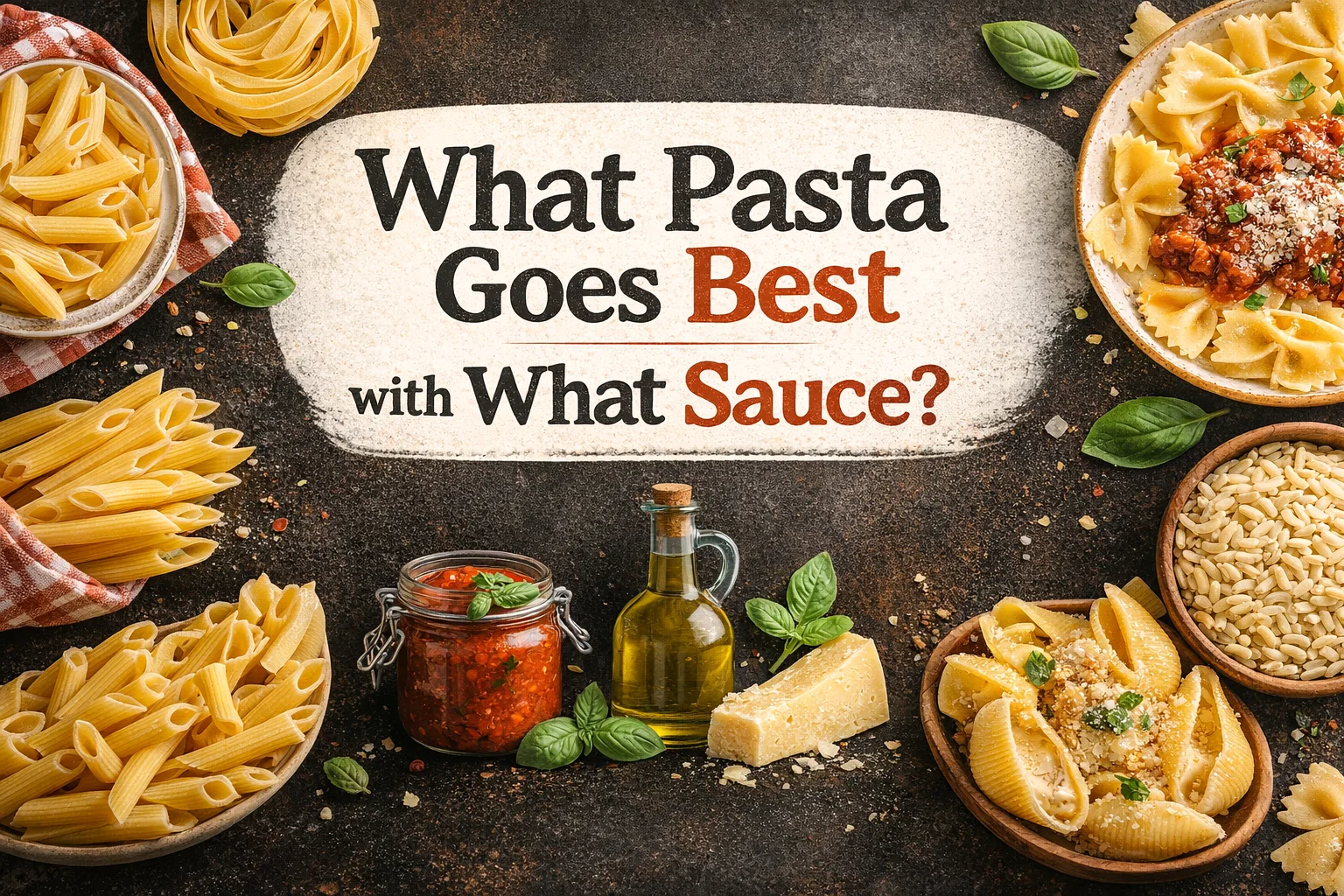
Ultimate Guide to Pasta and Sauce Pairings Easy Cooking Cheat Sheet Recipe Tips
Have you ever sat down at a traditional Italian trattoria, twirled a forkful of pasta, and wondered why the sauce seemed to cling so perfectly to every single ridge? It is not just magic or high-quality ingredients. It is the science of the pairing. Most home cooks reach for whatever box of pasta is sitting in the back of the pantry, but the shape of your noodle is actually the most important architectural decision you will make for your dinner. The right pairing can transform a simple meal into a culinary masterpiece, while the wrong one can leave your sauce pooled at the bottom of the bowl, leaving your pasta dry and lonely. Understanding the relationship between texture, surface area, and gravity is the secret to elevating your kitchen game from amateur to artisanal.
The Architecture of Pasta: Why Shape Matters
To understand pasta, you have to look at it like an engineer. Every curve, hole, and ridge on a piece of pasta is designed with a specific purpose. Some are meant to be little cups that hold chunky vegetables or ground meat, while others are designed to be slick and smooth to let light oils glide over them. If you put a heavy, chunky Bolognese on a thin strand of capellini, the meat will simply fall off, and you will end up eating plain noodles followed by a pile of meat at the end. That is a structural failure. By matching the weight and texture of your sauce to the physical characteristics of the pasta, you ensure that every single bite contains the perfect ratio of starch to flavor.
The Power of the Pore and the Ridge
When you look at pastas like penne or fusilli, you will notice they often have tiny lines running down the sides. In the culinary world, these are called rigate. These ridges act like Velcro for your sauce. They increase the surface area of the pasta, allowing thinner sauces to stick rather than sliding off. Conversely, smooth pasta (lisce) is often better suited for silkier, dairy-based sauces that coat the entire surface evenly. When you choose your pasta, always run your finger over it. If it feels rough, it is ready to grab onto something hearty. If it is smooth, keep the sauce light and elegant.
Tube Pastas: The Best Friends of Hearty Sauces
Penne is perhaps the most versatile shape in the modern kitchen, but it shines brightest when paired with chunky, textured accompaniments. Because penne is hollow, it acts as a vessel. When you toss it with a thick sauce, the pieces of meat, onion, or pepper actually crawl inside the tube. This creates a “flavor bomb” effect where the sauce is literally trapped inside the pasta. This is why penne is the gold standard for Bolognese or chunky vegetable marinara.
Baked Pasta and Structural Integrity
Beyond just holding sauce, tube pastas like penne and rigatoni are essential for baked dishes. When you put pasta in the oven under a layer of cheese, it needs to be sturdy enough to withstand the extra cooking time without turning into mush. The thick walls of these tubular shapes hold their form, providing a satisfying “al dente” bite even after twenty minutes of bubbling in the oven. If you are planning a cheesy pasta bake, skip the delicate shapes and go for the tubes.
Spirals and Screws: Capturing Every Drop
Fusilli, often called corkscrew pasta, is the ultimate “catcher.” Its twisted shape creates a massive amount of surface area in a very small package. These spirals are perfect for thicker sauces that aren’t necessarily chunky but have a lot of body, such as a thick pesto or a rich four-cheese sauce. The sauce gets wound into the spirals, ensuring that it doesn’t just drip away when you lift your fork.
The Ideal Cold Salad Pasta
If you are heading to a summer barbecue, fusilli should be your go-to for pasta salad. Because pasta salad relies on a vinaigrette or a mayo-based dressing that can be slippery, the spiral shape is necessary to keep the dressing attached to the noodle while it sits in the fridge. It also pairs beautifully with small chopped additions like olives, feta, and diced cucumbers, which tend to nestle into the twists of the pasta for a cohesive bite.
Long and Lean: The Art of the Twirl
Spaghetti is the most iconic pasta in the world, yet it is frequently misunderstood. In many households, it is topped with heavy meatballs or thick meat sauces, but traditionally, long thin strands are meant for emulsified sauces. Think of olive oil, butter, or very smooth tomato marinara. The goal with spaghetti is to create a seamless coat around the strand. When you twirl the pasta, the friction of the smooth surfaces helps the sauce stay put through capillary action.
Linguine and the Seafood Connection
Linguine is like the sophisticated older sibling of spaghetti. It is flat rather than round, which gives it a bit more surface area to work with. This makes it the premier choice for clam sauce (Vongole) or shrimp scampi. The flatness allows it to carry the weight of small seafood pieces while still maintaining that elegant, twirlable quality. It also pairs exceptionally well with Alfredo sauce, as the cream coats the flat sides of the noodle more effectively than a round strand.
Shells: The Ultimate Flavor Scoops
Pasta shells, or conchiglie, come in various sizes, and each size dictates a completely different meal. The design is inspired by nature, and just like a real seashell, they are meant to hold things inside their “belly.”
- Large Shells: These are almost exclusively used for stuffing. You can fill them with ricotta, spinach, and herbs, then line them up in a tray for a beautiful baked presentation.
- Medium Shells: These are fantastic for chunky garden sauces or pasta salads where you want the peas or corn to get caught inside the shell.
- Small Shells: This is the secret to the best Mac and Cheese. The small opening of the shell sucks up the liquid cheese, creating a pocket of warmth that explodes when you bite down.
Orzo: The Pasta That Thinks It Is Grain
Orzo is often mistaken for rice, but it is 100 percent pasta. Because it is so small, it does not behave like traditional noodles. You cannot really “sauce” orzo in the traditional sense; instead, you treat it like a base. It is perfect for wine-based sauces or light lemon and olive oil dressings. Orzo is also the champion of the “cold salad” world, offering a delicate texture that pairs perfectly with fresh herbs like parsley and mint.
Orzo in Soups and Risotto-Style Dishes
Because of its size, orzo is a wonderful addition to brothy soups. It adds body without overwhelming the other ingredients. You can also cook orzo “risotto-style” by adding liquid slowly, which releases the starches and creates a creamy, velvety texture without needing heavy cream. It is the ultimate hack for a quick, sophisticated side dish.
Pesto and the Green Revolution
Pesto is a unique beast because it is an herb-and-oil-based paste. It requires a pasta with a lot of nooks and crannies. Farfalle (bowtie pasta) is a classic choice for pesto because the “pinch” in the middle of the bowtie provides a different texture than the wings. The pesto clings to the center and coats the edges, creating a varied eating experience. Fusilli is another top-tier choice for pesto for the same reasons mentioned earlier. The goal is to avoid long, flat pastas that might cause the pesto to clump together in an unappealing way.
Common Mistakes to Avoid
Even with the right pairing, you can ruin a dish with poor technique. One of the biggest mistakes people make is rinsing their pasta after cooking. When you rinse pasta, you wash away the starches that help the sauce stick. You want that starch! In fact, you should always save a splash of your pasta water. Adding a half-cup of that salty, starchy water back into your sauce as you toss it with the pasta creates an emulsion that acts like glue, binding the sauce and the noodle together in a beautiful union.
The “Drowning” Effect
Another common error is over-saucing. In Italy, the pasta is the star, and the sauce is the seasoning. If your pasta is swimming in a lake of liquid, you have lost the texture of the grain. Aim for a coating that is visible and flavorful but allows the shape of the pasta to remain the focal point of the plate. This is especially true for delicate shapes like orzo or farfalle.
Mastering the Art of Home Cooking
Becoming a better cook is not about memorizing a thousand recipes; it is about understanding the “why” behind the ingredients. Once you realize that a ridges catch meat and flats catch cream, you no longer need a guidebook. You can walk into any grocery store, look at the pasta aisle, and immediately know exactly what sauce you need to make for dinner. This knowledge gives you the freedom to experiment and create your own signature dishes based on the structural logic of Italian cuisine.
Conclusion: Your Path to Pasta Perfection
The journey to a perfect meal starts with a simple choice. By matching your pasta shape to the right sauce, you are respecting the heritage of the dish and ensuring the best possible flavor for your family and guests. From the hearty, sauce-trapping tubes of penne to the delicate, oil-slicked strands of spaghetti, every shape tells a story. Next time you are in the kitchen, take a moment to look at your pasta. Ask yourself what it is designed to do. Is it a scoop? Is it a ladder? Is it a vessel? When you answer that question, you are well on your way to a five-star dining experience right in your own home. So, grab your pot, salt your water like the sea, and get cooking. Your perfect pairing is waiting.
Would you like me to generate a specific recipe using one of these pairings or perhaps create a grocery list for a pasta-themed dinner party?