9 Habits for Longevity How to Stay Mobile and Healthy as You Age Wellness Tips
Think about your life at 75 years old. Do you see yourself moving with ease, playing with your grandchildren on the floor, and taking long walks through the park? Or do you see a version of yourself that is limited by physical fragility? Most of us assume that the way we age is purely down to genetics or luck, but the reality is that the foundation for your future mobility is being built right now. Every single day, your habits are either depositing strength into your physical bank account or withdrawing it through neglect. Longevity is not just about living longer; it is about maintaining the functional independence to enjoy those extra years. By focusing on specific, science-backed habits today, you can ensure that your body remains a reliable vessel for decades to come.
The Hidden Metric of Functional Age
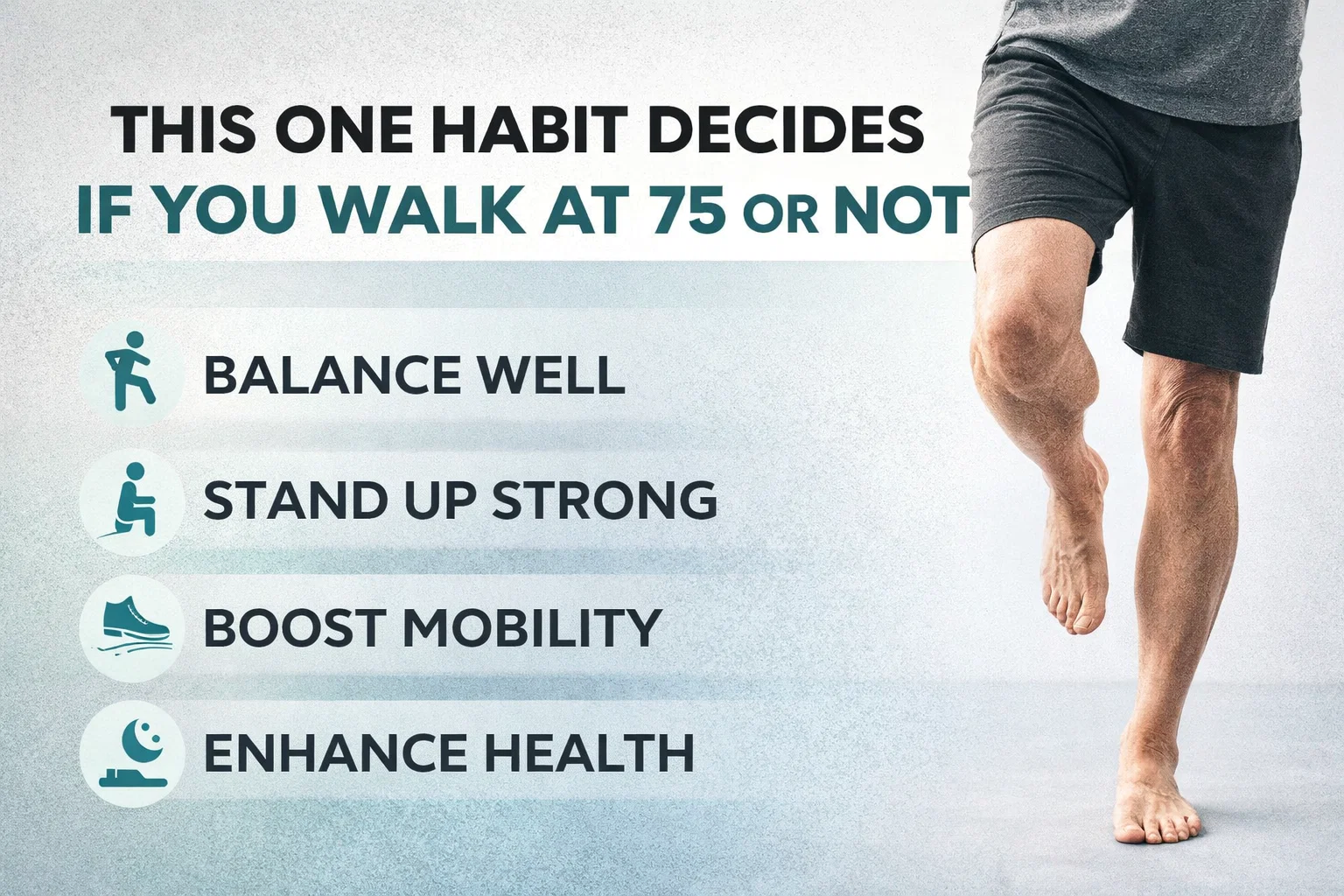
One of the most eye-opening ways to assess your current health is through your functional age. This is different from your chronological age because it measures how your body actually performs. A simple but profound test for this is your ability to balance on one leg. If you cannot maintain a single-leg stance for at least 30 seconds, it is a strong indicator that your neuromuscular system and core stability are aging faster than they should. Balance is a complex skill that requires coordination between your brain, inner ear, and muscles. When this system begins to fail, it increases the risk of falls, which are a leading cause of injury in older adults. By practicing balance daily, you are essentially telling your nervous system to stay sharp and responsive.
Redefining Strength Beyond Muscle Size
In our modern fitness culture, we often equate strength with the size of a person’s biceps or the weight they can bench press. However, true strength is functional. It is the ability to move your own body weight through space with control. One of the most critical markers of longevity is the ability to stand up from the floor without using your hands or knees for support. This movement requires a combination of leg strength, core stability, and joint flexibility. It is the ultimate expression of physical freedom. If you can get up from the ground easily, you possess the kind of power that translates to real-world independence. It means you can garden, play with pets, and navigate your home without fear of becoming stuck or needing assistance.
The Role of Lower Body Stability
While we often focus on big muscle groups like the glutes and quads, the smaller structures in our lower body play a massive role in our safety as we age. Weak ankles are a silent culprit behind many age-related falls. Your ankles are the primary stabilizers that keep you upright when you step on an uneven surface or trip over an obstacle. If the muscles and tendons around the ankle are brittle or weak, the body cannot recover from a stumble. Integrating simple heel raises into your daily routine is an easy way to build this essential stability. Whether you do them while brushing your teeth or waiting for your coffee to brew, these repetitions strengthen the calves and the supporting structures of the foot, creating a more resilient foundation for every step you take.
Reconnecting with Your Nervous System
Modern life has us encased in cushioned shoes from the moment we wake up until we go to bed. While footwear protects our feet, it also creates a sensory barrier between us and the ground. Our feet are packed with thousands of nerve endings designed to send constant feedback to the brain about our environment. When we wear shoes all day, we experience less sensory input, which can lead to a dulling of our proprioception. Walking barefoot, even just for a few minutes a day on different surfaces like grass or hardwood, helps wake up the nervous system. This practice improves your gait, strengthens the tiny muscles in the arches of your feet, and helps your brain maintain a better map of where your body is in space.
Breaking the Morning Stiffness Cycle
How you start your morning sets the tone for your physical health throughout the day. Many people have a habit of reaching for their phone the moment they wake up, scrolling through emails or social media while still lying in bed. This prolonged stillness in a slumped position actually stiffens the body. Your fascia and muscles have been resting for hours and they need movement to lubricate the joints and get blood flowing. Making a conscious choice to move first and scroll later can change your entire physical trajectory. A quick five-minute stretch or a short walk around the house before checking your notifications helps to undo the overnight stiffness and prepares your joints for the demands of the day.
Nutrition Timing for Muscle Preservation
As we cross the threshold of 40, our bodies begin to change how they process nutrients and maintain muscle mass. Sarcopenia, or age-related muscle loss, is a real threat to mobility. One of the most effective ways to combat this is by being intentional with your morning nutrition. Many people rely on coffee as their first intake of the day, but caffeine on an empty stomach can spike cortisol and delay the intake of vital nutrients. Consuming protein before your morning coffee ensures that your muscles have the amino acids they need to repair and maintain themselves. High-quality protein early in the day signals to your body that it is in a building state rather than a breaking-down state, which is crucial for staying strong as you age.
The Science of Sleep and Physical Repair
We often think of sleep as a luxury, but for longevity, it is a non-negotiable requirement. While the total number of hours matters, the timing of those hours is equally important. There is a significant biological difference between the sleep you get before midnight and the sleep you get after. Most of the body’s deep, restorative repair happens during the earlier part of the night. This is when growth hormones are released to fix micro-tears in muscle tissue and when the brain flushes out metabolic waste. Aiming to be in bed before 11 PM aligns your body with its natural circadian rhythm, maximizing the efficiency of these repair processes. Consistent, early sleep is one of the most powerful anti-aging tools at your disposal.
Consistency Over Intensity
The mistake many people make is thinking they need a grueling two-hour workout to stay healthy. In reality, mobility doesn’t disappear because you missed one gym session; it fades slowly through daily neglect. It is the small things you don’t do that eventually add up to a loss of function. Moving your joints through their full range of motion every day is far more beneficial than a weekend warrior approach to fitness. Think of your body like a hinge; if you don’t use it, it will eventually rust and become stuck. By committing to small, manageable daily habits, you ensure that your mobility remains fluid and your body remains capable of whatever life throws at it.
Creating a Sustainable Wellness Routine
Transitioning into a longevity-focused lifestyle doesn’t require an overnight overhaul of your entire existence. Instead, look for ways to stack these habits into your current lifestyle. You can practice your balance while you are on a phone call or do your heel raises while you wait for the microwave. The goal is to make these movements so automatic that they become a seamless part of your day. Wellness is not a destination you reach and then stop; it is a continuous journey of self-care and physical maintenance. When you prioritize these simple actions, you are making an investment in your future self that will pay dividends for years to come.
- Balance Training: Practice standing on one leg for 30 seconds daily.
- Ground Movement: Practice getting up from the floor without using your hands.
- Sensory Input: Spend at least 10 minutes walking barefoot on natural surfaces.
- Protein First: Eat a protein-rich snack or meal before your first cup of coffee.
- Sleep Hygiene: Aim to be asleep by 11 PM to maximize physical repair.
Conclusion: Your Future Self Will Thank You
The choices you make today are the blueprints for the person you will be in twenty, thirty, or forty years. Mobility is the currency of a high-quality life, and it is something you must actively protect. By focusing on balance, functional strength, ankle stability, and proper recovery, you are taking control of your aging process. Remember that your body is remarkably resilient and capable of improvement at any age. It is never too late to start strengthening your foundation and reclaiming your physical freedom. Start with one habit today, master it, and then add another. Your future self, at age 75 and beyond, will be grateful that you took the time to care for the only body you will ever have.