Natural Remedies for Tooth Infection Frankincense Essential Oil for Gum Pain Relief
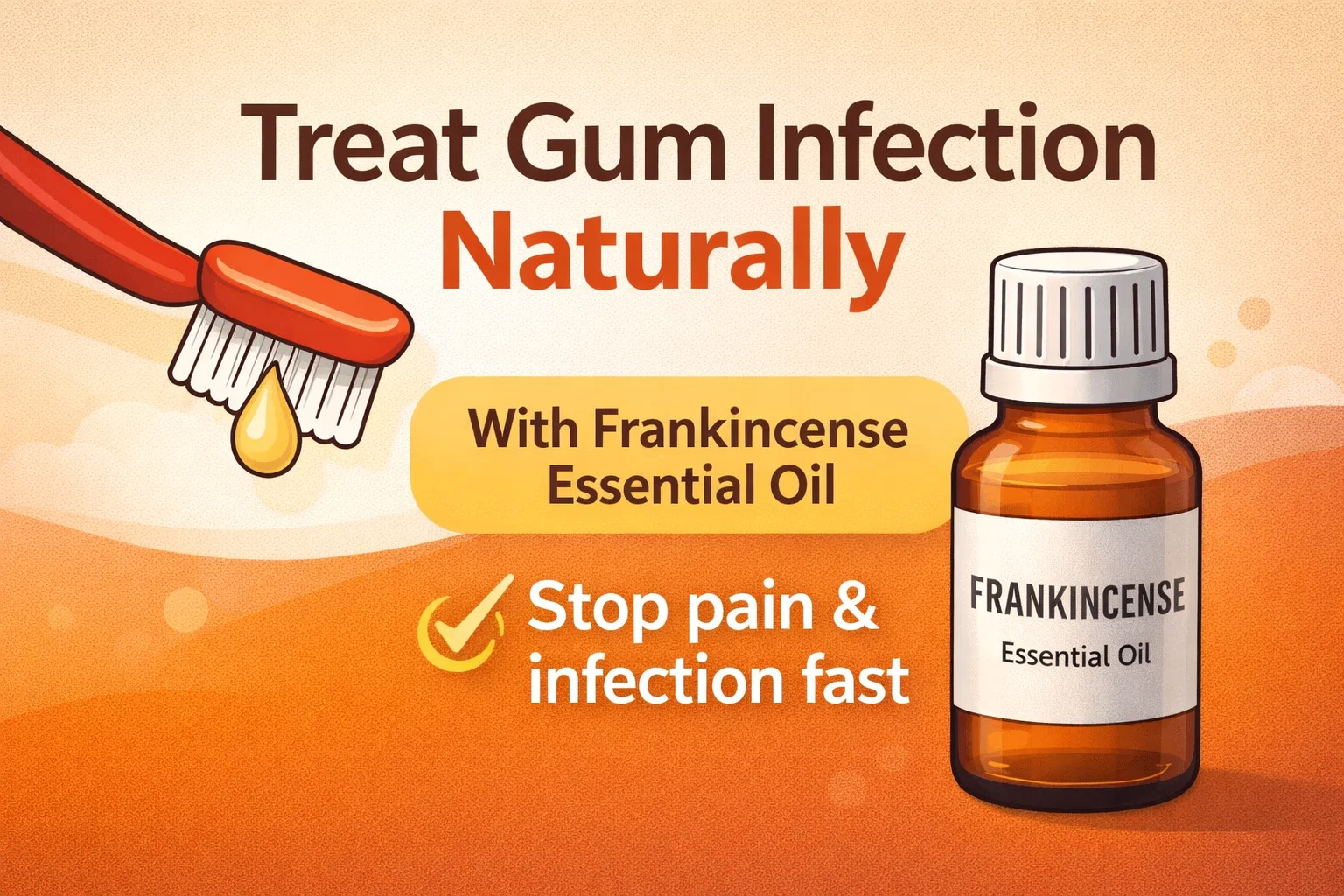
Discovering a natural way to manage oral discomfort can feel like finding a hidden treasure, especially when it involves something as time-tested and versatile as frankincense. We have all been there: a sudden twinge in a tooth or a tender spot on the gums that makes it hard to focus on anything else. While professional dental care is always the priority for serious issues, having a reliable, plant-based remedy in your wellness cabinet can provide immense relief and support your body’s natural healing process. The image shared today highlights a remarkably simple yet potent technique using just one drop of frankincense essential oil on a dry toothbrush to target infection and pain directly at the source.
The Power of Frankincense in Oral Care
Frankincense, often referred to as the King of Oils, has been prized for thousands of years for its medicinal properties. Extracted from the resin of the Boswellia tree, this essential oil is packed with compounds that offer significant anti-inflammatory and antiseptic benefits. When it comes to your mouth, these properties are incredibly valuable. The oral environment is a complex ecosystem where bacteria can quickly lead to inflammation, known as gingivitis, or more localized infections like abscesses.
Why Frankincense Works for Teeth and Gums
The primary reason frankincense is so effective for dental distress lies in its ability to soothe inflamed tissues while simultaneously acting against harmful pathogens. Unlike many over the counter numbing agents that simply mask the pain, frankincense works to calm the underlying irritation. It contains boswellic acids which are known to inhibit the enzymes that cause swelling and redness in the gums. By applying it directly to the affected area, you are delivering these healing compounds exactly where they are needed most.
How to Use the Dry Brush Technique
The method shown in the image is specific and intentional. You might wonder why a dry toothbrush is recommended over a wet one. Using a dry brush ensures that the essential oil remains concentrated and adheres better to the bristles, allowing for a more targeted application. When the bristles are wet, the oil can bead off or become too diluted to provide the maximum therapeutic effect on the specific tooth or gum line that is causing trouble.
Step by Step Application
- Select a High Quality Oil: Ensure you are using a therapeutic grade, pure frankincense essential oil. Because this is going in your mouth, purity is non negotiable.
- The Single Drop Rule: Essential oils are highly concentrated. One single drop is all you need to cover the area effectively without overstimulating the sensitive mucosal lining of your mouth.
- Targeted Brushing: Use the dry bristles to gently “paint” or brush the oil onto the painful gum or tooth. Do not scrub hard; the goal is contact, not deep cleaning in this specific moment.
- Wait and Rinse: Allow the oil to sit on the area for a minute or two before rinsing your mouth with warm water or simply letting your saliva naturally disperse it.
Understanding the Benefits of Natural Antiseptics
In a world where we often reach for synthetic chemicals first, returning to botanical solutions can offer a gentler experience for the body. Natural antiseptics like frankincense help to maintain the balance of the oral microbiome. While harsh alcohol based mouthwashes might kill all bacteria, including the good kind, essential oils often work more harmoniously with your body’s natural defenses.
Reducing Inflammation Naturally
Inflammation is the body’s way of signaling that something is wrong, but chronic or intense swelling in the gums can actually prevent the healing process from starting. By using frankincense to bring down that swelling, you allow blood flow to return to the area more normally, which brings oxygen and nutrients necessary for repair. This is why many people report that their pain stops almost immediately after application; the pressure from the inflammation is being relieved.
Complementary Habits for a Healthy Smile
While the frankincense trick is a fantastic “in the moment” remedy, it works best when paired with a holistic approach to dental hygiene. Your mouth is the gateway to your overall health, and keeping it in top shape requires a variety of daily habits that go beyond just brushing and flossing.
Oil Pulling for Deep Cleansing
If you enjoy the benefits of essential oils, you might consider adding oil pulling to your morning routine. Swishing a tablespoon of coconut oil mixed with a drop of frankincense or peppermint for ten to fifteen minutes can help draw out toxins and further reduce the bacterial load in your mouth. This practice complements the targeted dry brush method by providing a whole mouth detox.
Nutrition and Gum Health
What you eat plays a massive role in how well your gums can fight off infection. Diets high in Vitamin C and CoQ10 are particularly beneficial for strengthening the connective tissues in your mouth. If you find yourself dealing with frequent gum sensitivity, look at your intake of leafy greens, citrus fruits, and healthy fats. These nutrients provide the building blocks your body needs to keep your smile resilient.
Safety Considerations and Best Practices
Using essential oils is a powerful way to manage wellness, but it must be done with respect for the potency of the plants. Since frankincense is a “warm” oil, most people tolerate it well, but everyone’s sensitivity is different. If you have never used frankincense before, you might want to do a small patch test on your skin or dilute the single drop with a tiny bit of carrier oil like coconut oil before applying it to your gums.
When to See a Dentist
It is important to remember that while natural remedies are excellent for support and minor irritations, they are not a substitute for professional medical advice. If you have a high fever, visible swelling in the cheek, or a toothache that prevents sleep, please consult a dentist immediately. These can be signs of a deeper infection that requires clinical intervention. Use frankincense as a supportive tool alongside your regular dental checkups.
The Spiritual and Emotional Side of Frankincense
Part of what makes using frankincense so special is the aromatic experience. For centuries, this scent has been used to ground the mind and reduce stress. When you are in pain, your stress levels naturally spike, which can actually make the sensation of pain feel more intense. As you brush the oil onto your teeth, take a few deep breaths. The calming aroma of the frankincense can help shift your nervous system into a state of rest and repair, making the healing process even more effective.
Creating a Ritual of Care
Instead of viewing dental pain as a nuisance, try to view these moments as a call to slow down and care for yourself. Turning a remedy into a mindful ritual changes the energy of the healing. By choosing a high quality oil and applying it with intention, you are participating in a tradition of natural healing that spans generations.
Conclusion: Embracing Nature’s Cabinet
The simplicity of putting one drop of frankincense on a toothbrush is a perfect example of how accessible natural health can be. It does not always require complicated recipes or expensive equipment to make a difference in how you feel. By leaning into the antiseptic and anti-inflammatory power of essential oils, you can take an active role in managing your oral comfort and long term health. Whether you are dealing with a minor gum irritation or just want to boost your hygiene routine, frankincense is a must have ally for a healthy, happy mouth. Keep this tip in your back pocket for the next time you need a little extra support from the plant kingdom.