Easy 5-Ingredient Homemade Apple Cinnamon Jam Recipe Perfect for Toast Toppings
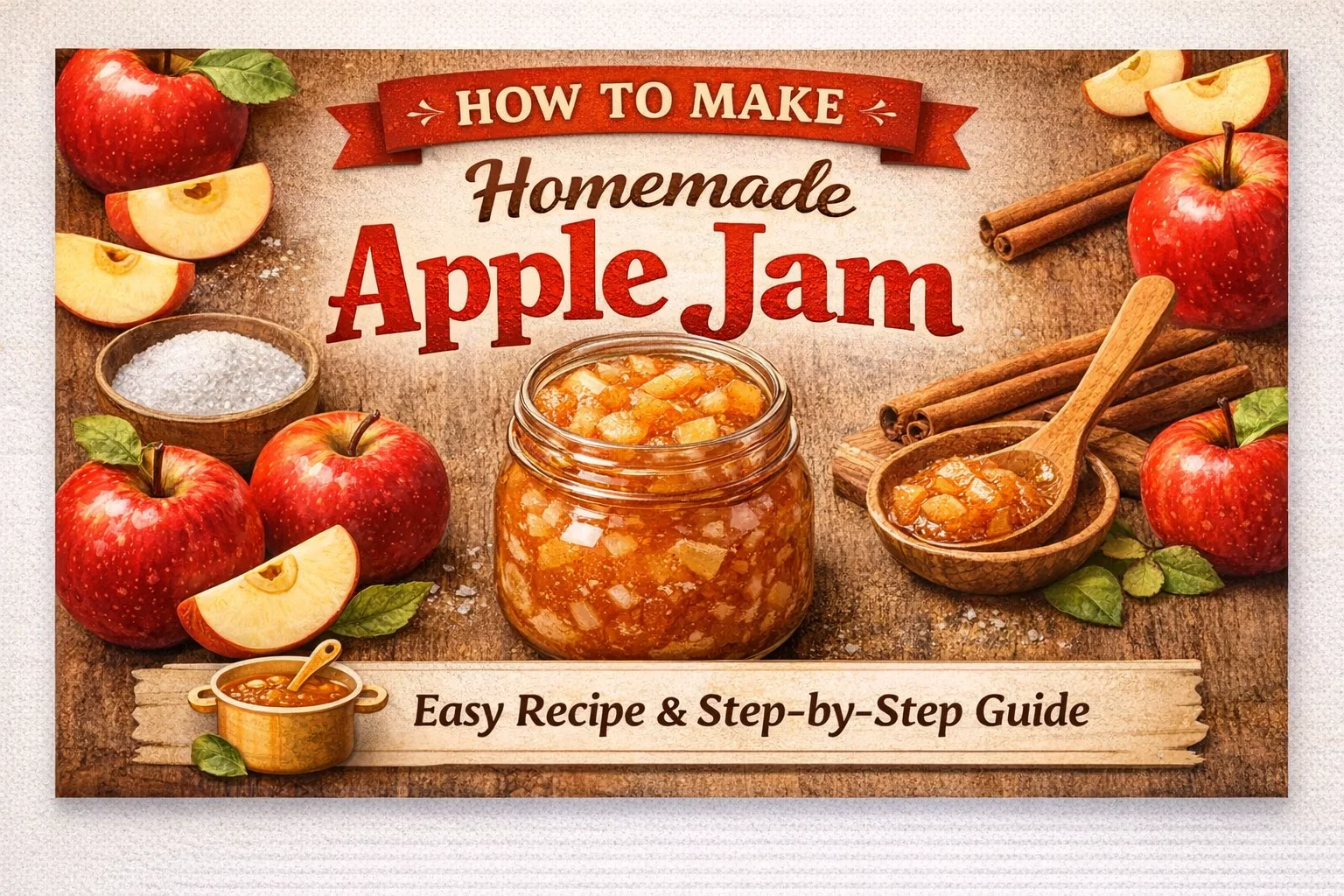
There is nothing quite like the aroma of simmering apples and cinnamon wafting through a cozy kitchen. It is the quintessential scent of home, comfort, and the changing seasons. While store-bought jams are convenient, they often lack the vibrant, chunky texture and deep, spiced profile of a true homemade preserve. This simple, five-ingredient apple jam is designed to bring that rustic, artisanal quality to your breakfast table without the need for complex canning equipment or hours of labor.
Making your own jam can feel intimidating if you have never tried it before, but apples are the perfect starter fruit. They are naturally high in pectin, the substance that helps jam set, meaning you can achieve a thick, spreadable consistency with just a few basic pantry staples. Whether you have a surplus from a weekend at the orchard or just a few lingering fruits in your crisper drawer, this recipe transforms humble ingredients into a golden, spiced spread that elevates everything from morning toast to evening desserts.
The Magic of Five Ingredients: Why Simplicity Wins
The beauty of this recipe lies in its minimalism. By focusing on just five core components, the natural flavor of the fruit remains the star of the show. Many commercial jams are loaded with high-fructose corn syrup and artificial preservatives that mask the delicate tartness of the apple. When you make it yourself, you control the quality and the balance of flavors.
- Fresh Apples: The foundation of the jam. Using a mix of sweet and tart varieties adds complexity to the final taste.
- Granulated Sugar: Not just for sweetness, sugar acts as a preservative and works with the fruit’s natural pectin to create the perfect “gel” set.
- Lemon Juice: The acidity in the lemon juice is crucial. It balances the sugar and ensures the pectin molecules bond together correctly.
- Ground Cinnamon: This provides that classic, warm spice profile that makes apple recipes so nostalgic.
- Water: A small amount helps soften the apples initially before they release their own juices during the cooking process.
Choosing the Best Apple Varieties for Jam
Not all apples are created equal when it comes to cooking. For a jam that has a bit of texture and a balanced flavor, you want to choose varieties that hold their shape reasonably well but soften enough to be mashed. Granny Smith apples are a fantastic choice because their high acidity and tartness contrast beautifully with the added sugar. Honeycrisp or Fuji apples add a lovely floral sweetness and a crisp bite.
If you prefer a smoother, more butter-like consistency, you might lean toward softer varieties like McIntosh or Golden Delicious. However, for a rustic, chunky jam like the one featured in our guide, a blend of one tart variety and one sweet variety usually yields the most professional and delicious results. Always look for firm fruit without soft spots or bruising to ensure your jam stays fresh for as long as possible.
Step-by-Step Guide to Perfect Homemade Apple Jam
The process of making this jam is therapeutic and straightforward. It requires minimal active prep time, leaving the stove to do most of the heavy lifting. Following these steps ensures a consistent set and a flavor that develops beautifully as it simmers.
Preparing Your Fruit
Start by peeling, coring, and finely chopping your apples. The size of the dice will determine the final texture of your jam. If you like a very chunky, marmalade-style spread, keep the pieces around half an inch. For a more traditional spread, a finer dice is better. Once your four cups of apples are ready, place them immediately into a large, heavy-bottomed pot. Adding the lemon juice right away prevents the apples from browning and starts the maceration process.
The Simmering Process
Combine the sugar, cinnamon, and water with your apples in the pot. Turn the heat to medium and stir until the sugar has completely dissolved. As the mixture heats up, the apples will begin to release their moisture, creating a bubbling, syrupy base. It is important to stir often during this phase to prevent the sugar from scorching on the bottom of the pot. You want a steady, gentle bubble rather than a violent boil.
After about 25 to 30 minutes, you will notice a significant change. The liquid will reduce and become glossy, and the apple pieces will turn translucent and soft. This is when the magic happens. The pectin is working its way through the mixture, creating that signature jam thickness. If you find the mixture is thickening too quickly, you can turn the heat down slightly, but ensure it maintains enough heat to continue the cooking process.
Testing the Set: How to Know When It is Done
One of the most common questions for new jam makers is how to tell when the jam is actually finished. Since the jam will continue to thicken as it cools, it can be tricky to judge while it is still bubbling on the stove. There are two easy ways to check your progress without needing a candy thermometer.
The Spoon Test
Dip a cold metal spoon into the boiling jam and lift it up. Let the jam run off the side of the spoon. Initially, it will drop off in thin, watery droplets. As it gets closer to being done, the drops will become heavier and eventually “sheet” off the spoon, joining together in one large flake. When you see this sheeting action, your jam has reached the gel point.
The Freezer Plate Method
Before you start cooking, place a small ceramic plate in the freezer. When you think the jam is ready, place a small dollop of the hot mixture onto the cold plate and return it to the freezer for one minute. Take it out and push the edge of the jam with your finger. If the surface wrinkles, it is set! If your finger slides right through and the jam stays liquid, it needs another five minutes on the stove.
Customizing Your Spiced Apple Spread
While the classic cinnamon and apple combination is hard to beat, this recipe serves as a perfect canvas for your own culinary creativity. Once you master the base technique, you can experiment with different flavor profiles to suit your personal palate.
Variations on Spice
If you want to move beyond cinnamon, consider adding a pinch of ground cloves or nutmeg for a deeper, more “apple pie” flavor. For a modern twist, a teaspoon of grated fresh ginger adds a wonderful heat and zing that cuts through the sweetness. Some even enjoy a “salted caramel” apple jam by adding a generous pinch of sea salt and cooking the sugar slightly longer at the start to develop a darker color.
Adding Texture and Crunch
For those who love a bit of contrast, adding a handful of toasted walnuts or pecans toward the end of the cooking process creates a sophisticated conserve. You can also add golden raisins or dried cranberries during the simmering phase. These will plump up in the apple syrup and provide bursts of different fruit flavors in every spoonful.
Storing and Enjoying Your Creation
Proper storage is key to making your hard work last. Because this is a refrigerator jam rather than a long-term shelf-stable preserve, the storage requirements are much simpler. You do not need to deal with water baths or pressure canners for this specific batch.
The Importance of Sterilized Jars
Even though this jam lives in the fridge, you must start with clean, sterilized jars. You can sterilize them by running them through a hot dishwasher cycle or by placing them in boiling water for ten minutes. Using clean jars prevents any stray bacteria from shortening the shelf life of your jam. Ladle the hot jam into the jars, leaving about half an inch of space at the top, and let them sit at room temperature until they are completely cool before twisting on the lids.
Serving Suggestions
This jam is incredibly versatile. Beyond the standard piece of sourdough toast, consider these creative ways to use your homemade batch:
- As a Glaze: Warm a few tablespoons and brush it over roasted pork chops or grilled chicken for a sweet and savory finish.
- In Baking: Use it as a filling for hand pies, crepes, or as a swirl in your favorite vanilla cake batter.
- Charcuterie Boards: Pair the jam with a sharp cheddar or a creamy brie. The acidity of the apple cuts through the richness of the cheese perfectly.
- Yogurt Topping: Stir a spoonful into plain Greek yogurt with a bit of granola for a healthy, dessert-inspired breakfast.
Common Troubleshooting Tips
If your first batch does not come out exactly as pictured, do not worry. Jam making is a craft that improves with practice. Here are a few common issues and how to fix them.
My jam is too runny: This usually means it did not cook long enough or there was not enough acidity. You can put it back in the pot, add a teaspoon more of lemon juice, and simmer for another five to ten minutes. Remember, it will always be thinner when hot than when cold.
My jam is too hard or rubbery: This is a sign of overcooking. The sugar has moved past the gel stage and toward a candy stage. While you cannot “uncook” it, you can soften it by warming it up with a splash of water or apple juice before serving.
The fruit is floating at the top: This happens if the fruit is too large or if the jam was jarred while it was still too hot and thin. To prevent this, let the jam sit in the pot for about five minutes after taking it off the heat and give it one last stir before ladling it into the jars. This allows the mixture to thicken just enough to suspend the fruit pieces evenly.
Conclusion: The Joy of Small-Batch Preserving
Creating your own apple jam is a rewarding experience that connects you to the ingredients in your kitchen. It is a slow, mindful process that yields a product far superior to anything you can find in a grocery store aisle. There is a specific pride that comes from looking at a row of golden jars in your refrigerator, knowing exactly what went into them and the care that was taken during the process.
This recipe is more than just a spread; it is a way to preserve a moment in time and share a bit of handmade warmth with your family and friends. Whether you are gifting a jar to a neighbor or enjoying it on a quiet Sunday morning, this homemade apple jam is sure to become a staple in your recipe box. So, grab a bag of apples, put on your favorite playlist, and start simmering. Your kitchen is about to smell incredible!
Would you like me to generate a specific SEO-friendly meta description or Alt Text for this blog post to help it rank better on Google?