5 Best Egg Substitutes for Baking Easy Vegan Egg Replacement Guide Tips
We have all been there. You are halfway through mixing your favorite muffin batter or prepping a batch of chocolate chip cookies when you realize the egg carton is completely empty. It is a moment of pure kitchen panic that usually results in a frantic trip to the grocery store or a scrapped baking project altogether. But what if you did not actually need those eggs to achieve the perfect bake? Whether you are navigating a vegan lifestyle, managing a food allergy, or simply dealing with a bare refrigerator, mastering the art of egg substitutes is a total game changer for any home baker.
Baking is often described as a science, and eggs are one of the most hardworking laboratory components in your kitchen. They provide structure, moisture, leavening, and richness. However, nature and your pantry offer a surprising variety of alternatives that can mimic these properties beautifully. In this guide, we are diving deep into five of the most effective, accessible egg replacements that will keep your treats fluffy, moist, and delicious without a single shell in sight.
The Science of Why We Use Eggs in Baking
To understand how to replace an egg, we first have to understand what it actually does in a recipe. Eggs generally serve three primary functions in the oven. First, they act as a binder. The proteins in the egg coagulate as they heat up, helping to hold all the other ingredients together so your cake does not crumble into a pile of dust the moment you slice it. Second, eggs provide leavening. When beaten, they trap air, and when heated, that air expands to help your baked goods rise. Finally, eggs add moisture and fat, which contributes to that tender, melt in your mouth crumb we all crave.
When you choose a substitute, you want to pick one that mimics the specific job the egg was doing in that particular recipe. A dense brownie needs a different kind of help than a light, airy sponge cake. By matching the substitute to the desired texture, you can achieve professional results every time.
1. Applesauce: The Moisture Expert
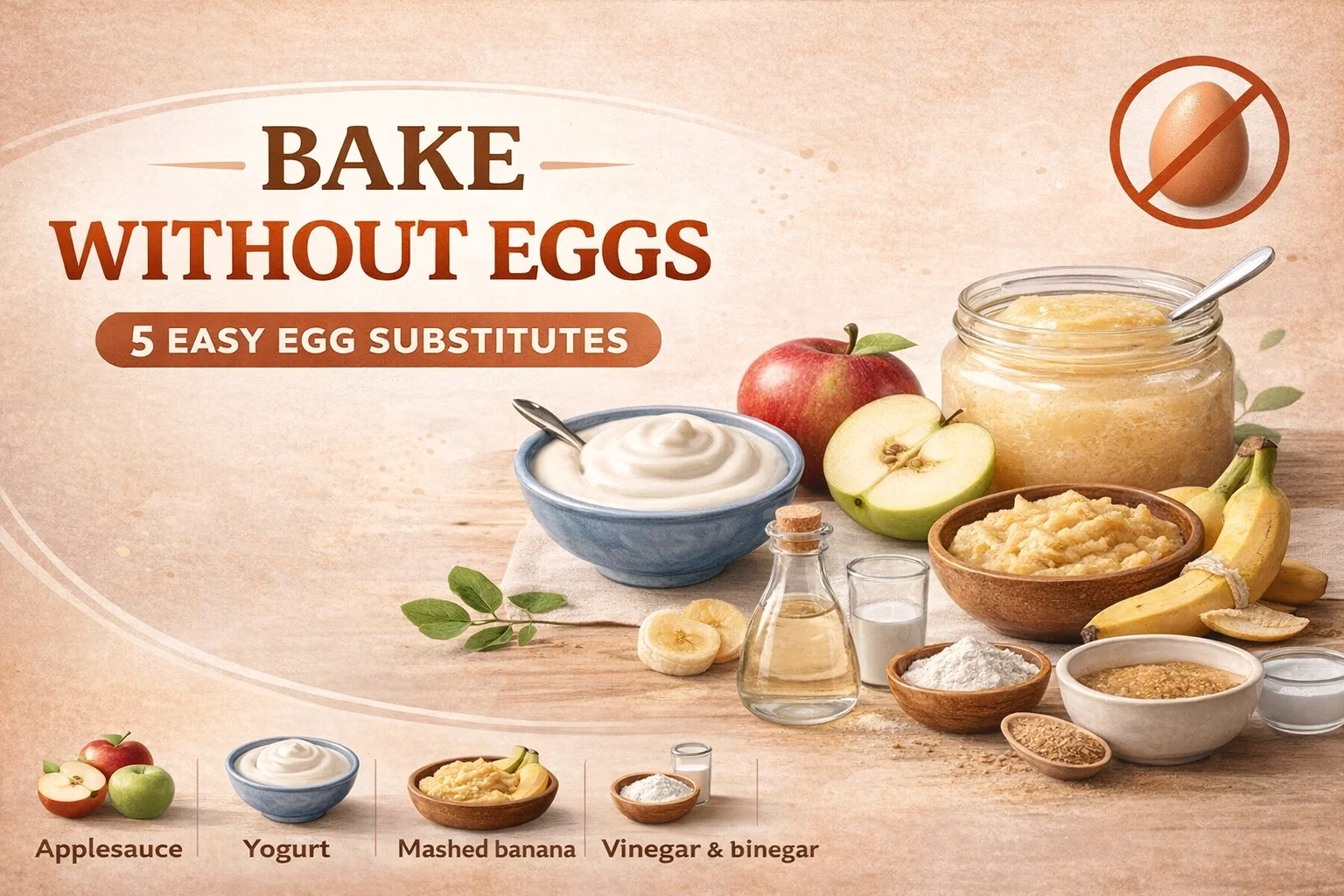
Applesauce is perhaps the most popular egg substitute for beginners because it is incredibly easy to use and usually already sitting in the back of the pantry. It is best used in recipes where the primary goal of the egg is to provide moisture and a bit of binding.
How to Use Applesauce
The standard ratio is 1/4 cup of unsweetened applesauce for every one egg. If you only have sweetened applesauce on hand, you can still use it, but you might want to slightly reduce the added sugar in your recipe to maintain the flavor balance.
Best Recipes for Applesauce Swaps
- Muffins and Quick Breads: Applesauce creates an incredibly tender, dense crumb that works perfectly for banana bread or blueberry muffins.
- Soft-Baked Cookies: If you like your cookies chewy rather than crispy, applesauce is your best friend.
- Brownies: It adds a fudgy quality that complements chocolate perfectly.
2. Yogurt: For Richness and Tang
If you are looking for a substitute that adds a touch of creamy richness, look no further than your yogurt container. Yogurt works similarly to eggs by providing fat and protein, which helps with the overall structure of the bake. It also contains acid, which can react with baking soda to help your treats rise even higher.
Choosing the Right Yogurt
For the best results, use plain, unsweetened yogurt. Greek yogurt works exceptionally well because of its thick consistency, though you may need to add a splash of water if the batter becomes too stiff. Just like with applesauce, use 1/4 cup of yogurt to replace one egg.
Why Yogurt Wins in Cakes
Yogurt is a secret weapon for pound cakes and coffee cakes. It provides a slight tang that cuts through the sweetness and ensures the cake stays moist for days after it comes out of the oven. It is also a fantastic way to add a little extra protein to your morning treats.
3. Mashed Banana: Natural Sweetness and Texture
Using a mashed banana as an egg replacement is a classic vegan baking hack. Beyond acting as a binder, bananas add a wonderful natural sweetness and a distinct flavor profile to your recipes. This makes them a bit more specialized than the neutral applesauce.
The Perfect Mash
You will want to use 1/4 cup of well-mashed, overripe banana (the ones with the brown spots!) for one egg. The riper the banana, the better it will incorporate into the batter and the sweeter your final product will be.
Flavor Considerations
Keep in mind that the banana flavor will come through in the finished product. This is a massive win for pancakes, waffles, and spiced cakes. However, if you are making a delicate vanilla sugar cookie, you might want to opt for a more neutral substitute unless you want “Banana Sugar Cookies” on the menu.
4. Vinegar and Baking Soda: The Ultimate Leavener
Have you ever wondered how vegan cakes get so much height and fluffiness? The answer is often a simple chemical reaction between vinegar and baking soda. This duo is specifically designed to replace the leavening power of an egg.
The Golden Ratio
Combine 1 tablespoon of white distilled vinegar or apple cider vinegar with 1/2 teaspoon of baking soda to replace one egg. You will notice it starts to fizz and bubble immediately. That reaction is exactly what you want to see!
When to Use This Combo
This is the go to method for light, airy cakes, cupcakes, and even fluffy pancakes. Because it provides so much lift without adding weight, it is the best choice for recipes that need to be “pillowy.” Do not worry about the vinegar taste; it completely evaporates during the baking process, leaving behind only the perfect texture.
5. The Flax Egg: The Vegan Essential
For many plant based bakers, the flax egg is the gold standard of egg replacements. Ground flaxseeds are high in omega-3 fatty acids and fiber, but more importantly, when mixed with water, they create a gel like consistency that is remarkably similar to a raw egg white.
How to Make a Flax Egg
Mix 1 tablespoon of ground flaxseed meal with 3 tablespoons of warm water. Stir it well and let it sit for about 5 to 10 minutes. You will see it thicken into a “gloopy” texture that binds your ingredients together perfectly. This recipe replaces one large egg.
The Nutty Advantage
Flaxseeds have a slightly nutty, earthy flavor that adds depth to whole grain breads, oatmeal cookies, and savory muffins. It is also an excellent choice for vegan burgers or meatloaves where a strong binder is necessary to prevent crumbling.
Quick Reference Comparison Table
Choosing the right substitute can be overwhelming at first, so here is a quick breakdown to help you decide which one to grab based on your specific baking goals.
| Substitute | Measurement | Best Used For | Main Property |
|---|---|---|---|
| Applesauce | 1/4 Cup | Muffins, Brownies | Moisture |
| Yogurt | 1/4 Cup | Cakes, Quick Breads | Richness |
| Mashed Banana | 1/4 Cup | Pancakes, Waffles | Flavor & Binding |
| Vinegar + Soda | 1 tbsp + 1/2 tsp | Fluffy Cakes, Cupcakes | Leavening (Rise) |
| Flax Egg | 1 tbsp Meal + 3 tbsp Water | Cookies, Hearty Breads | Binding |
Tips for Egg-Free Baking Success
While these substitutes are incredibly effective, baking without eggs does require a few adjustments to ensure your kitchen experiments are successful every time. Here are a few expert tips to keep in mind.
Avoid Replacing Too Many Eggs
These substitutes work best in recipes that call for one to three eggs. If a recipe calls for four or more eggs (like a custard or an angel food cake), the eggs are providing the entire structure of the dish. In those cases, a simple swap might not be enough, and you might need a recipe specifically formulated to be egg-free.
Watch Your Bake Times
Fruit based substitutes like applesauce and banana can sometimes make a batter “wetter” than usual. You might find that your muffins need an extra five minutes in the oven to fully set. Always use the toothpick test to check for doneness before pulling your tray out of the oven.
Mix Gently
Because you are not using the natural binding power of egg protein, you want to be careful not to overwork your batter. Overmixing can lead to a gummy texture when using fruit purees. Mix just until the dry ingredients are incorporated for the best crumb.
Conclusion: Your Kitchen, Your Rules
Learning how to bake without eggs is about more than just avoiding an ingredient; it is about gaining the confidence to experiment and adapt. The next time you find yourself staring at an empty egg carton, do not see it as a failure. See it as an opportunity to try something new. Whether you choose the moisture of applesauce, the fluffiness of vinegar and soda, or the nutritional boost of a flax egg, you are well on your way to creating something delicious.
The beauty of modern baking is that there truly are no limits. By understanding the role of each ingredient, you can customize your recipes to fit your dietary needs and your pantry stock. So go ahead, preheat that oven, and get baking. Your perfect egg-free treat is just a pantry swap away!
Would you like me to help you create a custom recipe for any of these specific substitutes?