The Ultimate Potato Guide Choosing the Right Potato for Every Dish Cooking Tips Basics
Potatoes are the unsung heroes of the kitchen. They are humble, affordable, and incredibly versatile, yet most of us treat them as a monolith. We walk into the grocery store, grab the first bag of spuds we see, and hope for the best. But have you ever wondered why your potato salad turned into a mushy mess, or why your homemade french fries came out limp instead of crispy? The answer lies in the science of the starch. Understanding the specific characteristics of different potato varieties is the single most effective way to elevate your home cooking from basic to professional.
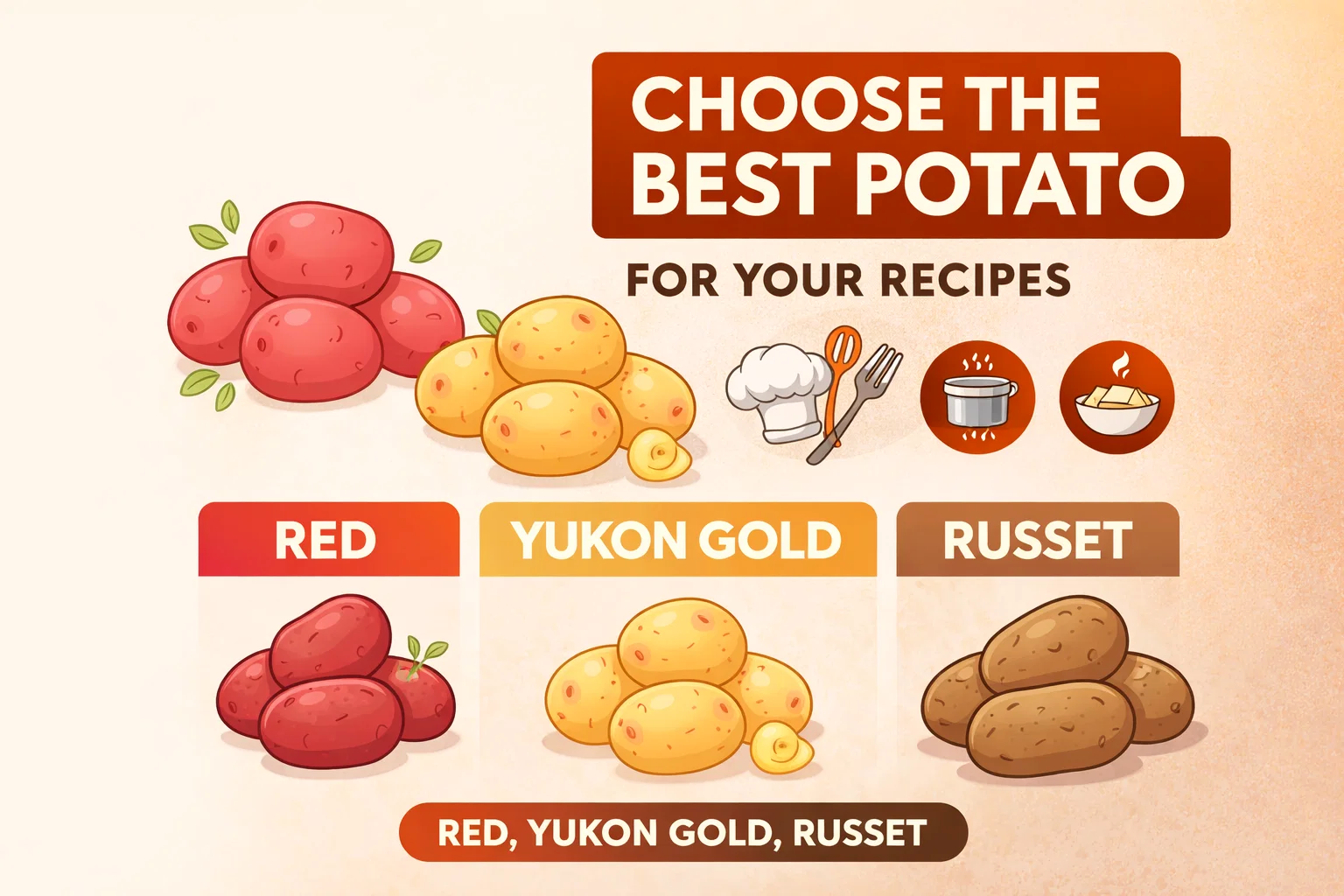
Every variety of potato has its own unique personality, defined by its starch content, flavor profile, and how it reacts to heat. By matching the right potato to the right cooking method, you unlock textures and flavors you never thought possible in a simple side dish. This guide will deep dive into the three most common categories of potatoes found in your local market: Red Potatoes, Yukon Golds, and Russet Potatoes. Once you master the art of the spud, your kitchen confidence will soar.
The Science of Starch: Why It Matters
To understand why one potato is better for mashing while another is better for boiling, we have to look at what is happening inside the vegetable. Starch is the primary carbohydrate in potatoes, and it comes in two main forms: amylose and amylopectin. The ratio of these starches determines the texture of the potato once it is cooked.
High starch potatoes, like the Russet, have a high amylose content. When heated, the starch granules swell and separate from one another, resulting in a texture that is dry, light, and fluffy. On the other end of the spectrum, low starch potatoes, often called waxy potatoes, have more amylopectin. These granules stay together when cooked, giving the potato a firm, creamy, and dense texture that holds its shape even under pressure.
Red Potatoes: The Waxy Wonders
Red potatoes are easily identified by their thin, vibrant red skins and crisp white flesh. They are the quintessential waxy potato, containing about 16 percent starch by weight. Because they have the lowest starch content of the bunch, they are incredibly durable during the cooking process.
Flavor and Texture Profile
The flavor of a red potato is often described as mineral-y and subtly sweet. Because the skin is so thin and tender, it is almost always left on during cooking, which adds a beautiful pop of color to your plate and a boost of nutritional fiber. When cooked, the texture remains firm and creamy rather than falling apart into a grainy mash.
Best Cooking Methods for Red Potatoes
Because red potatoes hold their shape so well, they are the gold standard for dishes where structure is key. If you are making a classic potato salad for a backyard barbecue, the red potato is your best friend. It can handle being boiled, cooled, and tossed with dressing without disintegrating. They are also fantastic in slow-cooked meals like braises, soups, and stews. While a Russet would dissolve into the liquid, a red potato will emerge from a three hour simmer perfectly intact and ready to soak up the savory juices.
Yukon Gold: The Best of Both Worlds
If you only have room for one type of potato in your pantry, make it the Yukon Gold. These are considered medium starch potatoes, sitting right in the middle with a starch content of 16 to 18 percent. They are often referred to as multipurpose potatoes because they possess the creamy qualities of a waxy potato and the fluffiness of a starchy one.
The Golden Standard of Flavor
Yukon Golds are famous for their naturally buttery and sweet flavor. They have a distinct yellow hue that makes them look like they have already been tossed in butter before you even add any. The skin is slightly thicker than a red potato but still thin enough to be eaten. The texture is best described as velvety. It is smoother than a Russet but softer than a red potato, making it incredibly luxurious on the palate.
Versatility in the Kitchen
The beauty of the Yukon Gold is that it can handle almost any cooking method you throw at it. They are the premier choice for mashed potatoes if you prefer a dense, silky, and rich consistency. Because they don’t absorb as much water as other varieties, your mash stays flavorful and concentrated. They also roast beautifully, developing a thin, crisp exterior while the inside stays soft and moist. You can even fry them for a more substantial, hearty steak fry.
Russet Potatoes: The Fluffy Giants
The Russet potato, also known as the Idaho potato, is the heavy hitter of the starch world. With a starch content of at least 20 percent by weight, these potatoes are designed for high heat and dramatic transformations. They are large, oblong, and covered in a thick, rough, brown skin that acts as a protective layer during baking.
Earthy and Mild Characteristics
Russets have a very mild, earthy flavor that makes them the perfect canvas for toppings. Unlike the buttery Yukon, the Russet is prized for its ability to soak up fats like sour cream, butter, and cheese. The cooked texture is dry and fluffy. When you pull a baked Russet out of the oven and crack it open, the interior should look like soft, white clouds.
The Kings of Frying and Baking
If you want the perfect baked potato with a crispy skin and a light interior, there is no substitute for a Russet. Their high starch content also makes them the undisputed champions of the deep fryer. When submerged in hot oil, the starch on the surface dehydrates rapidly, creating that iconic golden crunch we associate with the perfect french fry or potato wedge. They are also excellent for a traditional, airy mash, though you must be careful not to overwork them, or the high starch can turn the mixture gummy.
How to Choose the Right Potato for Your Dish
Now that you know the players, how do you make the final call? It all comes down to the desired end result. Think about the physical role the potato needs to play in your recipe. Is it the star of the show that needs to stay whole, or is it a background element meant to thicken a sauce?
When to Use Red Potatoes
- Cold Salads: Perfect for German or classic mayo-based potato salads.
- Sheet Pan Dinners: Halve them and roast them with chicken and herbs.
- Pot Roasts: They hold up against long braising times in the oven.
When to Use Yukon Gold Potatoes
- Holiday Mashed Potatoes: For that rich, decadent, buttery texture.
- Gratins and Scalloped Potatoes: They provide a velvety mouthfeel that pairs perfectly with cream sauces.
- Pan Frying: Great for breakfast hash browns that are soft on the inside.
When to Use Russet Potatoes
- Baked Potatoes: The thick skin crisps up while the inside stays light.
- French Fries: The high starch ensures a crispy exterior every time.
- Gnocchi: Professional chefs prefer Russets because their dry texture makes for lighter, airier potato dumplings.
Common Mistakes to Avoid
Even with the right potato, technique matters. One of the biggest mistakes people make when cooking potatoes is starting them in boiling water. Always start your potatoes in cold, salted water and bring them to a boil together. This ensures the potato cooks evenly from the outside in. If you drop a cold potato into boiling water, the outside will overcook and fall apart before the center is even tender.
Another common pitfall is over-processing mashed potatoes. If you use a food processor or blender on a high starch potato like a Russet, you will shear the starch molecules, releasing too much amylose and turning your dinner into wallpaper paste. Instead, use a potato ricer or a manual masher for the best results.
Storage Tips for Maximum Freshness
To keep your potatoes in top shape, store them in a cool, dark, and well-ventilated place. Never store potatoes in the refrigerator. The cold temperature turns the potato’s starch into sugar, which changes the flavor and causes the potato to turn dark when cooked. Keep them away from onions as well; onions release gases that can cause potatoes to sprout faster.
Conclusion: Mastering the Humble Spud
The potato is far more than just a side dish. It is a versatile ingredient that, when understood properly, can transform your home cooking. By recognizing the difference between the waxy red potato, the multipurpose Yukon Gold, and the starchy Russet, you are taking a major step toward culinary mastery. No longer will you be frustrated by crumbling salads or soggy fries. You now have the knowledge to choose the right tool for the job.
Next time you are at the market, take a moment to look at the different varieties. Think about the meal you want to create and select your potatoes with intention. Whether you are whipping up a velvety mash for a family dinner or roasting crispy wedges for a weekend snack, the right potato makes all the difference. Happy cooking!