Top 10 Fermented Foods for Gut Health Probiotic Rich Diet Guide for Better Digestion
Embarking on a journey toward better health often leads us back to the most ancient traditions of food preparation. Fermentation is not just a culinary trend; it is a biological miracle that has sustained human civilizations for millennia. When you look at a jar of bubbly sauerkraut or a bottle of tangy kombucha, you are looking at a living ecosystem designed to nourish your body from the inside out. Understanding how these fermented staples work can be the key to unlocking a new level of vitality, clearer skin, and a more robust immune system. By integrating these probiotic rich foods into your daily routine, you are choosing a path of natural wellness that prioritizes the delicate balance of your internal microbiome.
The Science of Fermentation and Why Your Gut Loves It
At its core, fermentation is the metabolic process where microorganisms like bacteria, yeast, or fungi convert carbohydrates into alcohol or organic acids. This process does more than just preserve food; it transforms the nutritional profile of everything it touches. During fermentation, these tiny helpers break down sugars and starches, making the nutrients easier for your body to absorb. This is particularly important for people who struggle with digestion, as the heavy lifting of breaking down complex fibers is often already started by the time the food reaches your plate.
The primary benefit of consuming fermented foods is the introduction of probiotics. These are live beneficial bacteria that reside in your digestive tract. A healthy gut is home to trillions of these microbes, which play a critical role in everything from producing vitamins to managing your mood. When your internal environment becomes imbalanced due to stress, processed foods, or antibiotics, fermented foods act as a natural reinforcement, helping to restore order and keep harmful bacteria in check.
Bioavailability and Nutrient Density
One of the most overlooked aspects of fermentation is how it increases the bioavailability of nutrients. For example, the fermentation of cabbage into sauerkraut increases the levels of Vitamin C and makes various B vitamins more accessible. It also neutralizes anti-nutrients like phytic acid, which is found in grains and seeds and can interfere with mineral absorption. By eating fermented versions of these foods, you are essentially getting more nutritional bang for your buck with every single bite.
Top Fermented Foods to Transform Your Health
If you are looking to diversify your diet, there is a wide array of fermented options available. Each brings a unique strain of bacteria and a different set of health benefits to the table. Let’s explore some of the most powerful staples you can add to your kitchen today.
Sauerkraut and Kimchi: The Cabbage Kings
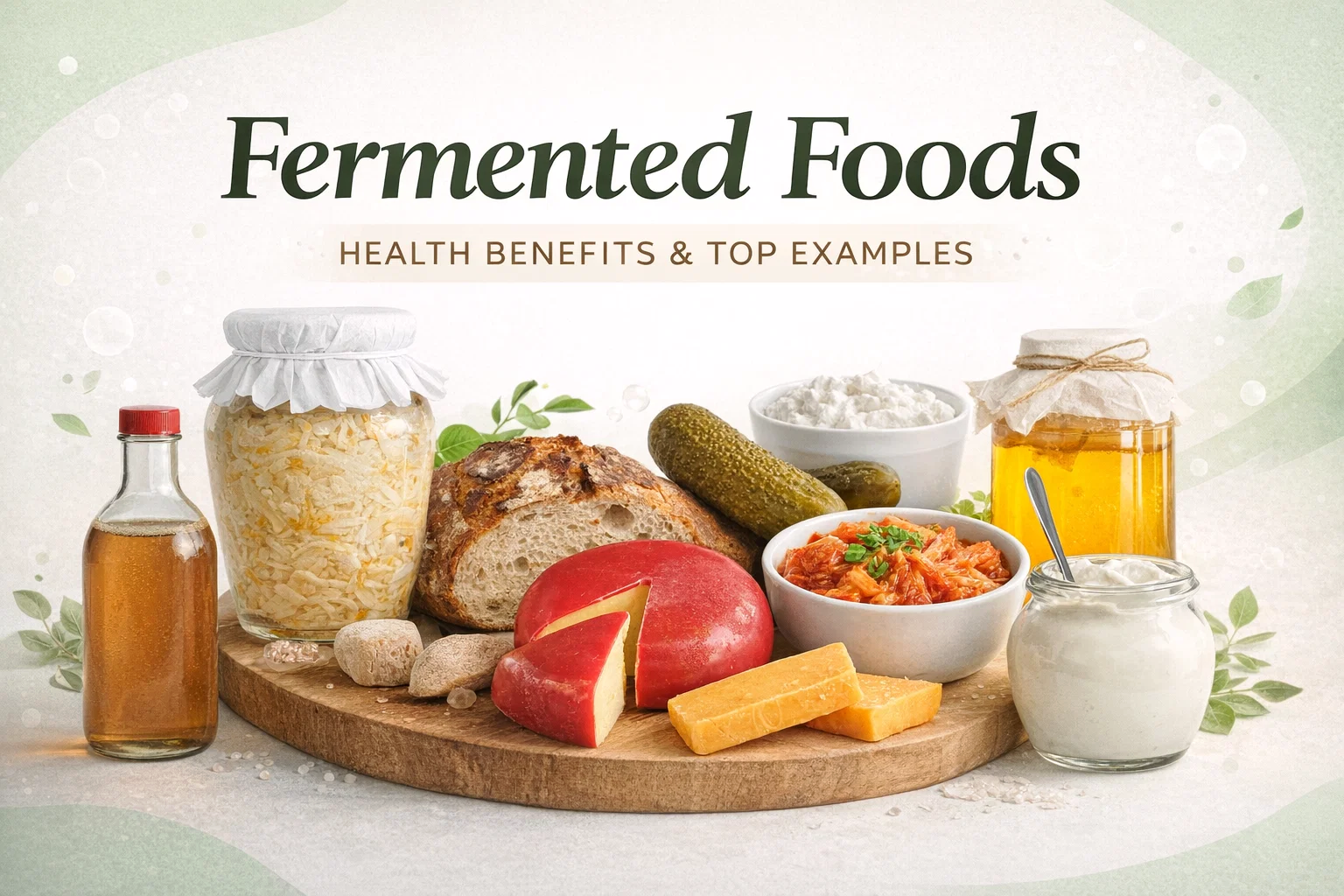
Sauerkraut is perhaps the most well-known fermented vegetable in the West. Made simply from cabbage and salt, it is a powerhouse of Lactobacillus bacteria. Kimchi, the Korean cousin of sauerkraut, takes things a step further by adding garlic, ginger, and chili peppers. These additional ingredients provide anti-inflammatory benefits on top of the probiotic boost. Both are excellent for digestion and can be added as a side dish to almost any savory meal.
Kefir and Yogurt: Cultured Dairy Essentials
For those who can tolerate dairy, yogurt and kefir are essential. Yogurt is created by fermenting milk with specific starter cultures, while kefir uses kefir grains, which are a complex symbiotic matrix of bacteria and yeast. Kefir is generally more potent than yogurt, often containing up to thirty different strains of probiotics. If you are looking for the best results, always aim for raw or minimally processed versions, as high heat pasteurization can kill the very bacteria you are trying to consume.
The Rise of Kombucha and Water Kefir
If you prefer to drink your probiotics, kombucha and water kefir are fantastic alternatives to sugary sodas. Kombucha is a fermented tea that provides a slight natural effervescence and a wealth of organic acids that support liver detoxification. Water kefir is a dairy-free fermented beverage made with sugar water and fruit, offering a lighter, more refreshing way to hydrate while populating your gut with healthy flora.
Surprising Sources of Probiotics
While we often think of jars and bottles, fermentation hides in many other places in our diet. Traditional sourdough bread is a perfect example. The long fermentation process used to create sourdough breaks down much of the gluten and phytic acid, making it much easier on the stomach than commercial white bread. Similarly, certain aged cheeses like Gouda, Cheddar, and Swiss contain probiotics that survive the aging process, providing a delicious way to support your microbiome.
Raw Apple Cider Vinegar is another staple that belongs in every pantry. When it contains the mother, it is packed with enzymes and beneficial bacteria. Using it in salad dressings or diluted in water before a meal can help prime your digestion and manage blood sugar levels effectively.
Practical Tips for Starting Your Fermentation Journey
Integrating these foods into your life does not have to be overwhelming. In fact, the best way to start is slowly. Because fermented foods are so potent, your body needs time to adjust to the new influx of bacteria. Starting with just a tablespoon of sauerkraut or a small glass of kombucha a day is a perfect way to begin.
- Start Small: Begin with one serving of a fermented food per day to avoid digestive upset as your microbiome shifts.
- Check the Label: Ensure the products you buy say Live and Active Cultures or Raw. Many commercial pickles are made with vinegar and heat, which kills the probiotics.
- Diverse Sources: Don’t stick to just one type. Rotate between kombucha, kimchi, and kefir to get a wider variety of bacterial strains.
- Pair with Prebiotics: Probiotics need food to thrive. Eat plenty of fiber-rich foods like garlic, onions, and bananas to feed the good bacteria in your gut.
DIY Fermentation at Home
One of the most rewarding ways to experience these foods is by making them yourself. Home fermentation is surprisingly simple and requires very little equipment. A clean glass jar, some fresh vegetables, and sea salt are all you need to start making your own pickles or kraut. Not only is this more cost-effective, but it also allows you to control the ingredients and ensures that you are getting the freshest, most vibrant probiotics possible.
The Connection Between Gut Health and Overall Wellness
It is becoming increasingly clear that the gut is the center of our health. Often referred to as the second brain, the gut produces about 95 percent of the body’s serotonin. This means that a healthy gut doesn’t just mean a happy stomach; it means a happier mind. People who consume fermented foods regularly often report improvements in their mood, reduced anxiety, and better cognitive function.
Furthermore, about 70 to 80 percent of the immune system is located in the gut. By maintaining a healthy balance of bacteria, you are essentially training your immune system to respond more effectively to pathogens. In an age where we are constantly exposed to various stressors, this internal defense system is your most valuable asset.
Supporting Clear Skin from Within
The gut-skin axis is another fascinating area of wellness. Many skin conditions, such as acne, eczema, and rosacea, are linked to internal inflammation and gut dysbiosis. When you heal your gut through the regular consumption of fermented foods, you often see a visible glow in your complexion. By reducing systemic inflammation and improving nutrient absorption, you provide your skin with the tools it needs to repair and thrive.
Making Fermented Foods a Lifestyle
Consistency is the secret ingredient to any health transformation. You don’t need to eat an entire jar of kimchi in one sitting to see results. Instead, focus on small, daily additions. Add a dollop of yogurt to your morning smoothie, use apple cider vinegar in your lunchtime salad, or enjoy a small serving of pickles with your dinner. Over time, these small habits compound into significant health changes.
The beauty of fermented foods lies in their diversity. From the salty crunch of a probiotic pickle to the creamy richness of raw cheese, there is a fermented food for every palate. Exploring these flavors is a culinary adventure that rewards you with better health and a deeper connection to the natural world.
Conclusion: A Path to Lasting Vitality
Choosing to prioritize fermented foods is a commitment to your long-term well-being. By embracing these ancient traditions, you are supporting your body’s natural rhythms and providing it with the living nourishment it craves. Whether you are looking to fix digestive issues, boost your energy, or simply explore new flavors, the world of fermentation has something incredible to offer. Start exploring these gut-friendly staples today and feel the difference that a balanced microbiome can make in your life. Your journey to a healthier, more vibrant version of yourself begins with a single bite of something fermented.