9 Best Anti-Angiogenic Foods to Starve Cancer Naturally Dr. William Li Diet Tips
Imagine if the most powerful tool for your long term health was not found in a medicine cabinet, but right inside your refrigerator. The idea of using food as medicine is an ancient concept that is seeing a massive resurgence in modern science. Specifically, the concept of anti-angiogenesis, popularized by experts like Dr. William Li, suggests that we can actually influence our body’s internal environment to discourage the growth of disease. By choosing specific, nutrient dense ingredients, we are not just filling our stomachs; we are strategically fueling our biological defense systems. This approach to eating is about empowerment and taking a proactive stance on wellness through the simple, joyful act of sharing a meal.
Understanding the Science of Anti-Angiogenesis
To understand how certain foods can starve cancer, we first have to look at a process called angiogenesis. This is the natural method our bodies use to grow new blood vessels. In a healthy state, this process is perfectly balanced. It helps heal wounds and supports organ function. However, when this system goes out of balance, it can allow tiny, microscopic clusters of abnormal cells to recruit their own blood supply. Once these cells have a dedicated “pipeline” for nutrients and oxygen, they can grow and spread.
This is where anti-angiogenic foods come into play. Many plant-based foods contain natural bioactives that act as a cellular pruning shears. They help the body maintain a healthy balance, ensuring that blood vessels only grow where they are supposed to. By incorporating these ingredients into your daily routine, you are essentially creating an environment where it is much harder for unhealthy cells to thrive. It is a preventative strategy that is as delicious as it is effective.
Shutterstock
Explore
The Role of Soy in a Health Conscious Diet
For a long time, there was a lot of confusion surrounding soy, but modern research has cleared the air. Soy contains unique compounds called isoflavones, specifically genistein, which has been shown to have potent anti-angiogenic properties. Whether you are enjoying organic edamame, tofu, or tempeh, you are consuming a high quality plant protein that double duties as a health protector. The key is to stick with whole, traditionally fermented, or minimally processed soy products to get the maximum benefit.
Liquid Gold: The Benefits of Green Tea and Coffee
Your morning beverage routine might be doing more for you than just providing a caffeine kick. Green tea is world renowned for its high concentration of EGCG (epigallocatechin gallate). This specific antioxidant is a powerhouse when it comes to blocking the signaling pathways that tumors use to grow new blood vessels. Steeping your tea for at least five minutes helps release these beneficial compounds, making each sip a boost for your immune system.
Surprisingly, coffee also earns a spot on the list of health promoting beverages. Beyond the energy boost, coffee contains chlorogenic acid and other phytochemicals that support vascular health. Studies have suggested that regular, moderate coffee consumption is linked to a lower risk of several types of chronic illnesses. To keep it healthy, try to enjoy your coffee black or with a splash of plant based milk, avoiding the heavy sugars and processed syrups found in many coffee shop drinks.
Broccoli and the Power of Cruciferous Vegetables
If there is one vegetable that consistently tops the list of superfoods, it is broccoli. As a member of the cruciferous family, broccoli is rich in sulforaphane. This compound is released when the vegetable is chopped or chewed. Sulforaphane is incredible because it targets multiple pathways of health, including detoxification and the suppression of abnormal vessel growth. To get the most out of your broccoli, try steaming it lightly rather than boiling it, as this preserves the heat sensitive enzymes needed to activate the sulforaphane.
Tomatoes and the Lycopene Advantage
The vibrant red color of a ripe tomato is more than just eye candy; it is a sign of high lycopene content. Lycopene is a fat soluble carotenoid that has been extensively studied for its ability to protect cells from damage. Interestingly, the body absorbs lycopene much better when the tomatoes are cooked. This means that your favorite tomato sauce, sun dried tomatoes, or even tomato paste are concentrated sources of this anti-angiogenic nutrient. Pairing your tomatoes with a healthy fat, like olive oil, further increases the absorption, making a classic Mediterranean salad a true health tonic.
Shutterstock
Explore
Turmeric: The Golden Spice of Life
Turmeric has been used in traditional medicine for thousands of years, and for good reason. Its active ingredient, curcumin, is one of the most well researched anti inflammatory substances in the world. In the context of starving cancer, curcumin helps to inhibit the growth of the blood vessels that feed tumors. Because curcumin is not easily absorbed by the body on its own, it is a great idea to consume it with a pinch of black pepper. The piperine in black pepper can increase the absorption of curcumin by up to 2,000 percent.
Essential Fiber and Nutrients in Beans
Beans and legumes are often the unsung heroes of a healthy diet. Whether you prefer black beans, kidney beans, or chickpeas, these fiber rich foods help regulate blood sugar and support a healthy microbiome. A healthy gut is essential for a strong immune system. Furthermore, beans contain inositol trisphosphate, a compound that researchers have identified as having anti-cancer properties. They are an affordable, versatile, and incredibly filling way to add more protection to your plate.
Healthy Fats for Cellular Integrity
The myth that all fat is bad has been thoroughly debunked. Our bodies, and especially our brains, require healthy fats to function. Avocados and extra virgin olive oil are prime examples of “good” fats that support heart health and reduce systemic inflammation. Avocados are particularly unique because they contain lutein and other antioxidants that support eye and skin health while contributing to an anti-angiogenic environment. Using these fats as a base for your dressings or as a topping for your meals ensures you stay satisfied and nourished.
Berries: Nature’s Antioxidant Bombs
Berries like blueberries, raspberries, and blackberries are perhaps the most enjoyable way to fight disease. These tiny fruits are loaded with anthocyanins, the pigments that give them their deep colors. These antioxidants work to neutralize free radicals and prevent the oxidative stress that can lead to cellular mutations. Berries are also low on the glycemic index, meaning they won’t cause the insulin spikes that are often associated with fueling inflammation. Adding a handful of mixed berries to your morning oatmeal or yogurt is a perfect daily habit.
Practical Tips for a Proactive Kitchen
- Diversity is Key: Don’t just stick to one superfood. Aim to “eat the rainbow” every day to ensure you are getting a wide spectrum of different bioactives.
- Quality Matters: Whenever possible, choose organic produce to avoid synthetic pesticides that can stress the body.
- Simple Swaps: Replace refined grains with beans or lentils, and swap sugary sodas for green tea or water infused with berries.
- Consistent Habits: The benefits of these foods come from consistent consumption over time, not just a single meal.
Creating a Lifestyle of Longevity
While the focus is often on what we eat, it is also important to consider how we eat. Stress can have a significant impact on our digestion and our body’s ability to utilize nutrients. Taking the time to sit down, breathe, and truly enjoy your food can enhance the benefits of an anti-angiogenic diet. Cooking at home also gives you complete control over your ingredients, allowing you to prioritize the fresh, whole foods that support your biological defenses.
It is also worth noting that this way of eating is naturally low in processed sugars and artificial additives. By crowding out the “junk” with these high performance foods, you naturally reduce your intake of substances that can promote inflammation and disease. It is a win-win situation for your palate and your longevity.
Embracing a Future of Food Based Wellness
The shift toward food based wellness represents a move away from a reactive “wait and see” healthcare model toward a proactive “prevent and protect” lifestyle. By understanding the power of anti-angiogenesis and the role of these specific foods, you are taking the wheel of your own health journey. You don’t need a PhD in nutrition to make these changes; you just need a grocery list and a curiosity for new flavors.
Every time you choose broccoli over a processed snack, or green tea over a sugary energy drink, you are sending a signal to your cells. You are telling your body that you value its health and are committed to providing the best possible environment for it to thrive. This is not about a restrictive diet; it is about abundance, vitality, and the incredible potential of the natural world.
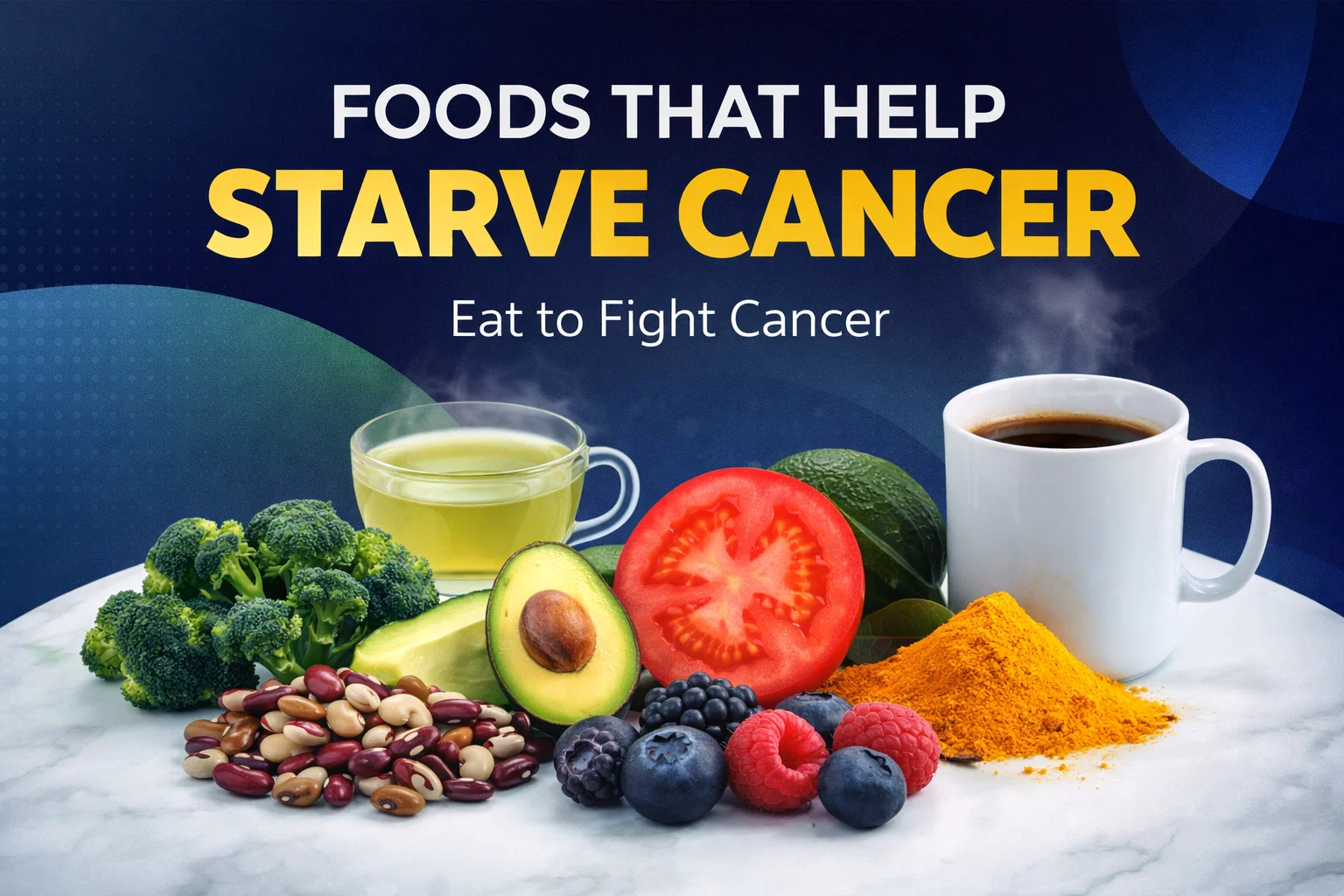
The journey to better health starts with your next bite. By incorporating soy, green tea, coffee, broccoli, tomatoes, turmeric, beans, healthy fats, and berries into your life, you are building a foundation of resilience. These foods are not just fuel; they are your allies in the quest for a long, vibrant, and healthy life. Start small, try new recipes, and enjoy the peace of mind that comes from knowing you are doing something wonderful for yourself every single day. Save these tips for your next grocery run and begin your transformation today.
Would you like me to generate some specific recipe ideas using these nine foods to help you get started?