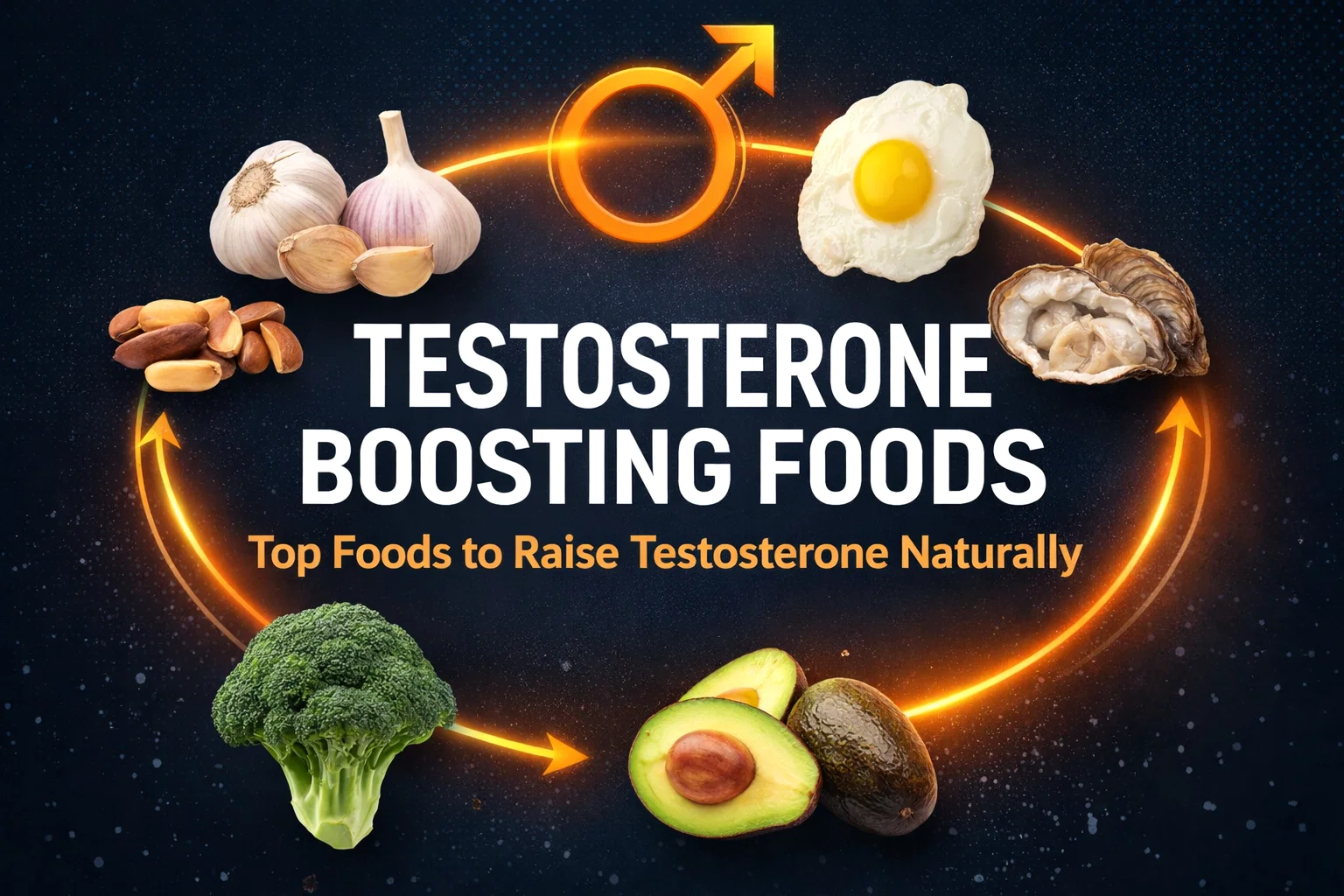
7 Natural Testosterone Booster Foods Healthy Diet Tips for Hormonal Balance
Understanding how to optimize your body’s natural hormone production is a cornerstone of long-term vitality and wellness. While many people look toward synthetic solutions or expensive supplements, the foundation of hormonal health is often found right in your kitchen. The relationship between the nutrients you consume and your endocrine system is profound, as specific vitamins and minerals act as the building blocks for hormone synthesis. By focusing on whole, nutrient-dense foods, you can provide your body with the tools it needs to maintain peak performance, energy, and mood stability.
The Science of Natural Hormonal Support
Hormones like testosterone play a vital role in more than just muscle growth or reproductive health. They are essential for bone density, cognitive function, and heart health. When levels are optimized, you likely feel more motivated, experience better sleep quality, and maintain a healthier body composition. The foods highlighted in recent nutritional studies suggest that certain compounds, such as zinc, magnesium, and healthy fats, are non-negotiable for anyone looking to boost their levels naturally. These elements work together to reduce oxidative stress and support the Leydig cells, which are responsible for hormone production.
Healthy Fats as a Foundation
For a long time, dietary fats were unfairly criticized, but we now know that cholesterol is a direct precursor to testosterone. Without adequate healthy fats, your body simply cannot produce enough of this vital hormone. Foods like avocados and eggs provide the monounsaturated fats and cholesterol necessary for this biological process. Incorporating these into your daily routine ensures that your endocrine system has a steady supply of raw materials.
Top Foods to Revolutionize Your Vitality
Let’s take a deeper look at the specific powerhouses that can transform your nutritional profile. These aren’t just random ingredients; they are selected for their specific chemical properties that interact with your body’s internal chemistry.
Garlic and Allucin Power
Garlic is well known for its immune-boosting properties, but its role in hormonal health is equally impressive. It contains a compound called allicin, which has been shown to lower cortisol levels. Cortisol is often referred to as the stress hormone, and it has an inverse relationship with testosterone. When cortisol is high, testosterone is often suppressed. By adding fresh garlic to your meals, you help manage stress markers, allowing your body to prioritize the production of growth and vitality hormones.
The Mineral Wealth of Brazil Nuts
Brazil nuts are perhaps the best natural source of selenium, a trace mineral that is essential for reproductive health and thyroid function. Just a couple of Brazil nuts a day can meet your entire daily requirement for selenium. This mineral acts as an antioxidant, protecting the cells in the testes from oxidative damage. Maintaining high selenium levels is a simple way to ensure that your hormonal pathways remain clear and functional.
Oysters and Zinc Optimization
Oysters have a long-standing reputation as a vitality booster, and science backs this up. They are incredibly high in zinc, a mineral that is critical for the production of testosterone. A zinc deficiency is one of the most common reasons for a dip in hormone levels among active individuals. Zinc helps the pituitary gland release luteinizing hormone, which then signals the body to produce more testosterone. If oysters aren’t a regular part of your diet, focusing on other zinc-rich sources like pumpkin seeds or grass-fed beef is a great alternative.
Green Power: The Role of Cruciferous Vegetables
Vegetables like broccoli and kale are essential for more than just fiber. They contain indole-3-carbinol, a compound that helps the body metabolize and clear out excess estrogen. In both men and women, maintaining a healthy balance between estrogen and testosterone is key. When estrogen levels are too high, it can lead to fat retention and decreased energy. Eating cruciferous vegetables helps your body stay in a state of hormonal equilibrium by promoting the efficient breakdown of estrogenic compounds.
Broccoli for Clean Energy
Including broccoli in your lunch or dinner provides a double benefit. It offers the fiber needed for gut health and the specific phytochemicals required for hormonal clearance. A healthy gut is where many hormones are processed and regulated, so keeping your digestive system on track with greens is a smart move for your overall endocrine health.
The Versatility of Avocados and Eggs
When it comes to breakfast or snacks, avocados and eggs are the ultimate duo. Avocados are rich in potassium and vitamin B6, which help in the regulation of hormones and energy production. They also provide the healthy fats mentioned earlier, making them a creamy and delicious way to fuel your day.
Eggs: The Gold Standard of Nutrition
Eggs are often called nature’s multivitamin. The yolk is where the magic happens, containing vitamin D3, which is actually a pro-hormone. Research has shown that individuals with higher vitamin D levels tend to have significantly higher testosterone levels than those who are deficient. Since many of us spend a lot of time indoors, eating vitamin D-rich foods like egg yolks is a practical way to support your levels year-round.
Hydration and Lifestyle Synergy
While food is a primary driver of health, it works best when paired with proper hydration and lifestyle habits. Water is necessary for every metabolic process in the body, including the transport of hormones through the bloodstream. Aiming for consistent hydration helps your kidneys and liver process waste efficiently, ensuring that your hormonal signals aren’t muffled by systemic inflammation.
The Importance of Quality Sleep
You can eat all the oysters and garlic in the world, but if you aren’t sleeping, your hormones will suffer. Most testosterone production happens while you are in deep sleep. Aiming for seven to nine hours of quality rest is just as important as your meal plan. Sleep is the time when your body repairs tissue, consolidates memories, and resets your endocrine system for the day ahead.
Managing Stress for Better Results
Chronic stress is the enemy of hormonal balance. Finding ways to incorporate relaxation, whether through gardening, walking, or simple breathing exercises, can have a measurable impact on your hormone levels. When your nervous system feels safe and calm, it is much more likely to prioritize reproductive and growth hormones over survival-based stress hormones.
Simple Meal Ideas for Hormonal Success
Incorporating these foods doesn’t have to be complicated. Here are a few ways to blend these ingredients into your weekly routine:
- The Power Breakfast: Scrambled eggs with chopped broccoli and a side of sliced avocado.
- The Vitality Salad: Fresh greens topped with grilled chicken, crushed Brazil nuts, and a garlic-lemon dressing.
- The Seafood Special: Fresh oysters as an appetizer followed by a stir-fry featuring garlic and plenty of green vegetables.
Long-Term Benefits of a Nutrient-Dense Diet
Choosing to eat for your hormones is a long-term investment. Unlike quick fixes, a diet focused on whole foods builds a resilient foundation that supports you as you age. You will likely notice improvements in your skin, hair, and energy levels within just a few weeks of consistent changes. Furthermore, these foods support heart health and brain function, making this approach a holistic way to look at your entire well-being.
Building Sustainable Habits
The best diet is the one you can stick to. You don’t need to eat every single one of these foods every day. Instead, try to rotate them throughout your week. Maybe Monday is an avocado day, and Wednesday is for Brazil nuts. By keeping your diet varied, you ensure a wide spectrum of micronutrients and prevent boredom with your meals.
The Connection Between Exercise and Nutrition
To get the most out of these testosterone-boosting foods, consider pairing your nutrition with resistance training. Lifting weights or performing bodyweight exercises signals your muscles to grow, which in turn stimulates the production of hormones. When you feed your body the right nutrients after a workout, you are providing the fuel necessary for recovery and hormonal spikes. It is a beautiful cycle where movement and nutrition work in perfect harmony.
Recovery is Key
Don’t forget that overtraining can actually lower your hormone levels. Balance your intense workouts with plenty of rest and nutrient-rich meals. Listen to your body’s signals; if you feel chronically fatigued, it might be time to increase your intake of healthy fats and take an extra rest day. Your hormones thrive on a balance of challenge and recovery.
Conclusion
Optimizing your testosterone and overall hormonal health is an empowering journey that starts with the choices you make at the grocery store. By prioritizing foods like garlic, Brazil nuts, oysters, broccoli, avocados, and eggs, you are taking a proactive step toward a more vibrant and energetic life. These natural boosters offer a safe and effective way to enhance your physical and mental performance without the need for artificial interventions. Remember that consistency is your greatest ally. Focus on small, manageable additions to your diet, prioritize your sleep, and stay active. Your body has an incredible ability to find balance and thrive when it is given the right environment and the proper nutrients. Start incorporating these power foods today and feel the difference that true nutritional support can make in your daily life.