11 Life-Changing Benefits of Walking Daily Wellness Habits for Health and Mindset improvement
Most of us view walking as a mundane necessity—a way to get from point A to point B or a simple movement we perform without a second thought. However, what if I told you that this basic human function is actually one of the most potent, scientifically backed tools for total body transformation? Beyond just being a form of low-impact cardio, walking serves as a comprehensive internal tune-up for your biology. From the way your brain processes complex problems to how your cells manage sugar after a heavy meal, the humble stroll is a powerhouse of health benefits that are often overlooked in our high-intensity, gym-obsessed culture. It is time to stop seeing walking as a backup plan for exercise and start seeing it as a primary pillar of a vibrant, long life.
The Post-Meal Secret for Blood Sugar Control
One of the most immediate and profound impacts of walking occurs right after you put down your fork. In a world where metabolic health is a growing concern, the simple act of a post-meal stroll is a game changer. When you eat, your blood glucose levels naturally rise. Instead of letting that sugar sit in your bloodstream, a short walk activates your muscles, which then act like sponges to soak up that excess glucose. Studies have consistently shown that walking for just fifteen to twenty minutes after eating is significantly more effective at stabilizing blood sugar than sitting or even lying down to rest.
How Muscle Contraction Mimics Insulin
When your muscles contract during a walk, they require energy. This process triggers a mechanism that allows glucose to enter your cells even without a massive spike in insulin. This is incredibly beneficial for anyone looking to manage their weight, avoid energy crashes, or support long-term metabolic health. By making this a non-negotiable part of your daily rhythm, you are essentially providing your body with a natural, mechanical way to process fuel more efficiently.
Building a Stronger Heart Through Consistency
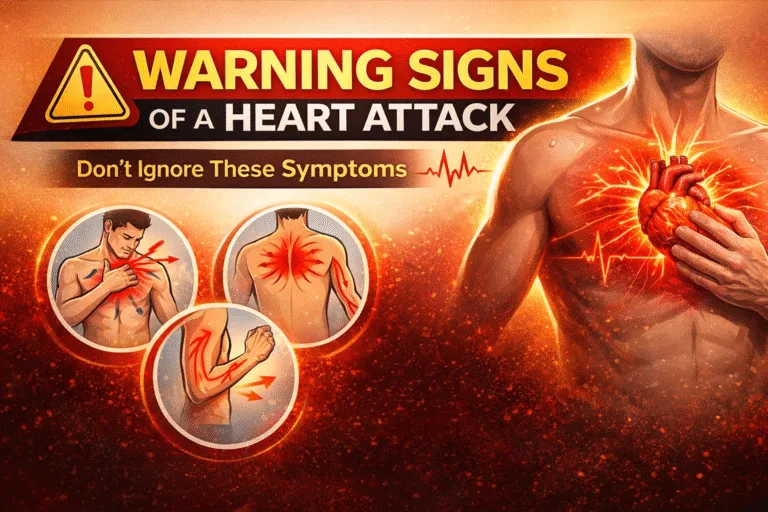
There is a common misconception that heart health requires grueling, high-intensity interval training or long-distance running. While those have their place, the heart actually thrives on the steady, rhythmic nature of a brisk walk. A consistent walking pace has been shown to improve cardiovascular endurance and lower blood pressure more effectively over time than occasional, intense workouts that people often struggle to maintain. The heart is a muscle that loves regularity, and providing it with a daily dose of moderate activity strengthens the cardiac walls and improves overall circulation without the inflammatory stress that sometimes accompanies extreme exercise.
Getty Images
Lowering the Risk of Chronic Heart Disease
Regular walkers often see a decrease in their resting heart rate and an improvement in their cholesterol profiles. Because walking is sustainable, the cumulative benefits far outweigh the sporadic benefits of a monthly heavy gym session. By choosing to walk daily, you are reducing the strain on your arteries and ensuring that your heart does not have to work quite as hard to pump blood throughout your system, which is a major win for longevity.
Activating the Body’s Natural Detox System
Unlike the circulatory system, which has the heart to act as a pump, the lymphatic system relies entirely on your body’s movement to function. The lymph system is your body’s primary waste removal network, responsible for carrying away cellular debris, toxins, and pathogens. Walking is the ultimate manual pump for lymph flow. Each step you take acts as a gentle contraction that pushes fluid through the lymph nodes, where it can be filtered and cleaned.
Reducing Swelling and Boosting Immunity
If you have ever noticed that your ankles feel swollen after a long day of sitting, that is your lymphatic system stagnating. A brisk walk clears that fluid, reduces systemic inflammation, and ensures that your immune cells are circulating effectively. This natural detoxification process is vital for keeping your energy levels high and your skin clear, as it prevents the buildup of metabolic waste that can lead to a sluggish feeling or a dull complexion.
The Cognitive Edge: Why Outdoor Walking Wins
While a treadmill is a great tool for convenience, walking outdoors offers a unique set of cognitive benefits that indoor movement simply cannot replicate. The concept of “soft fascination”—the way our eyes take in the changing scenery of trees, sky, and streets—allows the brain to rest its focused attention and enter a state of recovery. This leads to massive boosts in memory retention and mental clarity. Research suggests that the visual stimulation of an outdoor environment combined with the physical movement of walking encourages the growth of new neurons in the hippocampus, the area of the brain responsible for memory.
Environmental Stimulation and Brain Health
When you walk outside, your brain is processing a constant stream of sensory information. The wind on your skin, the sounds of birds, and the shifting light all play a role in reducing cortisol levels. This sensory rich experience helps to break the cycle of ruminating thoughts, making outdoor walking a powerful tool for those who work in high-stress environments or spend long hours staring at screens.
Joint Longevity: Strengthening Instead of Wearing Out
There is a persistent myth that walking “wears out” the knees and hips. In reality, the opposite is true. Joints like the knees do not have a direct blood supply; they receive their nutrients through the movement of joint fluid. Walking compresses and decompresses the cartilage in your joints, which circulates this nutrient-rich fluid and keeps the tissue healthy and resilient. Rather than causing wear and tear, daily walking strengthens the muscles surrounding the joints, providing better support and reducing the risk of osteoarthritis.
Walking as a Tool for Mental Health and Anxiety
The psychological impact of walking is almost instantaneous. Just ten minutes of movement can begin to shift your neurochemistry. Walking stimulates the release of endorphins and dopamine, the body’s natural feel-good chemicals. If you are feeling overwhelmed or stuck in a spiral of anxiety, getting up and moving your legs provides a bilateral stimulation that helps the brain process emotions more effectively. It is a physical “reset button” that moves you out of the “fight or flight” sympathetic nervous system and into a more grounded state.
Improving Digestion and Gut Motility
A sluggish gut often leads to a sluggish life. Walking is one of the most effective ways to encourage healthy digestion by physically stimulating the muscles of the gastrointestinal tract. This movement helps food pass through the digestive system more quickly and efficiently, reducing bloating and discomfort. If you struggle with digestive issues, a regular walking habit can be more effective than many over-the-counter supplements, as it addresses the mechanical need for movement within the gut.
Shutterstock
Resetting the Sleep-Wake Cycle
Your internal clock, or circadian rhythm, is heavily influenced by light exposure and physical activity. Morning walks are particularly powerful because they expose your eyes to early-day sunlight, which signals to your brain that it is time to be awake. This sets off a hormonal cascade that ensures melatonin is produced at the right time later in the evening. Consistent walkers often find that they fall asleep faster and experience a deeper, more restorative stage of sleep compared to those who are sedentary during the day.
The Quality of Sleep vs. Duration
It is not just about how many hours you spend in bed, but how deeply you sleep during those hours. Walking reduces the physical tension and mental stress that often keep people tossing and turning. By the time your head hits the pillow, a body that has walked a few miles is much more ready for recovery than a body that has been stationary all day. This leads to better sleep quality, meaning you wake up feeling truly refreshed even if you didn’t sleep “longer.”
Sparking Creativity and Problem-Solving
Some of the greatest thinkers in history, from Steve Jobs to Charles Darwin, were famous for their walking meetings and solo strolls. There is a scientific reason for this. Walking increases blood flow to the brain and encourages a state of “divergent thinking,” which is the ability to come up with multiple unique solutions to a problem. When you are stuck on a project or facing a mental block, sitting and staring at a screen is often the worst thing you can do. Taking those problems for a walk allows your subconscious to play with ideas, often leading to “eureka” moments that would never happen at a desk.
Reducing Chronic Inflammation for Long-Term Health
Chronic inflammation is the silent driver behind many modern diseases, including diabetes, heart disease, and even certain types of cancer. Regular, moderate exercise like walking has a systemic anti-inflammatory effect. By consistently moving your body, you are lowering the markers of inflammation in your blood. This doesn’t happen overnight, but over weeks and months, the cumulative effect of daily walking creates a biological environment where disease is much less likely to take hold.
Conclusion: Your Path to a Healthier Life
Walking is far more than a simple activity; it is a fundamental pillar of human health that touches every system in the body. Whether you are looking to sharpen your mind, protect your heart, or simply feel more energized throughout the day, the answer is often found right outside your front door. You don’t need expensive equipment, a gym membership, or a complicated training plan to start reaping these rewards. All you need is a pair of shoes and the willingness to take that first step. By making walking a non-negotiable part of your lifestyle, you are investing in a future of vitality, clarity, and strength. So, take the long way home, park a little further away, or head out for a sunrise stroll. Your body and mind will thank you for it.