Why Humans Drink Too Much Water Hydration Myths Benefits of a Natural Raw Food Diet
Have you ever stopped to wonder why we are the only species on the planet that carries around giant jugs of water and sets digital reminders just to take a sip? If you look at the animal kingdom, you will not see a deer or a lion chugging liters of water in a single sitting. They drink when they are thirsty, they find moisture in their natural environment, and they move on. Somewhere along the way, we have been told that eight glasses a day is the golden rule for health, but it might be time to look at the source of that advice and whether our modern diets are the real reason we feel so perpetually parched.
The Dehydration Trap of Modern Diets
The image we are looking at today hits on a profound truth about the human diet. Most of the foods that fill the aisles of modern grocery stores are processed, salted, and cooked until nearly all their natural moisture is gone. When we eat bread, crackers, cooked meats, and packaged snacks, we are putting “dry” fuel into our bodies. These foods require a massive amount of internal water just to be digested and moved through the intestinal tract. In a very real sense, many of us are eating ourselves into a state of dehydration.
Because our meals are so dry, our brains send constant signals of thirst. We then respond by drinking massive amounts of plain, inorganic water. While this keeps us functioning, it is a far cry from the way our ancestors—and our animal cousins—stayed hydrated. They did not just drink their water; they ate it. When you consume a diet high in raw fruits and vegetables, you are taking in structured water that is naturally filtered by the plant and loaded with electrolytes.
Getty Images
Rethinking the Eight Glasses a Day Myth
The “eight glasses of water” rule is one of the most persistent health myths in existence. While hydration is vital, there is very little scientific evidence to suggest that this specific number is a universal requirement for every human being regardless of their size, activity level, or diet. For someone eating a standard processed diet, that much water might be necessary just to flush out excess sodium and toxins. However, for someone living on a natural, high-moisture diet, that much extra water could actually be a burden on the kidneys.
Listening to Your Biological Cues
Animals in nature are masters of efficiency. They do not over-consume resources, and that includes water. They have a highly tuned sense of thirst that tells them exactly when they need to find a watering hole. As humans, we have largely lost touch with these biological cues. We drink because we are told to, or because we are bored, or because we are trying to suppress hunger. By returning to a more natural way of eating, we can begin to re-tune our bodies to recognize true thirst versus the “false thirst” caused by eating dehydrating, salty foods.
The Concept of Eating Your Water
Hydration is not just about the volume of liquid you pour down your throat. It is about how that liquid is absorbed by your cells. Water found in raw plants is biologically active. It is often referred to as “structured water” or “gel water.” This type of moisture stays in your system longer and is packed with the minerals your cells need to actually utilize the fluid. If you drink a gallon of distilled water, much of it might just pass right through you, potentially flushing out necessary minerals in the process. If you eat a watermelon or a cucumber, you are getting a slow-release form of hydration that nourishes you on a much deeper level.
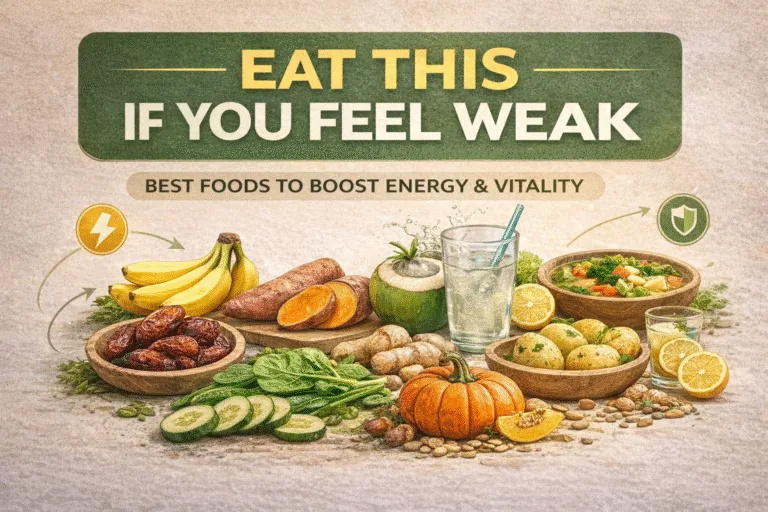
The Best Hydrating Foods for a Natural Diet
- Cucumbers: Composed of about 96 percent water, these are nature’s ultimate hydration sticks.
- Watermelon: Not only is it hydrating, but it also contains lycopene and essential electrolytes.
- Leafy Greens: Spinach and lettuce are surprisingly high in water content and help maintain fluid balance.
- Berries: Strawberries and raspberries provide moisture alongside powerful antioxidants.
- Zucchini: A great base for raw meals that provides a steady stream of moisture to the gut.
Why Nature Does Not Chug
If you watch a cat or a dog drink, they take small, frequent laps of water. They do not “chug” in the way humans do when we realize we haven’t had a drink in four hours. The idea of “cleansing” when necessary is a natural instinct. Animals use water to flush their systems when they feel a dip in energy or after a period of exertion. They do not treat water intake as a chore or a mathematical equation. When we align our diet with what is naturally intended for our species, we find that the “need” for constant extra water begins to diminish because our food is doing the work for us.
The Role of Electrolytes and Mineral Balance
A major reason people feel they need “too much” water is a lack of mineral balance. If your diet is low in potassium, magnesium, and sodium in their natural forms, your cells cannot hold onto the water you drink. You end up in a cycle of drinking and urinating without ever feeling truly refreshed. Raw fruits and vegetables are perfectly packaged with these minerals. When you get your moisture from a piece of fruit, you are getting the delivery system (water) and the keys to the cell (electrolytes) all at once. This is the biological “natural diet” mentioned in our focus image.
Signs You Might Be Over-Hydrating
Believe it or not, there is such a thing as drinking too much water. It can lead to a condition called hyponatremia, where the sodium levels in your blood become dangerously low. Common signs that you might be overdoing the plain water intake include frequent clear urination, feeling bloated or “sloshy,” and experiencing headaches despite drinking plenty of fluids. If you find yourself in this position, it might be a sign that your body is screaming for minerals and moisture-rich foods rather than more tap water.
How to Transition to a High-Moisture Lifestyle
Moving toward a more natural way of hydrating does not mean you should stop drinking water tomorrow. Instead, it involves a gradual shift in your dietary habits. Start by adding a large raw salad to your lunch or beginning your day with a big plate of fresh fruit. As you increase the volume of water-rich plants in your diet, you will likely notice that your thirst for plain water naturally decreases. You will feel more energetic, your skin will likely look clearer, and your digestion will improve because you aren’t constantly “drowning” your stomach acid with liters of liquid during meals.
A Simple Daily Strategy
Try the “Water First, Food Second” approach, but with a twist. Instead of reaching for a glass of water when you feel a bit tired, reach for an apple or an orange. See how your body responds to the structured water found in those foods. Most people find that the “fog” lifts much faster with the hit of natural fructose and cellular moisture than it does with plain water alone. This is the essence of looking into nature for our health answers.
The Environmental and Practical Benefits
Beyond just the health benefits, reducing our obsession with “chugging” water has practical perks. We reduce our reliance on plastic bottles, we spend less time running to the restroom, and we simplify our lives. When your body is properly nourished by a natural diet, you aren’t a slave to a water bottle. You become more resilient and more in tune with the environment around you. It is a liberating feeling to know that your hydration is handled by the delicious food you eat rather than a daily quota you have to hit.
Finding Your Unique Balance
At the end of the day, every body is different. Some people live in hot climates and sweat more, requiring more fluid. Others lead sedentary lives in air-conditioned offices. However, the universal truth remains that a diet high in dehydrating, processed foods is the primary driver of our modern water obsession. By shifting the focus back to raw, living foods, we honor our biological heritage. We stop acting like machines that need to be “programmed” to drink and start acting like the intuitive living beings we are.
Conclusion: Returning to the Source
The message is simple but revolutionary: Humans drink way too much water because we eat foods that are way too dry. If we want to experience true vitality, we have to look at the quality of our hydration, not just the quantity. By embracing a diet rich in fruits and vegetables, we provide our cells with the structured moisture they were designed to use. We can move away from the “chug and flush” cycle and move toward a state of deep, lasting nourishment. Nature has already provided the blueprint for perfect health; all we have to do is follow it. So, the next time you feel thirsty, ask yourself if your body wants a glass of water or a juicy piece of fruit. The answer might just change the way you look at health forever.
Would you like me to help you create a specific meal plan based on these hydrating, high-moisture foods?