Top Vitamin Rich Foods Guide Best Natural Sources for Immune Support Health Wellness
Getting the right nutrients into your daily routine does not have to feel like a complex science experiment. In fact, some of the most powerful tools for longevity and vibrant energy are likely already sitting in your pantry or refrigerator. Understanding which foods are dense in specific vitamins is the first step toward taking control of your physical and mental well-being. When we focus on whole, unprocessed sources of nutrition, we provide our bodies with a synergistic blend of vitamins, minerals, and antioxidants that supplements alone often struggle to replicate. This guide explores the essential vitamins your body craves and the delicious, natural ways you can incorporate them into every meal.
The Power of Vitamin C for Immunity and Radiance
Most people immediately think of a cold glass of orange juice when they feel a sniffle coming on, and for good reason. Vitamin C is a cornerstone of immune function, but its benefits extend far beyond fighting off the common cold. This water-soluble vitamin is a potent antioxidant that protects cells from damage and is vital for the production of collagen, the protein that keeps your skin looking firm and youthful.
Top Sources for Your Vitamin C Fix
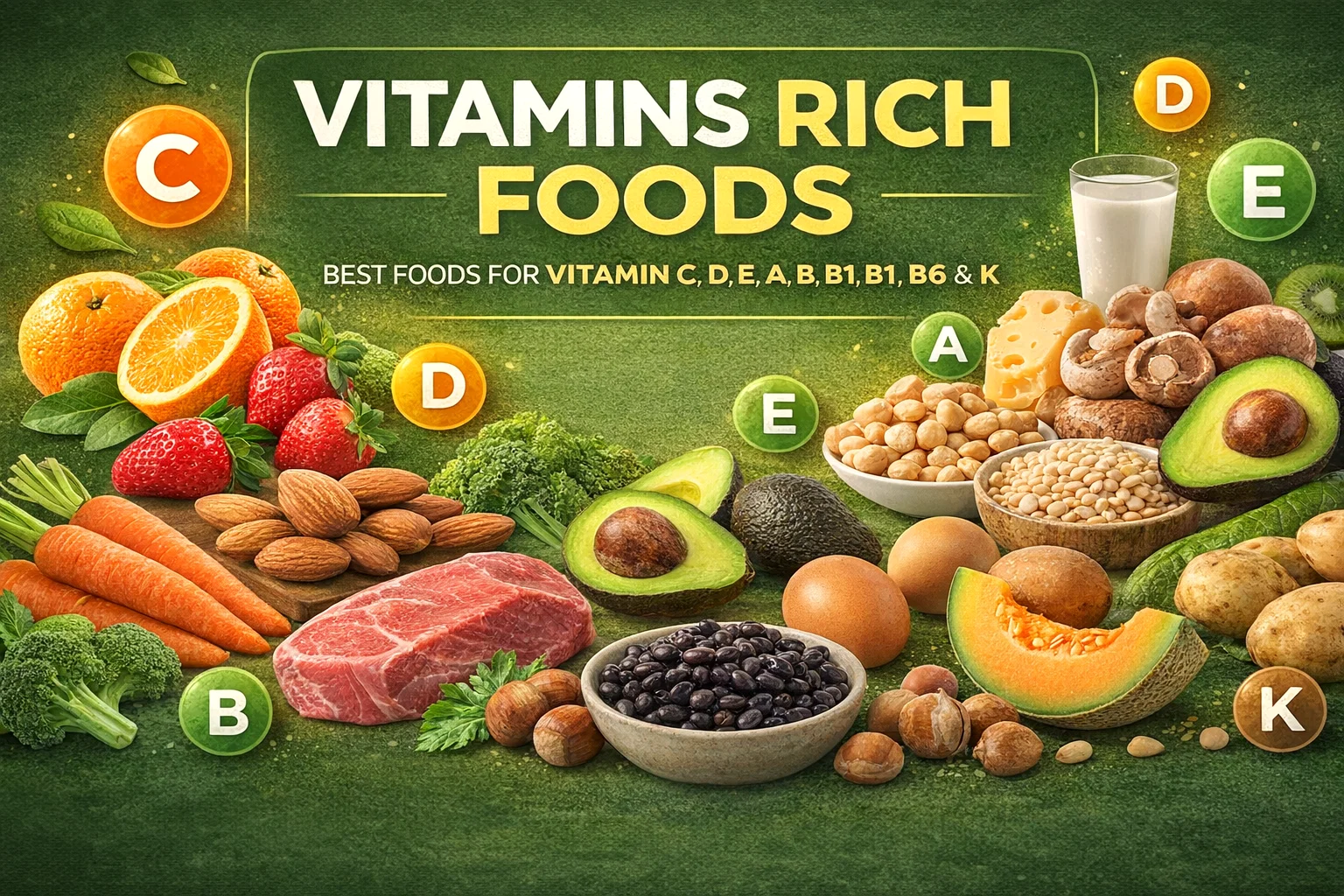
- Oranges and Citrus: The classic choice for a quick burst of refreshing nutrition.
- Kiwi: Ounce for ounce, these small fuzzy fruits actually contain more Vitamin C than oranges.
- Strawberries: Perfect for adding a sweet, antioxidant-rich punch to your morning yogurt or smoothie.
- Bell Peppers: Especially the red and yellow varieties, which are packed with more Vitamin C than most fruits.
Incorporating these into your diet is simple. Try slicing bell peppers for a crunchy snack with hummus, or start your day with a fruit salad featuring kiwi and strawberries to give your immune system an early win.
Strengthening from Within with Vitamin D
Often called the sunshine vitamin, Vitamin D is unique because our bodies can produce it when our skin is exposed to sunlight. However, for those living in cooler climates or spending a lot of time indoors, dietary sources become incredibly important. Vitamin D is essential for calcium absorption, making it a critical player in bone health and the prevention of osteoporosis. Recent studies also suggest it plays a significant role in mood regulation and supporting a healthy nervous system.
Where to Find Vitamin D on Your Plate
Finding Vitamin D in food can be a bit more challenging than other vitamins, but focusing on these staples will help bridge the gap:
- Sardines and Fatty Fish: These are among the best natural sources of Vitamin D available.
- Fortified Milk: Many dairy and plant-based milks are enriched with Vitamin D to ensure you meet your daily requirements.
- Mushrooms: Some varieties, especially those exposed to UV light, can provide a plant-based boost of this nutrient.
- Cheese: Certain types of cheese contain small amounts of Vitamin D along with much-needed calcium.
Vitamin E: The Ultimate Cellular Bodyguard
Vitamin E is a fat-soluble nutrient that acts as a primary defender against oxidative stress. It helps maintain healthy skin and eyes and strengthens the body’s natural defense against illness and infection. Because it is fat-soluble, it is best absorbed when eaten alongside healthy fats, which is convenient since many of its best sources are nuts and seeds.
Rich Sources of Vitamin E
To keep your cells protected, look toward these nutrient-dense options:
- Almonds: A handful of almonds makes for a perfect portable snack that supports heart health.
- Avocados: Beyond being delicious on toast, avocados provide healthy monounsaturated fats that help your body use Vitamin E effectively.
- Hazelnuts and Pine Nuts: Great for tossing into salads or using as a base for a homemade pesto.
Vision and Vitality through Vitamin A
Vitamin A is perhaps best known for its role in maintaining healthy vision, particularly in low light. It also supports the health of your heart, lungs, and kidneys. In the world of food, Vitamin A comes in two forms: preformed Vitamin A found in animal products and provitamin A (carotenoids) found in colorful plant foods. You can usually spot Vitamin A-rich plants by their vibrant orange and deep green hues.
The Best Foods for Vitamin A
- Carrots: Rich in beta-carotene, which the body converts into Vitamin A.
- Spinach: A leafy green powerhouse that supports overall cellular health.
- Mangos and Cantaloupe: These sweet fruits are excellent for satisfying a sugar craving while boosting your nutrient intake.
The B-Vitamin Complex: Energy and Brain Function
The B-vitamins are a group of eight distinct nutrients that work together to convert the food you eat into the energy your body uses to function. They are also heavily involved in creating red blood cells and maintaining healthy brain chemistry. While they are often grouped together, focusing on specific B-vitamins like B1 and B6 can help target specific health goals.
Essential Sources of Vitamin B, B1, and B6
To keep your metabolism humming and your mind sharp, include a variety of these foods:
- Whole Grains: Oats and brown rice are fantastic sources of B-vitamins and fiber.
- Proteins: Beef, pork, and chicken provide the high-quality protein and B-vitamins necessary for muscle repair and energy.
- Legumes: Beans and chickpeas are budget-friendly, plant-based sources that keep you feeling full and energized.
- Bananas and Potatoes: These are particularly high in Vitamin B6, which is crucial for brain development and function.
Vitamin K for Bone Health and Healing
Vitamin K is the unsung hero of the vitamin world. It plays a vital role in blood clotting, ensuring that your body can heal properly after an injury. Furthermore, Vitamin K works in tandem with Vitamin D to ensure that calcium is deposited in your bones rather than in your arteries. If you want to maintain strong bones as you age, Vitamin K is non-negotiable.
Green and Lean: Sources of Vitamin K
The easiest way to remember Vitamin K sources is to think green. Leafy vegetables are the undisputed kings of this category.
- Kale and Broccoli: These cruciferous vegetables are packed with Vitamin K and other cancer-fighting phytonutrients.
- Brussels Sprouts: Roasted with a little olive oil, these become a delicious and nutrient-dense side dish.
- Prunes: Often overlooked, dried plums are a surprising source of Vitamin K and are excellent for digestive health.
Building a Balanced Plate Every Day
While it is helpful to know which foods contain specific vitamins, the goal should always be variety. A plate that features a mix of colors, textures, and food groups is the best insurance policy against nutrient deficiencies. For example, a dinner of grilled salmon (B6 and D) served with a side of sautéed kale (K and A) and brown rice (B1) covers a massive portion of your daily requirements in a single sitting.
Simple Tips for Better Nutrient Absorption
Eating the right foods is only half the battle; you also want to make sure your body can actually use those nutrients. Here are a few quick tips:
- Add a Healthy Fat: Since Vitamins A, D, E, and K are fat-soluble, always eat your greens or carrots with a source of fat like olive oil, nuts, or avocado.
- Don’t Overcook: Water-soluble vitamins like C and B can be lost in boiling water. Try steaming, roasting, or eating vegetables raw to preserve their potency.
- Pair Vitamin C with Iron: If you are eating plant-based iron sources like beans or spinach, add a squeeze of lemon or some bell peppers to significantly increase iron absorption.
Conclusion: Your Health is on Your Plate
Investing in your health does not require expensive supplements or complicated diet plans. By returning to the basics and focusing on the whole foods nature provides, you can fuel your body with the exact vitamins it needs to thrive. Whether it is the immune-boosting power of citrus, the bone-strengthening benefits of leafy greens, or the energy-sustaining qualities of whole grains, every bite is an opportunity to nourish yourself. Start small by adding one or two of these vitamin-rich foods to your meals this week and notice the difference in how you feel. Your journey to better health begins with the very next meal you prepare.