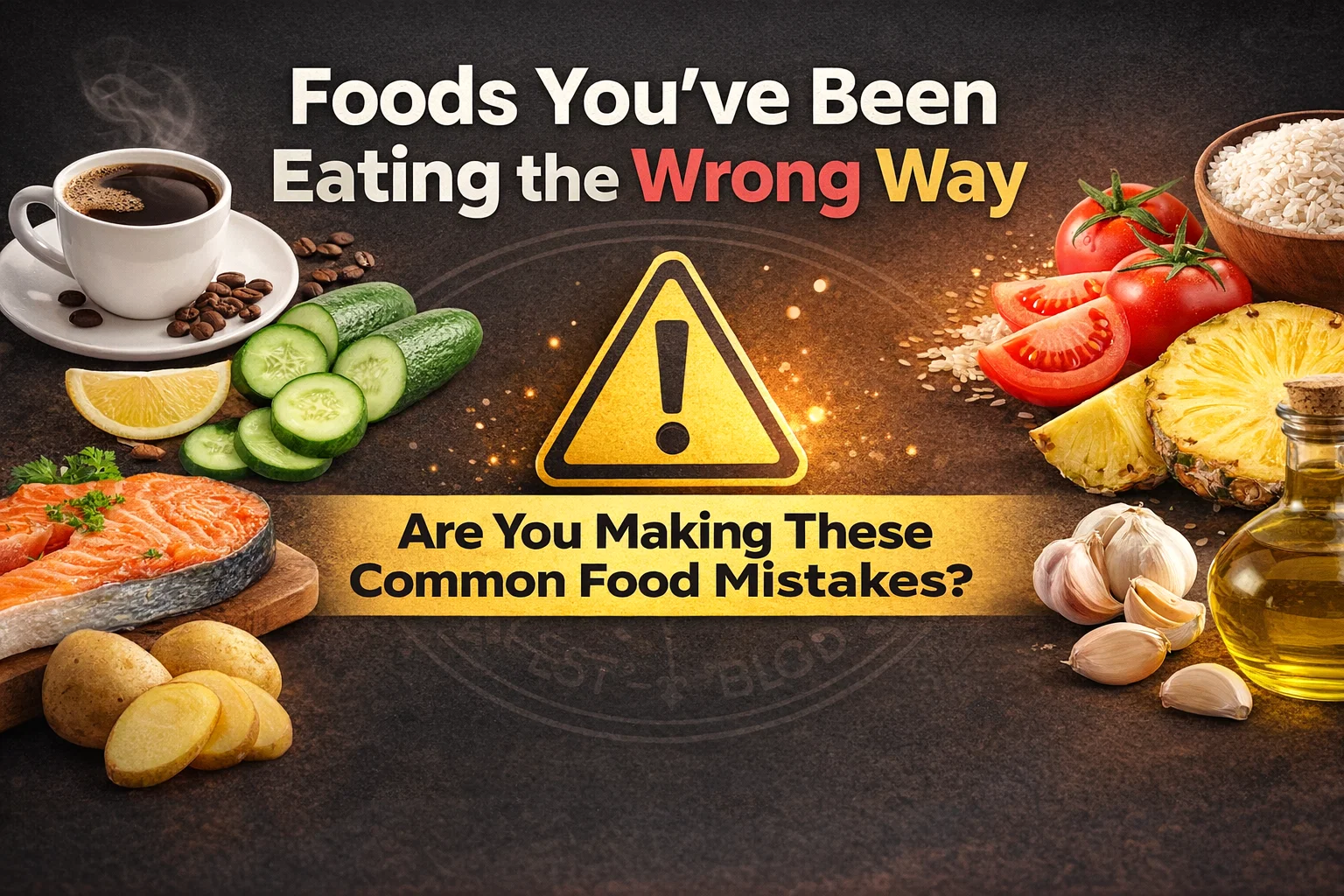
8 Nutrition Hacks You Didnt Know How to Eat These Common Foods for Maximum Health Benefits
Most of us spend a significant amount of time picking out the highest quality groceries, sourcing organic produce, and scrolling through healthy recipes. However, what if the way you are actually consuming those foods is canceling out their benefits? It turns out that nutrition is not just about what you eat, but how you prepare and pair your ingredients. From the way you brew your morning coffee to the specific moment you toss garlic into a hot pan, tiny adjustments in your kitchen habits can lead to massive improvements in your energy levels and long term health. This guide explores the science of maximizing nutrients so you can stop eating the wrong way and start fueling your body with intention.
The Morning Mistake: Why Coffee on an Empty Stomach is a No-Go
For many, the smell of coffee is the only thing that gets them out of bed. While coffee is packed with antioxidants, drinking it the moment you wake up on an empty stomach can trigger a cascade of internal stress. When you first wake up, your body is naturally high in cortisol, the hormone that helps you feel alert. Introducing caffeine at this peak can cause a cortisol spike that leads to mid morning jitters and an inevitable energy crash later in the day.
How to Drink Coffee the Right Way
To keep your hormones balanced, try having your coffee after a small meal or at least alongside a source of protein and healthy fats. This slows down the absorption of caffeine and protects your stomach lining from the acidity of the brew. By waiting just thirty minutes to an hour after waking, you allow your natural cortisol levels to stabilize, ensuring that your caffeine kick actually supports your productivity instead of sabotaging it.
Rice and Resistance: The Cooling Trick for Gut Health
Rice is a staple for billions of people, but most of us are missing out on its potential as a functional food. Standard white or brown rice is high in starch, which the body quickly converts into glucose. However, there is a simple preparation hack that transforms these carbs into a superpower for your gut: cooking and cooling.
The Power of Resistant Starch
When you cook rice and then let it cool in the refrigerator for several hours, a process called retrogradation occurs. This increases the levels of resistant starch by up to 30 percent. Resistant starch acts more like fiber than a carbohydrate; it bypasses the small intestine and reaches the colon, where it feeds your beneficial gut bacteria. Always remember to rinse your rice thoroughly before cooking to remove excess surface starch and impurities, ensuring a fluffy texture and a cleaner nutritional profile.
Don’t Peel Away the Nutrients: Cucumbers and Potatoes
In our quest for perfectly smooth textures, we often reach for the vegetable peeler. This is one of the most common ways we accidentally strip away the best parts of our produce. For vegetables like cucumbers and potatoes, the skin is where the magic happens.
Fiber and Potassium in Every Bite
The skin of a cucumber contains the vast majority of its fiber and vitamin K. Similarly, potato skins are rich in potassium, iron, and vitamin C. When you peel these vegetables, you are essentially throwing away the components that help regulate your blood sugar and support your heart health. If you are worried about pesticides or wax, opt for organic varieties and use a sturdy vegetable brush to scrub them clean under running water. Keeping the skin on not only boosts the nutrition but also adds a satisfying texture to your meals.
The Science of Lycopene: Why Cooked Tomatoes Reign Supreme
There is a common misconception in the wellness world that raw is always better. While raw tomatoes are great for vitamin C, they are not the most efficient way to get lycopene. Lycopene is a powerful antioxidant linked to heart health and skin protection, but it is locked tightly within the cell walls of the tomato.
Boosting Absorption by 3x
Heat breaks down those tough cell walls, making the lycopene much more bioavailable. In fact, research shows that cooking tomatoes can increase lycopene absorption by two to three times compared to eating them raw. To further enhance this benefit, pair your cooked tomatoes with a healthy fat like olive oil. Since lycopene is fat soluble, the oil acts as a carrier, helping your body soak up every bit of that antioxidant goodness. Think slow roasted tomatoes, homemade marinara, or even a simple sauté.
Preserving Omega 3s: The Art of Cooking Fish
Fish is a premier source of Omega 3 fatty acids, which are essential for brain function and reducing inflammation. However, these delicate fats are highly sensitive to heat. If you are pan frying your salmon until it is crispy and charred, you might be destroying up to 50 percent of the very nutrients you are eating the fish for in the first place.
Gentle Cooking Methods
To keep those healthy fats intact, shift toward gentler cooking methods. Steaming, poaching, or low temperature baking are ideal. These techniques preserve the integrity of the Omega 3s and keep the fish moist and tender. If you do prefer a sear, keep it brief and finish the cooking process at a lower heat. Your heart and your brain will thank you for the extra effort.
The 10 Minute Rule: How to Activate Your Garlic
Garlic is famous for its medicinal properties, specifically a compound called allicin. Allicin is what gives garlic its anti inflammatory and immune boosting powers. The catch? Allicin does not actually exist in a whole clove of garlic. It is created through a chemical reaction when the garlic is crushed or chopped.
Let It Sit
If you chop garlic and immediately throw it into a hot pan, the heat deactivates the enzyme needed to create allicin before it has a chance to work. To maximize the benefits, you should crush or mince your garlic and let it sit on the cutting board for at least 10 minutes before cooking. This “wait time” allows the allicin levels to peak, increasing the health benefits by up to 70 percent. Once the reaction has occurred, the compound is much more stable and can better withstand the heat of your stove.
Pineapple and Digestion: Timing is Everything
Pineapple is more than just a sweet tropical fruit; it contains bromelain, a unique enzyme that aids in the digestion of proteins. However, eating pineapple on an empty stomach can be quite acidic for some people, leading to digestive irritation or a stinging sensation in the mouth.
The Perfect Pair
To get the most out of your pineapple, try pairing it with a protein source or eating it at the end of a meal. The bromelain will go to work helping your body break down the proteins in your main dish, making digestion smoother and more efficient. This simple timing trick can reduce bloating and ensure you are getting the digestive support this fruit is famous for.
Conclusion: Small Changes, Big Results
Achieving your health goals does not always require a total diet overhaul. Often, the secret lies in the small, scientific details of how we handle our food. By rinsing your rice, letting your garlic rest, and leaving the peeler in the drawer, you are taking proactive steps toward a more nutrient dense lifestyle. These habits are easy to implement but pay off significantly in how you feel every day. Start by picking just one of these hacks to try tonight, and soon, eating the right way will become second nature. Your body is a complex system, and by giving it the nutrients it needs in the form it can best use, you are setting yourself up for long term wellness and vitality.
Would you like me to generate a meta description or some internal linking suggestions for this post to help it rank better on Google?