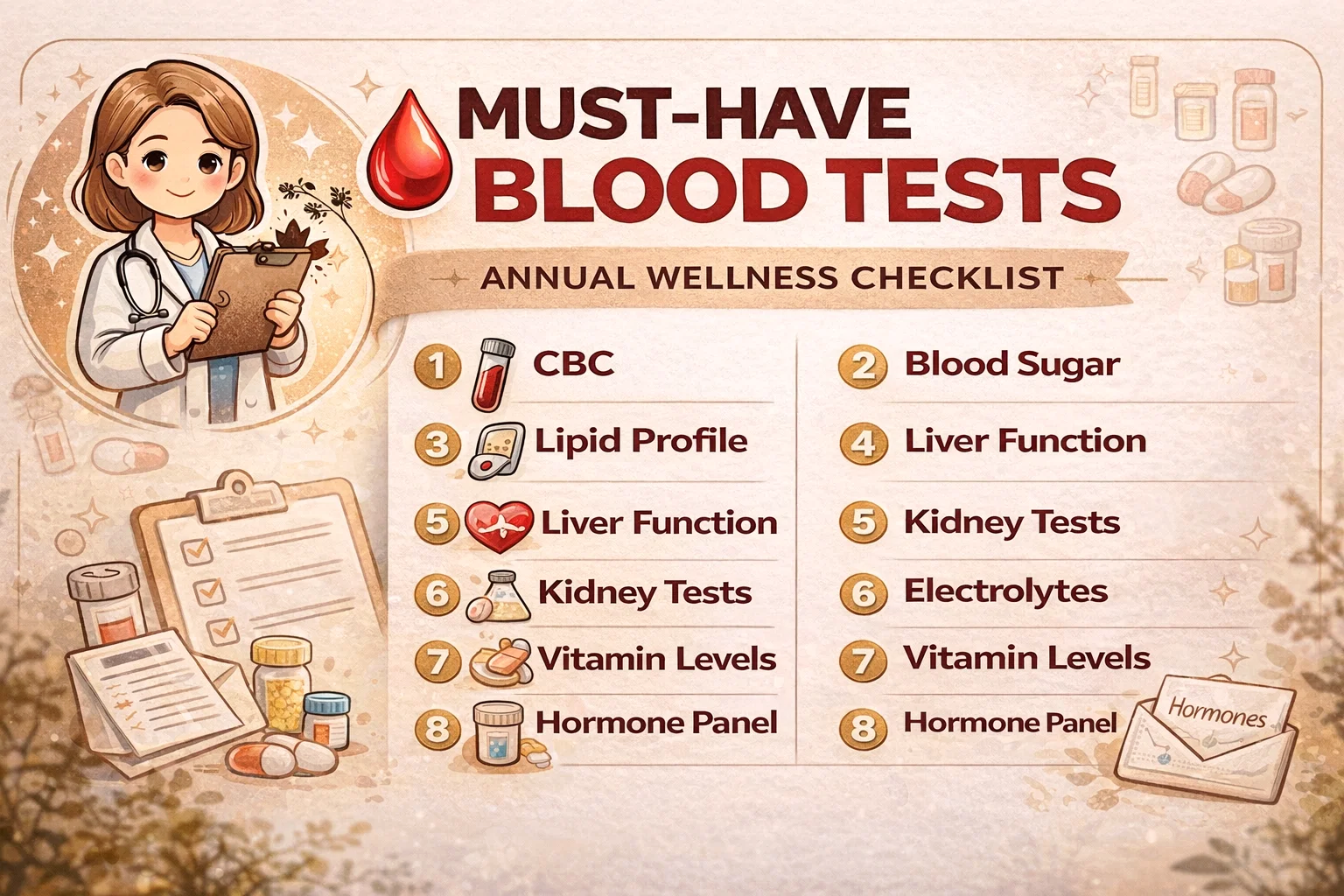
Must-Have Annual Blood Tests Quick Guide Essential Lab Tests for Holistic Wellness Health
Taking a proactive approach to your health is one of the most empowering decisions you can make. While we often wait until we feel run down or notice a specific symptom to visit a doctor, the real magic happens in preventative care. Routine blood work serves as a powerful window into your internal world, offering a clear picture of how your organs are functioning, where your nutrient levels stand, and whether there are early warning signs of inflammation or disease. By staying consistent with annual screenings, you move from reactive healthcare to a lifestyle of true wellness and longevity.
The Importance of an Annual Blood Work Baseline
Think of your annual blood tests as a yearly performance review for your body. Without these metrics, you are essentially flying blind. You might feel fine on the outside, but internal markers like cholesterol, blood sugar, and kidney function can shift quietly over time. Establishing a baseline while you are healthy is critical because it allows you to see trends. If your fasting blood sugar is slowly creeping up every year, you can make dietary adjustments long before it reaches a pre-diabetic range.
Moreover, many common complaints such as chronic fatigue, brittle hair, or mood swings are often tied to specific deficiencies that only a lab test can uncover. Instead of guessing which supplements to take, a comprehensive blood panel provides the data you need to supplement with precision. It shifts the conversation from I think something is wrong to I know exactly what my body needs.
Essential Panels for Overall Vitality
When you sit down with your healthcare provider, it helps to know which specific tests provide the most value for general wellness. While every individual has unique needs, there are several foundational tests that almost everyone should include in their yearly checkup.
Complete Blood Count (CBC)
The CBC is the most common blood test and for good reason. It measures your red blood cells, white blood cells, and platelets. This test is the primary tool for detecting anemia, which can cause profound exhaustion, as well as identifying hidden infections or immune system issues. It provides a broad look at your overall blood health and is a non-negotiable part of any physical.
Metabolic Health: Fasting Blood Sugar and HbA1c
Metabolic syndrome is a growing concern, and monitoring how your body handles glucose is vital. A fasting blood sugar test gives a snapshot of your glucose levels at a single point in time, while the HbA1c test provides a three month average. Together, these two markers offer a comprehensive view of your diabetes risk and insulin sensitivity. Catching imbalances early allows for lifestyle interventions that can literally save your life.
Lipid Profile and Heart Health
Heart disease remains a leading health concern globally. A lipid panel measures your total cholesterol, LDL (often called bad cholesterol), HDL (good cholesterol), and triglycerides. Understanding these ratios helps assess your cardiovascular risk. However, it is important to look at these numbers in context with other markers like inflammation to get a full picture of your heart health.
Monitoring Your Internal Filters: Liver and Kidney Function
Your liver and kidneys are the ultimate filtration system, working tirelessly to remove toxins and waste from your bloodstream. Because these organs are so resilient, they often do not show outward signs of distress until a problem is well advanced. Annual testing is the best way to ensure they are performing optimally.
Liver Function (AST/ALT)
Liver enzymes like AST and ALT are released into the blood when the liver is stressed or damaged. High levels can indicate anything from fatty liver disease to reactions from medications or alcohol. Monitoring these levels annually helps you make necessary adjustments to your diet or lifestyle to support liver detoxification.
Kidney Tests (BUN, Creatinine, eGFR)
The kidneys filter waste products and maintain the balance of fluids and electrolytes in the body. Tests for Blood Urea Nitrogen (BUN) and Creatinine, along with the estimated Glomerular Filtration Rate (eGFR), tell you how effectively your kidneys are clearing waste. Maintaining kidney health is essential for blood pressure regulation and overall longevity.
The Role of Inflammation and Micronutrients
Beyond the standard metabolic and organ panels, looking at inflammation and specific nutrients can provide deep insights into why you might be feeling less than your best. This is where holistic wellness truly begins.
C-Reactive Protein (CRP)
CRP is a marker of systemic inflammation in the body. While it is non-specific, meaning it does not tell you exactly where the inflammation is coming from, a high reading is a red flag that something is taxing your system. It could be related to gut health, chronic stress, or even cardiovascular issues. Lowering inflammation is a key goal for anyone interested in aging gracefully and preventing chronic disease.
Vitamin D, B12, and Iron
Nutrient deficiencies are incredibly common, even in individuals with a healthy diet.
- Vitamin D: Essential for bone health, immune function, and mood regulation. Many people are chronically low, especially in winter months.
- Vitamin B12: Critical for nerve function and energy production. Deficiencies can lead to brain fog and tingling in the extremities.
- Iron (Ferritin): Ferritin measures your iron stores. Low iron is a frequent cause of thinning hair and low energy, particularly in women.
Testing these specific levels allows you to supplement intelligently rather than taking a generic multivitamin and hoping for the best.
Thyroid and Hormonal Balance
Your hormones act as chemical messengers that control almost every major process in your body, from your metabolism to your sleep cycles. When these are out of balance, it can feel like your entire system is crashing.
TSH and Thyroid Function
The Thyroid Stimulating Hormone (TSH) test is the standard starting point for checking thyroid health. Your thyroid regulates your metabolism, body temperature, and heart rate. If you find yourself gaining weight unexpectedly, feeling constantly cold, or experiencing anxiety, a full thyroid panel (including Free T4 and Free T3) can provide the answers you need.
Hormone Panels for Life Stages
While not always part of a standard annual checkup, a hormone panel can be incredibly helpful if you are experiencing symptoms like irregular cycles, infertility, or symptoms of menopause. Checking levels of estrogen, progesterone, and testosterone can help you and your doctor create a targeted plan for hormonal harmony through nutrition, stress management, or medical support.
Electrolytes and Hydration Balance
We often talk about drinking more water, but hydration is really about the balance of electrolytes like sodium, potassium, and chloride. These minerals are essential for nerve signaling, muscle contraction, and maintaining a steady heartbeat. An electrolyte panel is a quick way to ensure your body has the electrical balance it needs to function. If you are an athlete or someone who struggles with muscle cramps and headaches, this is a vital area to monitor.
Preparing for Your Blood Test
To get the most accurate results, proper preparation is key. Most of the tests mentioned, especially fasting blood sugar and lipid profiles, require you to abstain from food and drink (except water) for 8 to 12 hours before the draw. Additionally, try to stay well-hydrated with water the day before, as it makes the blood draw process much easier and ensures your results are not skewed by dehydration.
It is also a good idea to keep a record of your results from year to year. Most patient portals now offer digital graphs so you can track your progress. If you see a marker moving out of the optimal range, do not panic. Use that information as a tool for conversation with your doctor and as motivation to refine your wellness habits.
Final Thoughts on Proactive Health
Health is not just the absence of disease; it is the presence of vitality. By prioritizing these annual blood tests, you are taking a stand for your future self. You are choosing data over guesswork and prevention over treatment. Whether you are looking to boost your energy, improve your athletic performance, or simply ensure you are around for your family for years to come, these labs are the roadmap to get you there.
Remember that you are the primary advocate for your health. If your doctor does not automatically order some of these tests, do not be afraid to ask for them. Being informed about your Vitamin D levels or your inflammation markers is a fundamental part of modern self-care. Take the list, book the appointment, and start building your foundation for long term wellness today.
Save this guide for your next checkup and take the first step toward total body awareness!