12 Powerful Foods That Help Lower Blood Pressure Naturally Heart Healthy Nutrition Tips
Managing your health starts with the choices you make in the kitchen. When it comes to cardiovascular wellness, the old saying that food is medicine has never been more accurate. High blood pressure, or hypertension, is often called a silent condition because it can impact your body for years without showing obvious symptoms. However, one of the most effective and empowering ways to take control of your numbers is through a nutrient-dense diet. By focusing on whole foods that are naturally rich in potassium, magnesium, and fiber, you can support your arteries and heart function every single day. This guide dives deep into twelve incredible foods that are scientifically backed to help lower blood pressure and improve your overall vitality.
The Power of Leafy Greens and Potassium
Leafy greens are the foundation of any heart-healthy diet. Spinach, kale, swiss chard, and collard greens are packed with potassium, which is a critical mineral for blood pressure management. Potassium helps your kidneys get rid of more sodium through your urine, which in turn eases the tension in your blood vessel walls. Most modern diets are far too high in sodium and too low in potassium, so making a conscious effort to load up on greens can shift that balance back in your favor.
How to Incorporate More Greens
If you aren’t a fan of large salads, there are plenty of ways to sneak these powerhouses into your meals. Try blending a handful of fresh spinach into your morning fruit smoothie; you will barely taste the difference, but you will get all the fiber and mineral benefits. You can also sauté kale with a little bit of olive oil and garlic for a quick side dish that pairs perfectly with lean proteins. The goal is consistency, so aim for at least one serving of leafy greens every day to see a long term impact on your circulation.
Berries and Flavonoids for Vascular Health
Berries are more than just a sweet treat. Blueberries, strawberries, and raspberries contain natural compounds called flavonoids. Research has consistently shown that consuming these compounds can prevent hypertension and help lower blood pressure in those who already have elevated levels. The antioxidants in berries also help reduce oxidative stress and inflammation in the cardiovascular system, keeping your arteries flexible and resilient.
The Best Ways to Enjoy Berries
Berries are incredibly versatile. You can add them to your morning oatmeal, mix them into yogurt, or simply enjoy them as a refreshing snack. Because they are low in calories and high in fiber, they satisfy your sweet tooth without causing the blood sugar spikes associated with processed desserts. Frozen berries are just as nutritious as fresh ones, making it easy to keep these heart-healthy gems in your kitchen year round.
Oats and Soluble Fiber
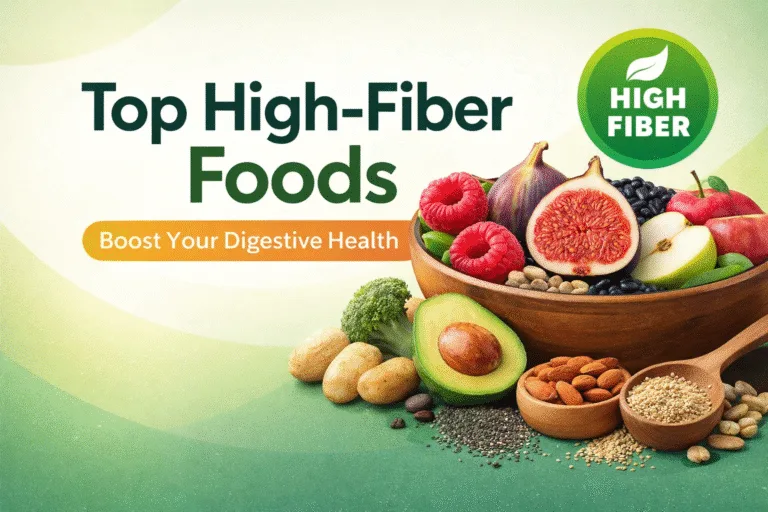
Starting your day with a bowl of oatmeal is one of the best favors you can do for your heart. Oats contain a specific type of fiber called beta-glucan, which has been shown to reduce both systolic and diastolic blood pressure. Beyond blood pressure, oats are famous for lowering cholesterol levels, providing a dual benefit for your entire circulatory system. Fiber acts like a broom for your arteries, helping to clear out unwanted fats and keeping everything flowing smoothly.
Upgrading Your Morning Oats
To maximize the benefits, choose steel-cut or rolled oats over the highly processed instant varieties, which often contain added sugars and salt. You can enhance your oatmeal by topping it with other foods from this list, such as berries, bananas, or a drizzle of olive oil. If you prefer savory flavors, try making savory oats with sautéed spinach and a soft-boiled egg for a nutrient-packed breakfast that keeps you full for hours.
Fatty Fish and Omega-3 Fatty Acids
Fatty fish like salmon, mackerel, and sardines are premier sources of omega-3 fatty acids. these essential fats are known for their ability to reduce inflammation throughout the body. When inflammation in the blood vessels is reduced, the heart doesn’t have to work as hard to pump blood. Omega-3s also help lower levels of triglycerides and can slightly reduce the risk of irregular heartbeats. For those looking to manage blood pressure naturally, including fish in the diet twice a week is a highly recommended strategy.
Preparing Fish for Maximum Health
The way you prepare your fish matters just as much as the fish itself. Avoid deep-frying, as the unhealthy fats used in frying can negate the benefits of the omega-3s. Instead, try baking, grilling, or poaching your fish with lemon and fresh herbs. Seasoning with herbs like dill or parsley allows you to skip the salt while still enjoying a flavorful and gourmet-quality meal.
Beets and the Magic of Nitrates
Beets are a unique addition to the list because they are incredibly high in natural nitrates. When you eat beets, your body converts these nitrates into nitric oxide. Nitric oxide is a gas that helps your blood vessels relax and dilate, which significantly improves blood flow and lowers blood pressure almost immediately. Some studies have shown that drinking a glass of beet juice can lead to a noticeable drop in blood pressure within just a few hours.
Adding Beets to Your Menu
Beets can be eaten raw, roasted, or even juiced. Roasted beets have a natural sweetness that works beautifully in grain bowls or paired with goat cheese. If you enjoy the earthy flavor, try grating raw beets into a slaw with carrots and a light vinaigrette. For those who are always on the go, beet powder supplements are also an option, though eating the whole food provides the added benefit of dietary fiber.
The Protective Benefits of Garlic
Garlic is a staple in kitchens worldwide, but it is also a powerful medicinal tool. The main active compound in garlic is called allicin, which is released when garlic is crushed or chopped. Allicin is thought to increase the body’s production of nitric oxide, similar to beets, helping the muscles in your blood vessels relax. Garlic also has anti-fungal and antibacterial properties, making it a true all-around health booster.
Cooking with Garlic for Heart Health
To get the most out of your garlic, let it sit for about ten minutes after chopping before you add it to your heat source. This brief waiting period allows the allicin to fully form. Use fresh garlic whenever possible rather than the pre-minced jars to ensure you are getting the highest concentration of active compounds. It is an excellent salt substitute, providing deep savory flavor to soups, sauces, and roasted vegetables without the negative impact of sodium.
Bananas and Avocados: The Potassium Kings
While many people know bananas are high in potassium, avocados actually contain even more of this vital mineral. Both of these fruits are essential for anyone tracking their blood pressure. As mentioned earlier, potassium balances out the effects of salt and eases pressure on the arterial walls. Avocados have the added benefit of being rich in monounsaturated fats, which are the healthy fats that improve cholesterol markers and support brain health.
Simple Ways to Eat More Potassium
A banana is the ultimate portable snack, but you can also slice it onto peanut butter toast or stir it into yogurt. Avocados are equally easy to use; smash them onto whole-grain bread for avocado toast, add slices to your sandwiches, or blend them into a creamy salad dressing. Because avocados are so satisfying, they can help you feel full longer, which supports weight management, another key factor in maintaining healthy blood pressure.
Dark Chocolate and Flavonols
It might seem too good to be true, but dark chocolate can actually be good for your heart. The cocoa in dark chocolate contains flavonols, which help the vascular system work more efficiently. These compounds encourage the lining of the arteries to produce nitric oxide, leading to better blood flow. However, the key here is moderation and quality. To reap the benefits, you should look for chocolate that is at least 70 percent cocoa and keep your portion sizes small.
Choosing the Right Chocolate
Not all chocolate is created equal. Milk chocolate and white chocolate contain very little cocoa and are high in sugar and unhealthy fats, which can actually harm your heart health. Stick to a small square of high-quality dark chocolate as an evening treat. This allows you to enjoy the luxury of chocolate while supporting your cardiovascular goals. Combining dark chocolate with a few almonds can provide a satisfying crunch along with extra magnesium and healthy fats.
Beans, Lentils, and Magnesium
Legumes, including beans, peas, and lentils, are nutritional powerhouses. They are rich in fiber, protein, and most importantly, magnesium. Magnesium is involved in over 300 biochemical reactions in the body, including the regulation of blood pressure. It helps the blood vessels relax and plays a role in transporting potassium and calcium into cells. Since many people are deficient in magnesium, adding more beans to your diet is a simple and affordable way to fill that gap.
Versatile Bean Recipes
The beauty of beans is that they fit into almost any cuisine. You can add black beans to tacos, chickpeas to salads, or lentils to hearty winter stews. If you use canned beans, be sure to rinse them thoroughly under cold water to remove any excess sodium from the canning liquid. Dried beans are even better and are very cost-effective, though they require a bit more preparation time. Their high fiber content also means they help stabilize blood sugar, which is closely linked to heart health.
The Golden Benefits of Olive Oil
Olive oil is the star of the Mediterranean diet, which is widely considered the healthiest way of eating for the heart. Extra virgin olive oil is rich in polyphenols, which are inflammation-fighting compounds that protect the lining of the blood vessels. Unlike butter or processed vegetable oils, olive oil provides healthy fats that improve the elasticity of your arteries. It is a simple swap that can have a massive impact on your long term health.
Using Olive Oil Correctly
To preserve the delicate polyphenols in extra virgin olive oil, try using it as a finishing oil. Drizzle it over finished pasta dishes, use it as a base for salad dressings, or dip whole-grain bread into it. While you can cook with it at medium temperatures, using it raw ensures you get the full spectrum of its antioxidant properties. Always look for oil in dark glass bottles to protect it from light, which can cause the oil to go rancid and lose its health benefits.
Citrus Fruits and Vitamin C
Oranges, lemons, and grapefruits are famous for their vitamin C content, but they also offer a variety of bioflavonoids that benefit the heart. Vitamin C is a potent antioxidant that helps protect cells from damage and supports the production of collagen, which keeps blood vessels strong and flexible. Citrus fruits are also a good source of fiber and potassium, making them a triple threat against high blood pressure.
Refreshing Ways to Use Citrus
Start your day with a squeeze of fresh lemon in warm water to hydrate and wake up your digestive system. Use orange slices to brighten up a spinach salad, or use lime juice as a salt-free way to season grilled chicken or fish. If you enjoy grapefruit, be aware that it can interact with certain blood pressure medications, so it is always a good idea to check with your doctor before making it a regular part of your routine.
Conclusion: Building a Heart-Healthy Lifestyle
Lowering your blood pressure is not about a temporary diet or a quick fix; it is about creating a sustainable lifestyle that nourishes your body. By consistently incorporating these twelve foods into your daily routine, you are providing your heart with the essential tools it needs to function at its best. Focus on adding more color to your plate with berries, beets, and greens, and prioritize healthy fats like those found in olive oil and fatty fish. Remember that small, daily choices add up to significant results over time. Combine these dietary changes with regular physical activity and stress management for a comprehensive approach to wellness. Your heart works hard for you every single second of the day, so give it the high-quality fuel it deserves. Start today by choosing just two or three of these foods to add to your next grocery list and enjoy the journey toward a healthier, more vibrant you.