9 Best Pasta Sauce Recipes Easy Homemade Italian Pasta Sauce Ideas for Dinner
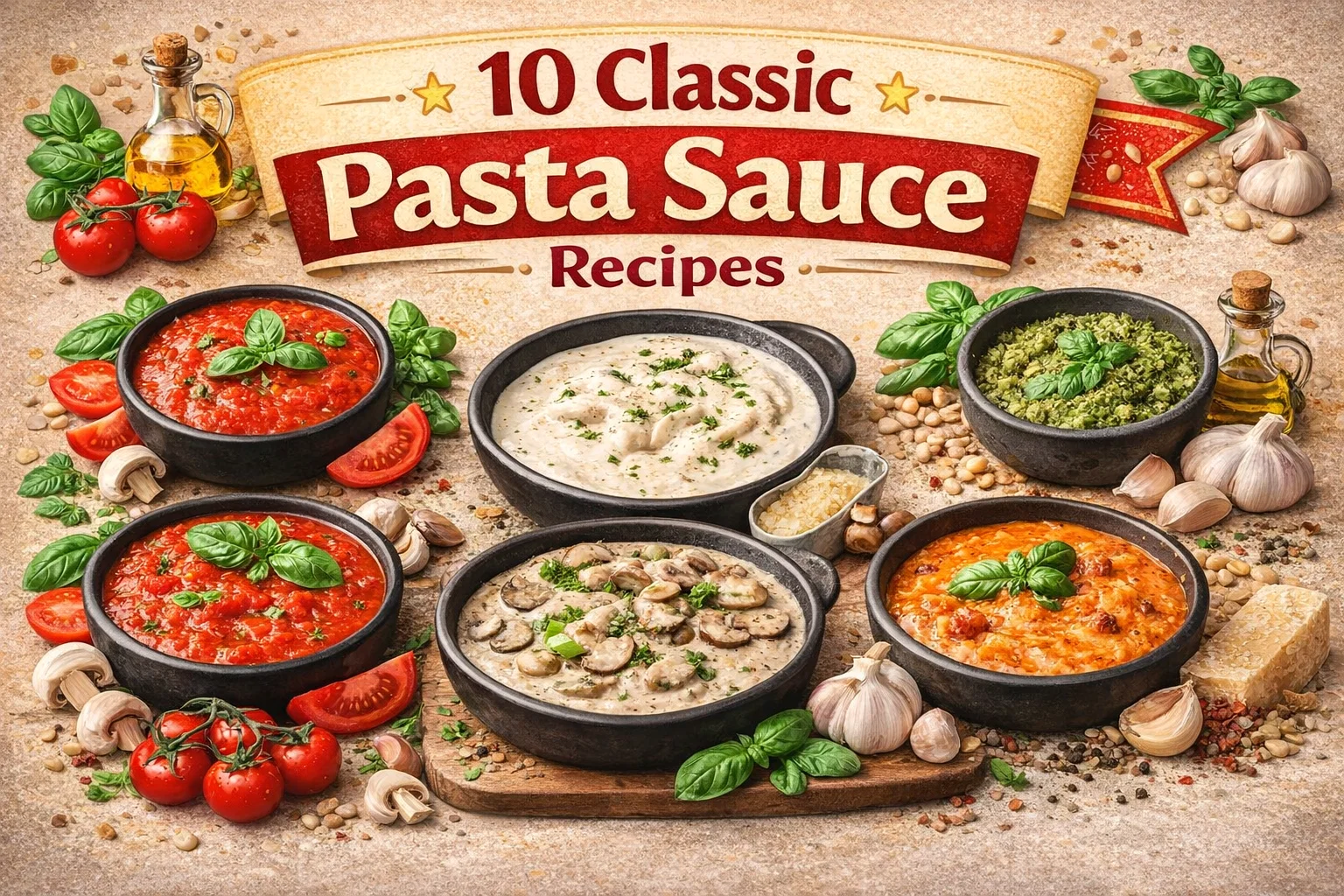
There is something undeniably magical about a simmering pot of pasta sauce filling the kitchen with the scent of fresh basil, pungent garlic, and rich tomatoes. For many of us, pasta is the ultimate comfort food, but the secret to a truly transformative meal lies not in the noodle itself, but in the sauce that coats it. While store bought jars are convenient for a Tuesday night, nothing compares to the depth of flavor you get from a homemade batch. Whether you are a fan of the bright acidity of a classic marinara or the indulgent creaminess of a mushroom sauce, mastering these nine essential recipes will turn you into the designated chef of your friend group.
The Foundations of Great Italian Pasta Sauces
Before we dive into the specific recipes, it is important to understand what makes a sauce stand out. Italian cooking is famously focused on the quality of ingredients rather than the complexity of the technique. When you are making a red sauce, the type of canned tomatoes you use matters just as much as how long you simmer them. Many professional chefs swear by San Marzano tomatoes because they have a naturally sweet profile and lower acidity, which creates a smoother finish without needing to add extra sugar.
Fat is another critical component. High quality extra virgin olive oil provides a fruity base for tomato sauces, while unsalted butter adds a silky, luxurious mouthfeel to white sauces like Alfredo. Finally, do not overlook the power of fresh herbs. While dried oregano and thyme are great for building a base layer of flavor during the cooking process, finishing a dish with a handful of fresh parsley or torn basil leaves adds a pop of color and a hit of fresh aroma that takes the dish from basic to gourmet.
Essential Kitchen Tools for Sauce Making
- A Heavy Bottomed Pot: This ensures even heat distribution and prevents your sauce from scorching at the bottom during long simmers.
- A Microplane or Fine Grater: Essential for turning blocks of Parmesan or Pecorino Romano into a snowy pile of cheese that melts perfectly into your sauce.
- An Immersion Blender: If you prefer a completely smooth tomato sauce over a chunky one, this tool allows you to blend right in the pot.
Mastering the Red Classics: Tomato Basil and Marinara
If you were to peek into any Italian grandmother’s kitchen, you would likely find a version of these two sauces. While they might look similar, they serve different purposes. A Tomato Basil sauce is often lighter and focuses on the aromatic quality of the fresh herbs. By using crushed tomatoes, olive oil, garlic, and a touch of thyme, you create a bright sauce that pairs beautifully with lighter pasta shapes like angel hair or spaghetti.
Marinara, on the other hand, is the workhorse of the kitchen. It is slightly more robust and often includes onions to provide a subtle sweetness and texture. It is the perfect base for dipping mozzarella sticks, topping a homemade pizza, or tossing with penne. The key to a great Marinara is patience. Letting the onions and garlic soften slowly in the olive oil before adding the tomatoes ensures that the flavors are fully integrated. Adding a pinch of red pepper flakes can provide a tiny hint of warmth without making it spicy.
The Rich and Hearty: Bolognese and Arrabbiata
When you want a meal that feels like a warm hug, Bolognese is the answer. This is a meat based sauce that originates from Bologna, Italy. It is traditionally made with a mix of ground beef and Italian sausage to provide a complex flavor profile. The addition of red wine helps to deglaze the pan and release all the savory bits of browned meat, while a splash of milk at the end tenderizes the proteins and creates a creamy, orange hued finish. Bolognese is best served with wide, flat noodles like pappardelle or tagliatelle which can hold up to the weight of the meat.
For those who prefer a bit of excitement on their plate, Arrabbiata is the spicy cousin of the marinara. The name literally translates to angry in Italian, referring to the heat from the red pepper flakes. This sauce is bold and punchy. To get the most out of your Arrabbiata, toast the red pepper flakes in the olive oil for about thirty seconds before adding your tomatoes. This infuses the oil with heat, ensuring every bite has a consistent kick. It is a fantastic option for anyone looking for a low calorie sauce that does not skimp on flavor.
The Creamy Indulgence: Alfredo and Mushroom Sauce
Sometimes, only a white sauce will do. Alfredo sauce is the peak of decadence, relying on a simple but powerful combination of heavy cream, butter, and freshly grated Parmesan cheese. The trick to a perfect Alfredo is to never let it boil once the cheese is added. High heat can cause the cheese to separate and become oily or grainy. Instead, whisk it gently over low heat until the sauce is thick enough to coat the back of a spoon. It is the ultimate pairing for fettuccine and grilled chicken.
If you want something with an earthy, umami flavor, a Creamy Mushroom Sauce is an excellent choice. By sautéing sliced mushrooms in butter until they are golden brown and slightly crispy, you develop a deep flavor that complements the richness of the cream. This sauce works wonderfully not just on pasta, but also as a topping for steak or pork chops. It is a sophisticated option that feels much more difficult to make than it actually is.
Unconventional Favorites: Vodka Sauce and Carbonara
Vodka sauce has seen a massive surge in popularity lately, and for good reason. The vodka acts as an emulsifier, helping the cream and tomato base blend together into a smooth, velvety consistency. It also helps to unlock certain flavor compounds in the tomatoes that are only soluble in alcohol. Don’t worry about the alcohol content; most of it cooks off, leaving behind a subtle brightness that cuts through the richness of the heavy cream and Parmesan. It is commonly paired with rigatoni, as the hollow tubes catch plenty of the silky sauce inside.
Then there is the legendary Carbonara. This is perhaps the most debated recipe in Italian cuisine. A true Carbonara does not use any cream at all. Instead, it relies on the emulsion of eggs, grated cheese, and starchy pasta water to create a creamy coating. The savory crunch of pancetta or bacon provides the perfect salty contrast. The most important rule of Carbonara is to take the pan off the heat before adding your egg mixture. If the pan is too hot, you will end up with scrambled eggs instead of a smooth sauce. Practice makes perfect with this one, but once you nail the technique, it is a total game changer.
Pro Tips for the Perfect Carbonara
- Use Room Temperature Eggs: This helps them emulsify more easily into the sauce without curdling.
- Save Your Pasta Water: That cloudy, salty water is liquid gold. It contains starch that acts as a glue to help the sauce stick to the noodles.
- Whisk Vigorously: When you combine the eggs and cheese, whisk them until they form a thick paste before adding them to the pasta.
The Fresh Pick: Pesto Sauce
If you are looking for a sauce that requires zero cooking time, Pesto is your best friend. Traditional Pesto alla Genovese is a vibrant green blend of fresh basil, pine nuts, garlic, olive oil, and Parmesan cheese. It is best made in a food processor or a mortar and pestle for a more rustic texture. Because pesto is a raw sauce, the quality of your basil and olive oil is paramount. It is a fantastic way to use up a summer herb garden and adds a burst of freshness to any meal. Beyond pasta, you can use it as a spread for sandwiches or a drizzle for roasted vegetables.
How to Store and Reheat Your Sauces
One of the best things about making homemade pasta sauce is that most of them taste even better the next day. Tomato based sauces like Marinara and Bolognese can be kept in the refrigerator for up to five days or frozen for up to three months. When freezing, it is helpful to use freezer safe bags and lay them flat to save space. To reheat, simply let the sauce thaw in the fridge overnight and then warm it up slowly in a saucepan over medium low heat.
Cream based sauces are a bit more delicate. Alfredo and Mushroom sauce can sometimes separate when reheated. To prevent this, add a splash of milk or water to the pan while reheating to help the sauce come back together. Avoid using the microwave for cream sauces if possible, as the uneven heating can cause the fats to break. For Carbonara, it is best enjoyed immediately, as the egg based sauce does not hold up well to being stored and reheated.
Customizing Your Sauce for Dietary Needs
The beauty of cooking at home is that you are in total control of what goes into your food. If you are following a vegan diet, you can easily swap the heavy cream in recipes for full fat coconut milk or a cashew cream. Nutritional yeast makes an excellent substitute for Parmesan cheese, providing that same nutty and salty flavor profile. For those watching their carb intake, all of these sauces are naturally keto friendly when served over zucchini noodles or spaghetti squash instead of traditional wheat pasta.
Gluten Free and Dairy Free Swaps
- Thickening: Use a cornstarch slurry or arrowroot powder instead of a flour based roux if a recipe calls for thickening.
- Healthy Fats: Use avocado oil or a high quality vegan butter substitute if you are avoiding dairy.
- Protein Boost: Add lentils or finely chopped walnuts to a Marinara to create a hearty, plant based meat sauce.
Wrapping Up Your Culinary Journey
Mastering these nine pasta sauces is about more than just following a recipe; it is about gaining the confidence to experiment in the kitchen. Once you understand the basic ratios and flavors, you can start adding your own twists. Maybe you like a little extra garlic in your Pesto, or perhaps you want to add some roasted red peppers to your Vodka sauce. The possibilities are endless when you have a solid foundation of classics to build upon.
Cooking at home allows you to slow down and appreciate the process of creating something nourishing for yourself and your loved ones. So, the next time you are tempted to reach for a jar at the grocery store, remember that a world of incredible flavor is just a few fresh ingredients away. Grab your apron, put on some music, and start simmering your way to a perfect Italian dinner.
Which one of these sauces are you going to try first? Whether it is the fiery Arrabbiata or the classic Alfredo, your taste buds will thank you. Happy cooking!
Save for later!