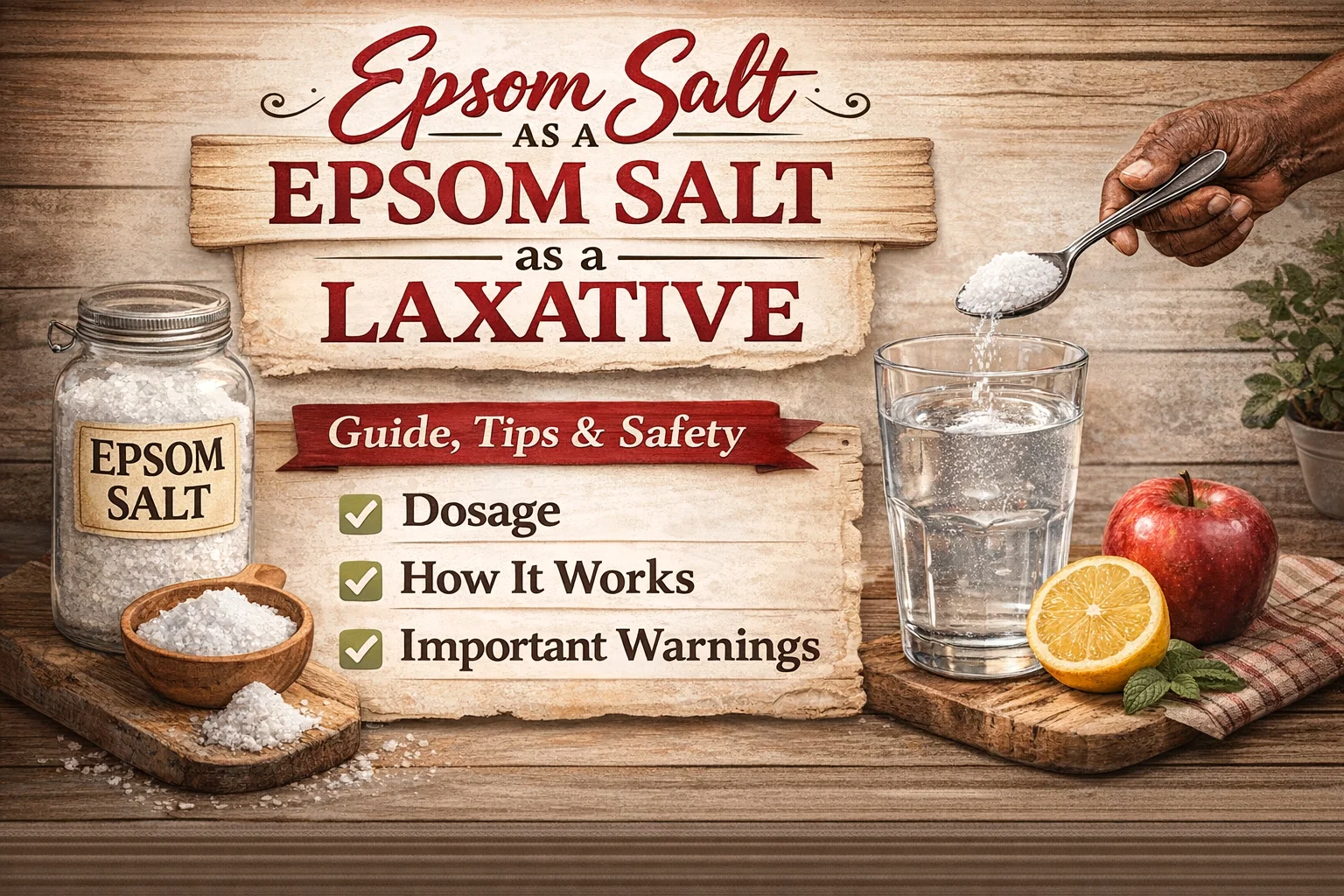
How to Use Epsom Salt as a Laxative Safe Instructions Important Dosage Tips
Finding gentle and effective ways to support our bodies often leads us back to the basics. In a world full of complex supplements and synthetic solutions, there is something deeply grounding about a remedy that has been trusted for generations. Epsom salt, while widely known for its ability to soothe sore muscles in a warm bath, holds a secondary and powerful role as a saline laxative. This traditional approach to digestive wellness is often overlooked, yet it remains one of the most straightforward methods for occasional relief from constipation. Understanding how to use it safely and effectively is the key to incorporating this natural mineral into your home wellness toolkit.
The Science of Epsom Salt as a Saline Laxative
Shutterstock
To understand why Epsom salt works, we have to look at its chemical composition. Epsom salt is technically magnesium sulfate. When you ingest it, it acts as a saline laxative through a process called osmosis. Magnesium sulfate is not easily absorbed by the intestinal walls. Instead, it stays within the digestive tract and draws water from the surrounding tissues into the colon. This increase in water volume serves two main purposes: it softens the stool and creates pressure that stimulates the muscles of the intestines to move things along. It is a mechanical process rather than a chemical one, which is why it often works relatively quickly compared to bulk-forming fiber supplements.
Why Magnesium Sulfate is Unique
Magnesium is a vital mineral that our bodies use for hundreds of biochemical reactions. However, in the context of a laxative, the sulfate component is equally important. The combination of these two elements creates a potent osmotic effect. While many people take magnesium citrate or magnesium oxide for general supplementation, magnesium sulfate in the form of Epsom salt is specifically recognized for its ability to provide short term relief for acute episodes of irregularity. It is a focused tool for a specific job.
Step by Step Guide to Preparing an Epsom Salt Drink
If you have determined that this is the right choice for your needs, preparation is simple but requires precision. Following the correct ratios is essential for both effectiveness and safety. You should always ensure you are using USP-grade Epsom salt, which is the gold standard for purity and has been cleared for internal use. Check the packaging carefully; if it is scented with eucalyptus or lavender, it is meant for the bathtub only and should never be consumed.
The Standard Dosage for Adults
For most adults and children over the age of 12, the standard recommendation is to dissolve 1 to 2 teaspoons of Epsom salt into a full 8 ounce glass of water. It is best to use warm water, as the crystals dissolve much faster and more thoroughly than they do in cold water. Stir the mixture until the water is clear and the salt is completely invisible. The taste can be quite bitter, so some people choose to add a squeeze of fresh lemon juice or a small splash of fruit juice to make the drink more palatable. However, the goal is to get the mixture down efficiently.
Timing and Environment
When you choose to take this remedy matters just as much as how you mix it. It is generally recommended to drink the solution on an empty stomach. This allows the magnesium sulfate to reach the intestines without being slowed down by a heavy meal. Because the effects can begin in as little as 30 minutes, it is wise to stay close to home and have easy access to a bathroom. While some people may take up to 6 hours to feel the effects, the onset is often much faster than expected.
What to Expect After Consumption
Once you have finished your glass of Epsom salt water, your body begins the process of drawing hydration into the gut. You might feel some rumbling or a slight bubbling sensation in your abdomen. This is normal and indicates that the osmotic process is working. It is very important to follow the salt mixture with a second, full glass of plain water. Since the salt is drawing water into your colon, you want to ensure your body remains properly hydrated throughout the process. Think of the second glass of water as the fuel that helps the magnesium do its job comfortably.
Common Sensations and Side Effects
While effective, saline laxatives can sometimes cause minor cramping or bloating as the intestines begin to move. These sensations are usually temporary and subside once you have had a bowel movement. If you experience severe pain or nausea, it is a sign that your body may not be reacting well to the high magnesium content, and you should stop use and consult a professional. For the vast majority of people, the experience is straightforward and leads to the desired relief within a few hours.
Safety First: Who Should Avoid Epsom Salt?
Natural does not always mean universal. Because Epsom salt is a concentrated source of magnesium, it is not suitable for everyone. Your kidneys are responsible for filtering excess magnesium out of your blood, so individuals with any form of kidney disease or reduced kidney function must avoid using Epsom salt internally. The risk of magnesium toxicity is higher when the kidneys cannot process the mineral efficiently.
Pre-existing Conditions and Consultations
If you have a history of heart conditions or are on a sodium restricted diet, you should always speak with a healthcare provider before trying this. Additionally, those with chronic stomach issues, such as inflammatory bowel disease or undiagnosed abdominal pain, should use caution. It is always better to be safe and get a professional opinion if you are dealing with a recurring issue rather than a one time bout of constipation. This remedy is intended for occasional use and should not become a daily habit.
The Importance of USP Grade Certification
When you walk down the aisle of a grocery store or pharmacy, you will see many different bags of Epsom salt. Some are in the beauty aisle, and some are in the first aid section. To use it as a laxative, you must find the “Drug Facts” label on the back of the bag. This label confirms that the product is USP-grade, meaning it meets the standards of the United States Pharmacopeia for strength, quality, and purity. Bags intended only for soaking often contain minerals or additives that are not safe to ingest. Always double check that your bag is labeled specifically for internal use or as a saline laxative.
Hydration and the Recovery Phase
The relationship between Epsom salt and water cannot be overstated. Because the mechanism of action involves moving water into the bowel, there is a minor risk of dehydration if you do not compensate. Throughout the day after taking the salt, make it a point to drink more water than you usually would. Herbal teas, clear broths, or water with electrolytes are also excellent choices. This helps your system reset and ensures that you feel energized rather than drained after the laxative has done its work.
Signs of Dehydration to Watch For
- Increased thirst or a very dry mouth.
- Dizziness or feeling lightheaded when standing up.
- Dark yellow urine or infrequent urination.
- A general feeling of fatigue or a mild headache.
If you notice these signs, simply increase your fluid intake. Most people find that staying proactive with their water consumption prevents any of these issues from occurring in the first place.
Incorporating Traditional Wisdom into Modern Life
There is a beautiful simplicity in using mineral salts for health. This remedy reminds us that sometimes the most effective solutions are the ones that have been under our noses for centuries. By choosing a mineral based approach, you are avoiding the artificial dyes, flavorings, and preservatives found in many over the counter laxative tablets or liquids. It is a clean, minimal way to support your body’s natural rhythms.
The Slow Living Connection
Using home remedies like Epsom salt often goes hand in hand with a slow living philosophy. It encourages us to listen to our bodies, understand the mechanics of how we function, and treat our systems with respect. Rather than reaching for a “quick fix” that might be harsh, we use a mineral that works with our body’s own water levels to encourage movement. It is a more mindful way to approach personal wellness.
Long Term Digestive Health Strategies
While Epsom salt is a fantastic tool for the occasional “reset,” the best way to handle digestive issues is to prevent them from happening in the first place. Think of this remedy as a bridge to get you back on track, and then focus on sustainable habits to keep your system flowing smoothly. Consistency is the secret to long term digestive comfort.
Fiber, Movement, and Routine
A diet rich in diverse fibers is the foundation of a healthy gut. Focus on incorporating plenty of leafy greens, berries, legumes, and whole grains into your meals. Physical activity also plays a massive role; even a short 20 minute walk after dinner can stimulate the natural contractions of your intestines. Finally, try to maintain a consistent routine. Your body loves predictability, and having a regular time for meals and bathroom breaks can train your system to be more efficient.
Conclusion: A Reliable Tool for Your Wellness Kit
Epsom salt is a versatile, affordable, and effective remedy that deserves a place in every home. Whether you are using it to soak away the stresses of a long day or utilizing it as a gentle saline laxative, its benefits are undeniable. By following the proper dosage, ensuring you have the correct grade of salt, and prioritizing hydration, you can safely find the relief you need. Remember to listen to your body, respect the process, and use this traditional wisdom as a stepping stone toward a more balanced and vibrant lifestyle. When used thoughtfully and occasionally, it is a powerful reminder of how nature provides exactly what we need to stay in harmony. Stay informed, stay hydrated, and enjoy the peace of mind that comes with having a natural solution at your fingertips.
Would you like me to generate a set of Pinterest pin descriptions or a social media caption to help promote this blog post?