Eat the Rainbow Guide to Nutrient-Dense Fruits Vegetables for Longevity and Vitality
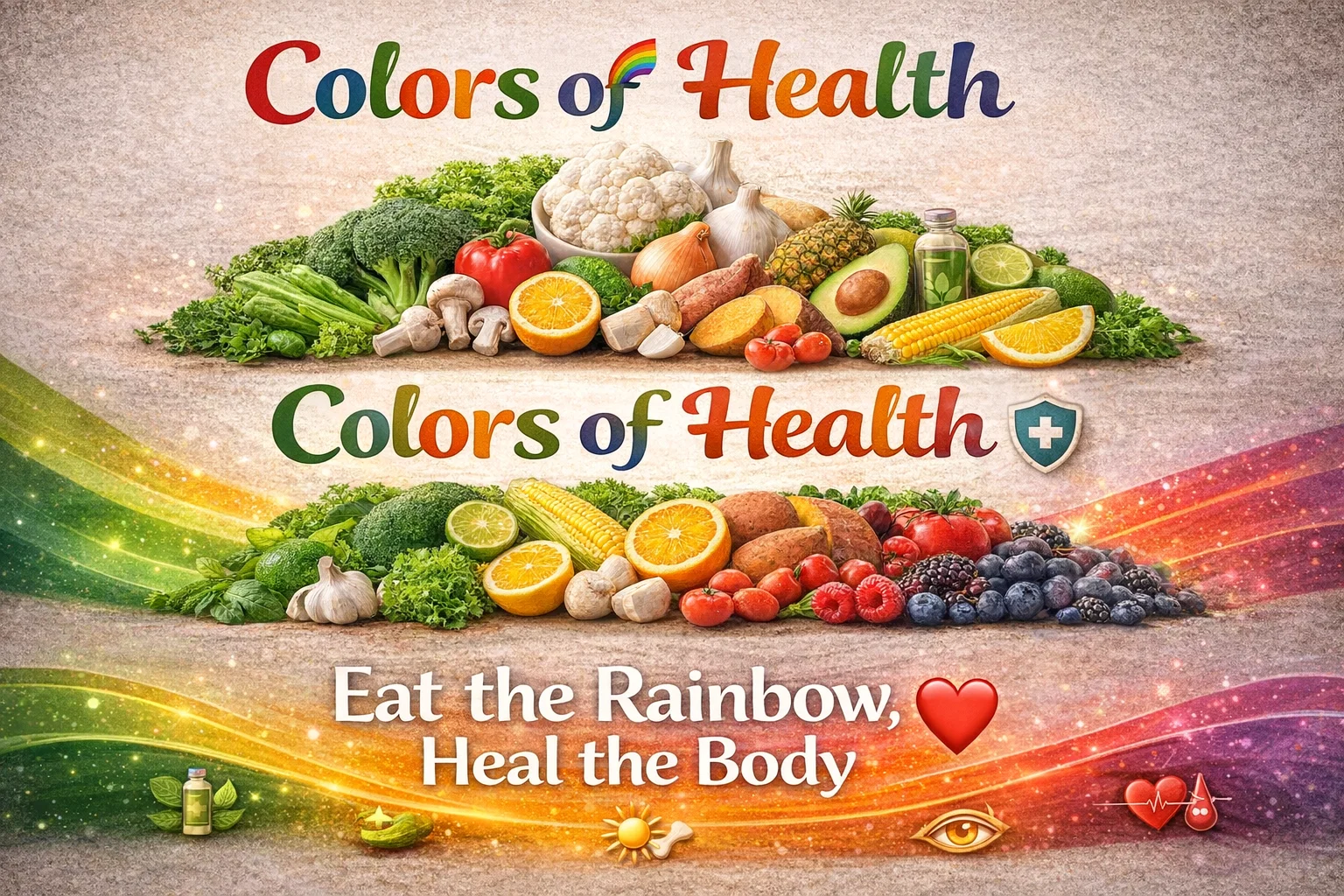
Embracing a vibrant, multicolored diet is one of the most effective ways to transform your physical well-being. The concept of eating the rainbow is far more than just a catchy phrase for social media. It is a fundamental principle of nutritional science that links the natural pigments in our food to specific health benefits. When we look at a plate filled with deep purples, bright oranges, and lush greens, we are looking at a complex map of phytonutrients, antioxidants, and essential vitamins that work in synergy to protect our cells and boost our longevity. This guide explores the deep connections between food color and body function, helping you understand how to fuel every system in your body through nature’s brilliant palette.
The Science of Phytonutrients and Food Color
To understand why color matters, we have to look at phytonutrients. These are natural compounds produced by plants to protect themselves from environmental threats like germs, fungi, and bugs. When we consume these plants, those same protective compounds provide us with a wide array of health benefits. Each color represents a different class of phytonutrients. For instance, the red in tomatoes comes from lycopene, while the orange in carrots comes from beta-carotene. By diversifying the colors on your plate, you are essentially ensuring that your body receives a diverse spectrum of chemical tools to repair DNA, fight inflammation, and regulate hormones.
Many people fall into the trap of eating a beige diet consisting mostly of processed grains and proteins. While these foods provide calories, they often lack the micronutrients necessary for optimal health. Shifting your focus toward a plant-based, colorful approach allows you to crowd out less nutritious options with high-fiber, nutrient-dense alternatives that keep you feeling full and energized throughout the day.
White Foods for Powerful Immune Support
While we often focus on the brightest colors, the white category of fruits and vegetables is a nutritional powerhouse that should never be overlooked. White foods like garlic, onions, cauliflower, and mushrooms are rich in anthoxanthins and allicin. These compounds are famous for their antiviral and antibacterial properties. In many traditional wellness practices, these ingredients have been used for centuries to stave off seasonal illnesses and support the respiratory system.
Maximizing the Benefits of Garlic and Onions
Garlic and onions contain organosulfur compounds that are most potent when the vegetable is crushed or chopped. To get the most immune support, it is helpful to let your chopped garlic sit for a few minutes before adding it to heat. This allows the allicin to develop fully. Incorporating white vegetables into your daily routine provides a foundational layer of protection for your immune system, making it easier for your body to defend itself against pathogens.
The Role of Green Vegetables in Detoxification
Green is perhaps the most iconic color of health. From leafy kale to crunchy broccoli and creamy avocado, green vegetables are packed with chlorophyll, fiber, and isothiocyanates. These nutrients are essential for supporting the liver, which is the body’s primary detoxification organ. The liver works tirelessly to filter out toxins from our environment and the food we eat, and green vegetables provide the fuel it needs to perform these functions efficiently.
The Power of Cruciferous Greens
Cruciferous vegetables like Brussels sprouts and broccoli contain a compound called sulforaphane. Research suggests that sulforaphane helps stimulate the production of enzymes in the liver that neutralize harmful substances. Additionally, the high fiber content in greens helps maintain a healthy digestive tract, ensuring that waste products are moved out of the system regularly. Adding a large handful of spinach to a morning smoothie or enjoying a side of roasted broccoli at dinner is a simple way to give your body a daily detox boost.
Yellow Foods for Healthy Skin and Bones
Yellow fruits and vegetables like lemons, pineapples, corn, and yellow peppers are often associated with sunshine, and their benefits for the body are just as bright. These foods are typically high in Vitamin C and bioflavonoids, which play a critical role in collagen production. Collagen is the primary structural protein in our skin and connective tissues, keeping our complexion clear and our joints flexible as we age.
Beyond skin health, many yellow foods are surprisingly beneficial for bone density. Manganese and other trace minerals found in pineapple and corn support bone mineral balance. Furthermore, the antioxidants in yellow produce help reduce oxidative stress, which can lead to inflammation in the joints. Keeping yellow items in your kitchen rotation ensures you are supporting your body’s structural integrity from the inside out.
Orange Produce for Vision and Cellular Health
The vibrant orange of carrots, sweet potatoes, and oranges is a clear signal of high carotenoid content. Beta-carotene is the most well-known of these, which the body converts into Vitamin A. This vitamin is essential for maintaining healthy vision, particularly in low-light conditions. It also supports the health of the mucous membranes, which act as a barrier to infection in the eyes, nose, and mouth.
Antioxidants and Long-Term Prevention
Orange foods are also famous for their role in promoting overall cellular health. The antioxidants found in cantaloupe and apricots help protect cells from free radical damage, which is a key factor in the development of chronic diseases. By consuming a steady supply of orange produce, you are providing your body with a shield that supports healthy cell replication and reduces the risk of long-term health complications.
Red Foods for Heart Health and Blood Vitality
Red fruits and vegetables like strawberries, tomatoes, raspberries, and pomegranates are deeply connected to the health of the cardiovascular system. These foods are rich in lycopene and anthocyanins, which have been shown to help lower blood pressure and reduce cholesterol levels. A healthy heart requires a diet that supports clear arteries and efficient blood flow, and red produce is perfectly suited for this task.
Pomegranates, in particular, are often referred to as a heart-healthy superfood due to their high concentration of punicalagins. These potent antioxidants help protect the lining of the blood vessels and improve circulation. Whether you are snacking on a bowl of fresh raspberries or adding sliced tomatoes to a salad, you are making a direct investment in your heart’s longevity.
Purple and Blue Varieties for Longevity and Brain Function
Purple and deep blue foods like blueberries, blackberries, purple cabbage, and eggplant are some of the most antioxidant-dense foods on the planet. The pigment responsible for these rich hues is called anthocyanin. These compounds are unique because they can cross the blood-brain barrier, providing direct protection to the brain cells and potentially improving cognitive function and memory.
Increasing Your Lifespan with Deep Pigments
Studies have often linked the consumption of purple foods with increased longevity. This is likely due to their ability to fight systemic inflammation and protect against the neurodegenerative changes that occur with aging. Including a variety of berries or purple grapes in your diet provides a concentrated dose of age-defying nutrients that help keep your mind sharp and your body resilient. These foods are the ultimate brain fuel, offering protection that lasts a lifetime.
Practical Tips for Eating More Color Every Day
Transitioning to a more colorful diet doesn’t have to be overwhelming. The goal is to make small, sustainable changes that add up over time. You don’t need to eat every color at every single meal, but aiming for three or four colors per plate is a great starting point. Here are some simple ways to brighten up your menu:
- Mix Your Salads: Instead of just using green lettuce, add shredded purple cabbage, grated carrots, and sliced red peppers.
- Upgrade Your Smoothies: Toss in a handful of frozen blueberries (purple) and a scoop of hemp seeds or cauliflower (white) for extra creaminess and nutrition.
- Roast a Medley: When roasting vegetables, combine sweet potatoes (orange), red onions (purple), and zucchini (green) on the same tray.
- Snack Smarter: Keep a bowl of citrus fruits (yellow and orange) or a container of berries (red and purple) on the counter for easy access.
The Connection Between Color and Mindful Living
Focusing on the colors of your food also encourages a more mindful approach to eating. When we appreciate the visual beauty of our meals, we tend to eat more slowly and enjoy the flavors more deeply. This connection to the Earth’s natural bounty aligns perfectly with a lifestyle focused on wellness and sustainability. Growing your own colorful vegetables in a garden or supporting local farmers’ markets further strengthens this bond, providing you with the freshest, most nutrient-dense produce possible.
Choosing whole, colorful foods is an act of self-care. It is a way to tell your body that you value its health and vitality. When we move away from processed, monochromatic foods and embrace the vivid spectrum of nature, we unlock a level of energy and clarity that is hard to find anywhere else. It is a simple, beautiful way to nourish both the body and the spirit.
Conclusion: Your Path to a Vibrant Life
The journey toward better health is painted in every shade of the rainbow. By understanding the specific benefits associated with each color, you can tailor your diet to meet your body’s unique needs. Whether you are looking to boost your immune system with white vegetables, protect your heart with red fruits, or enhance your brain power with purple berries, the answers are waiting for you in the produce aisle. Start today by adding just one new color to your next meal and feel the difference that nature’s pharmacy can make. Your body will thank you for the vibrant, nutrient-dense fuel, and you will enjoy the rewards of a longer, healthier, and more colorful life.