Healthy Habits for Mental Health Sunlight for Sadness and Running for Stress Relief
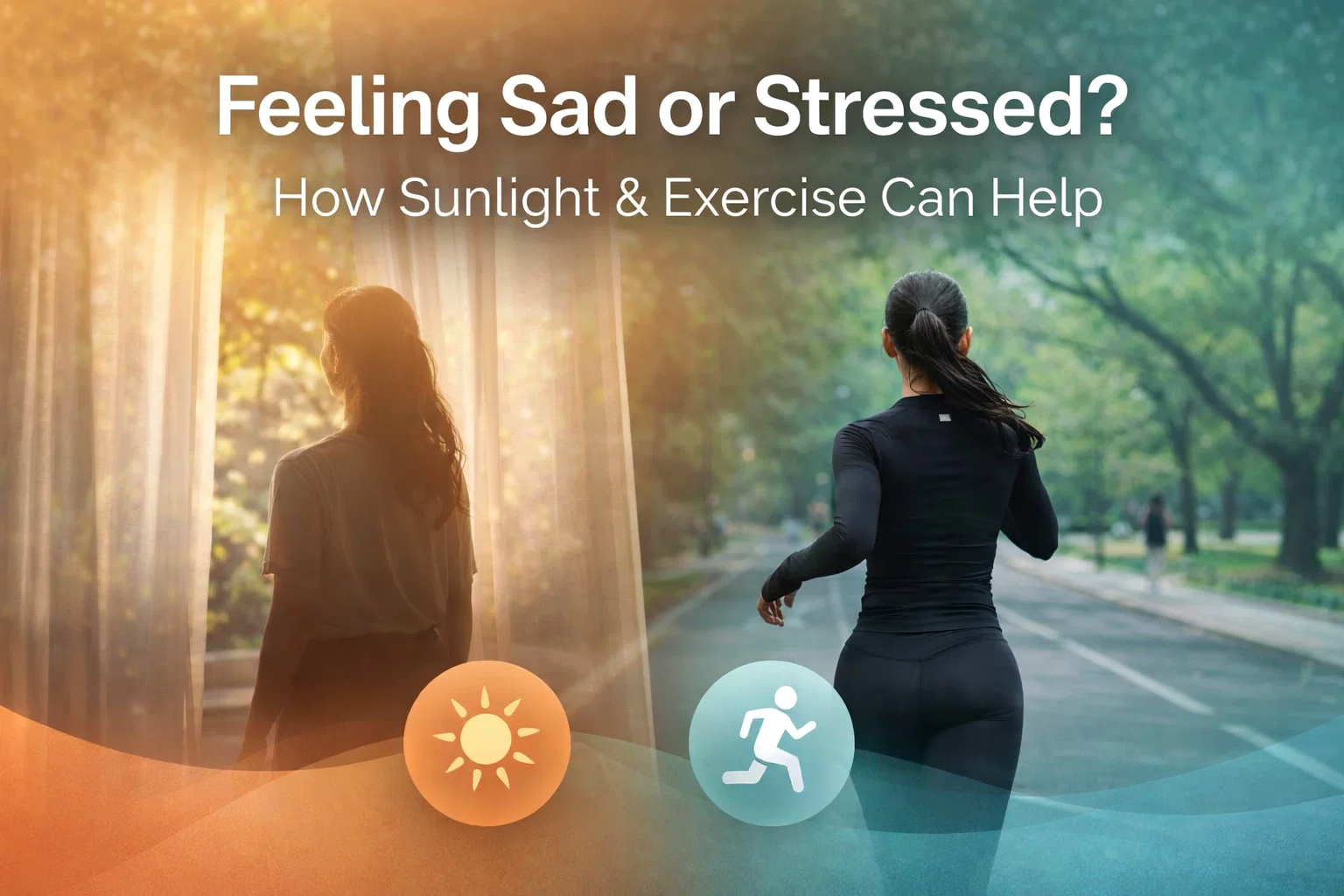
In our fast paced modern world, it is incredibly easy to feel like you are constantly running on a treadmill that never stops. We are bombarded with notifications, deadlines, and the weight of expectations, which can often lead to a heavy sense of burnout or persistent low moods. The image of sunlight filtering through soft curtains and a runner hitting the open pavement in a lush park captures a powerful truth about our well-being. It reminds us that the most effective remedies for our mental health are often the simplest ones provided by nature and our own physical movement. This guide explores how embracing sunlight and the rhythm of running can transform your mental landscape, offering a roadmap to a more balanced and joyful life.
The Science of Sunlight: How Vitamin D and Light Exposure Cure the Blues
When we talk about feeling sad or lethargic, we often overlook the biological impact of our environment. The first half of our visual inspiration highlights sunlight as a remedy for sadness. This is not just poetic imagery; it is rooted in deep physiological needs. Our bodies are designed to sync with the natural cycles of the sun, and when we deprive ourselves of that golden glow, our internal chemistry can shift in ways that make happiness feel out of reach.
Boosting Serotonin Levels Naturally
Serotonin is often referred to as the feel good hormone. It is a neurotransmitter that plays a vital role in regulating mood, sleep, and appetite. Research has shown that exposure to bright light, particularly morning sunlight, triggers the brain to release serotonin. This is why many people experience Seasonal Affective Disorder during the dark winter months. By simply opening your curtains or stepping outside for twenty minutes, you are giving your brain the chemical signal it needs to lift your spirits and clear the mental fog.
Regulating the Circadian Rhythm
A lack of sunlight does more than just lower your mood; it disrupts your internal clock. Your circadian rhythm relies on light cues to tell your body when to be awake and when to prepare for rest. If you spend your entire day in a dimly lit office or a room with heavy drapes, your body may struggle to produce melatonin at night. This leads to poor sleep quality, which is a leading contributor to irritability and sadness. Prioritizing that morning glow helps anchor your day and ensures your body knows exactly how to function.
Running Away from Stress: The Psychological Power of Movement
The second part of the image shows a runner moving forward on a wide path surrounded by greenery. This represents one of the most accessible and effective tools for stress management. When you feel stressed, your body is often stuck in a fight or flight response, flooded with cortisol and adrenaline. Running provides a physical outlet for that pent up energy, allowing your body to complete the stress cycle and return to a state of calm.
The Famous Runners High
Most people have heard of the runner’s high, but few realize how transformative it actually is. During vigorous aerobic exercise like running, the body releases endorphins and endocannabinoids. These chemicals act as natural painkillers and mood elevators. They create a sense of euphoria that can wash away the frustrations of a long workday. Unlike the temporary relief found in scrolling through social media or eating comfort food, the clarity gained from a run is lasting and restorative.
Meditation in Motion
Running is often described as a form of moving meditation. When you are on the path, your focus shifts to the rhythm of your breath and the strike of your feet on the ground. This repetitive motion helps quiet the chatter of a stressed mind. Instead of worrying about future tasks or past mistakes, you are forced into the present moment. This mindfulness practice reduces the activity in the amygdala, the part of the brain responsible for processing fear and stress, leading to a more resilient psyche.
Creating a Holistic Wellness Routine
Integrating these two elements into your daily life does not require a complete lifestyle overhaul. It is about making intentional choices that prioritize your mental health over the convenience of staying indoors or remaining sedentary. When you combine the biological benefits of sunlight with the psychological benefits of running, you create a powerful synergy that supports your overall well-being.
Morning Rituals for Success
The best way to ensure you get your daily dose of light and movement is to habit stack them in the morning. Try these simple steps to start your day on a high note:
- Open the Blinds Immediately: As soon as you wake up, let the light in. This signals your brain to stop producing melatonin and start producing serotonin.
- Take a Five Minute Sun Break: Step onto your porch or balcony with your morning coffee. Feeling the sun on your skin for just a few minutes can significantly impact your morning mood.
- Plan Your Run: Whether it is a quick mile around the block or a longer trail run, scheduling it early ensures it gets done before the day’s stressors pile up.
Overcoming the Barriers to Entry
It is common to feel like you do not have enough time or energy to dedicate to these habits. However, it is important to remember that these activities actually generate energy. If you feel too tired to run, it might be because your body is stagnant. If you feel too busy to step outside, it is likely because your stress levels are making you inefficient. Starting small is the key. You do not need to run a marathon; a ten minute jog in the sun is infinitely better than nothing at all.
The Long Term Benefits of Nature and Exercise
While the immediate relief of a single run or a sunny afternoon is great, the real magic happens over time. Consistently showing up for yourself builds a sense of self efficacy. You begin to trust that you have the tools to manage your own emotions. This resilience is the ultimate goal of any mental health journey.
Building Mental Resilience
Physical challenges like running teach you how to handle discomfort. When you push through that last half mile, you are training your brain to stay calm under pressure. This translates directly to your professional and personal life. When a stressful situation arises at work, your brain remembers the discipline and breath control you practiced on the path. You become less reactive and more proactive.
Strengthening the Mind Body Connection
We often treat the mind and body as separate entities, but they are deeply intertwined. Physical health impacts mental clarity, and mental health impacts physical endurance. By nourishing your body with sunlight and movement, you are fueling the very engine that allows you to think, create, and love. This holistic approach ensures that you are not just surviving your life, but actively thriving in it.
Finding Your Own Path to Peace
Everyone’s journey with mental health looks different. For some, a quiet walk in a sun drenched park is enough to reset. For others, a high intensity sprint is necessary to burn off the day’s anxiety. The important thing is to listen to what your body is telling you. If you feel heavy and sad, look for the light. If you feel tight and stressed, look for the path.
Community and Connection
Running also offers a unique opportunity for social connection, which is another pillar of mental health. Joining a local running club or simply nodding to fellow joggers in the park creates a sense of belonging. Knowing that others are out there pursuing their own health goals can be incredibly motivating and can help alleviate the isolation that often accompanies sadness and stress.
Designing Your Environment
If you live in an area where sunlight is scarce, you can still optimize your environment. Use light therapy lamps that mimic natural sunlight to help maintain your serotonin levels. Keep your running gear in a visible place as a visual cue to get moving. Small environmental changes can lower the friction between you and your healthy habits.
Conclusion: The Power of Simple Shifts
The image we analyzed today serves as a beautiful reminder that we have more control over our mental state than we often realize. Sadness and stress are natural parts of the human experience, but they do not have to define our daily lives. By stepping into the sunlight and finding our stride on the running path, we reclaim our energy and our joy. These habits are not just about physical fitness or aesthetic curtains; they are about the fundamental right to feel good in our own skin. Start today by opening a window or lacing up your shoes. Your mind will thank you for the effort, and the world will look just a little bit brighter with every step you take. Remember that your well-being is a journey, not a destination, and every small choice in favor of your health is a victory worth celebrating.