Expert Sewing Tips How to Use a Presser Foot for Perfect Seams DIY Sewing Tutorials
Stepping into the world of sewing can feel like entering a vibrant, tactile universe where the only limit is your imagination. When you look at the steady glide of a needle through a piece of rich, textured fabric, you are witnessing more than just a mechanical process. You are seeing the birth of something unique. Whether you are aiming to create your own sustainable wardrobe, craft personalized home decor, or simply find a meditative hobby that pulls you away from digital screens, the sewing machine is your greatest ally. Mastering this tool is a journey of patience, precision, and immense creative satisfaction.
Understanding the Heart of Your Sewing Machine
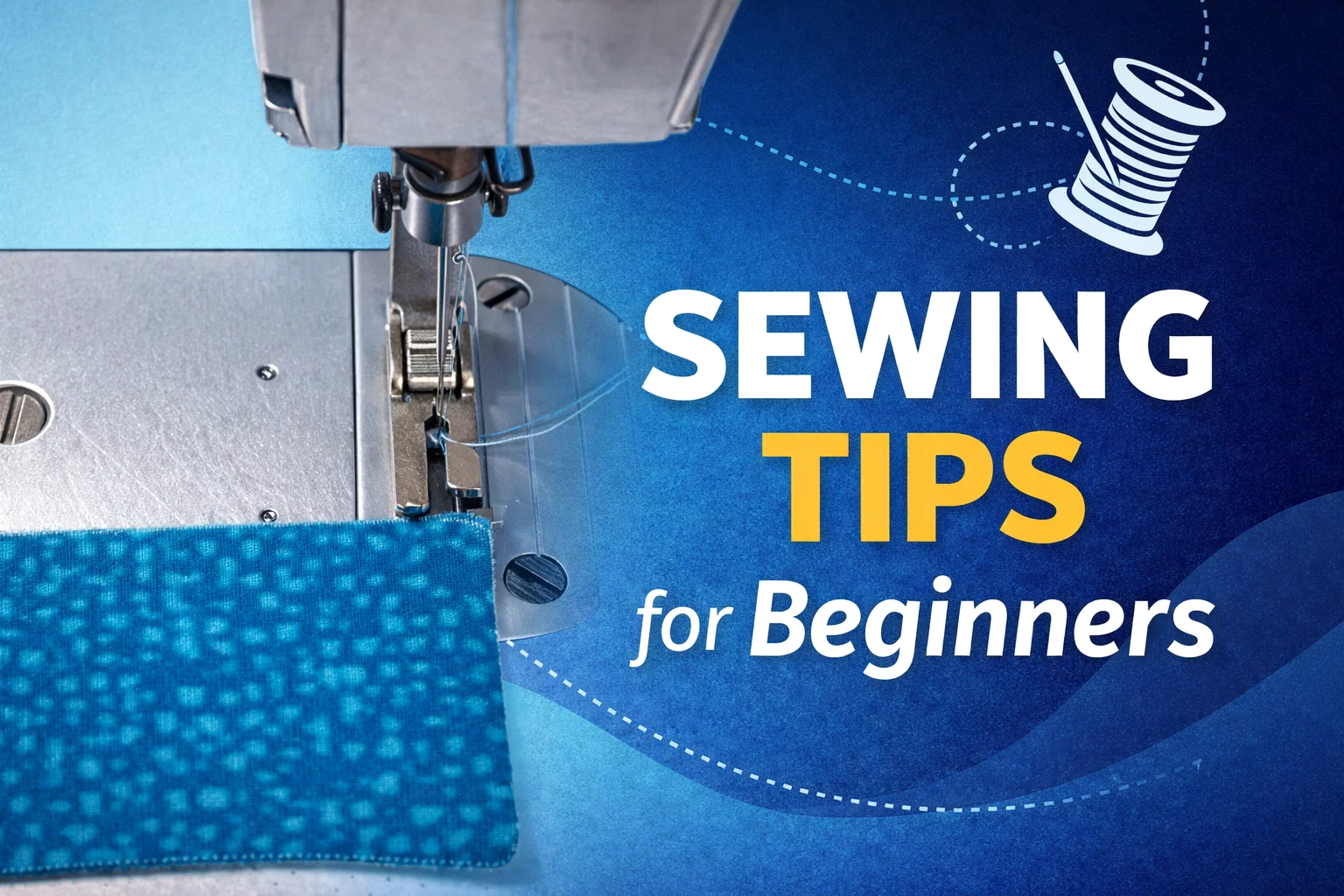
To the untrained eye, a sewing machine might look like a complex labyrinth of metal and plastic. However, once you break down its core components, it becomes a remarkably intuitive partner. The throat plate, the presser foot, and the feed dogs work in a perfect mechanical ballet to ensure your stitches are uniform and secure. In the image provided, we see a close up of the presser foot held against a beautiful teal textured fabric. This specific part is crucial because it holds the fabric flat against the feed dogs, which are the metal teeth underneath that move the material forward as you sew.
The Vital Role of the Presser Foot
Many beginners overlook the importance of the presser foot, but it is actually one of the most versatile parts of your machine. There is not just one type of foot. Depending on your project, you might switch to a zipper foot, a buttonhole foot, or even a walking foot for thicker layers like quilts. The standard zigzag foot, often seen in high quality setups, provides a wide enough opening for the needle to move side to side without hitting metal. Learning when to swap these out can be the difference between a frustrating afternoon and a professional looking finish.
Preparation: The Secret to Flawless Seams
Before the needle ever touches the fabric, the work begins. Professional sewists will tell you that 70 percent of sewing is actually preparation. This includes washing your fabric to prevent future shrinkage, pressing it with a hot iron to remove every wrinkle, and choosing the right thread. Using a high quality polyester or cotton thread is essential. Poor quality thread can leave lint inside your machine or, worse, snap mid stitch, leading to uneven seams and potential damage to your tension discs.
Choosing the Right Needle for Your Fabric
Not all needles are created equal. If you are working with a delicate silk, you need a very fine needle to avoid leaving visible holes. Conversely, if you are working with denim or the thick, textured material shown in our visual, you need a heavy duty needle that can pierce through multiple layers without bending. A universal needle works for many woven fabrics, but specialized needles like ballpoint for knits or sharp needles for microfibers can significantly improve your stitch quality.
The Mechanics of a Perfect Stitch
Once you are ready to sew, the focus shifts to technique. One of the most common mistakes beginners make is trying to pull or push the fabric through the machine. You should let the feed dogs do the heavy lifting. Your job is simply to guide the fabric gently with your hands, ensuring it stays aligned with the seam allowance markings on the throat plate. These etched lines are your roadmap to straight, professional edges.
Mastering Tension and Speed
Tension is the balance between the top thread and the bobbin thread. If the top thread is too tight, your fabric will pucker. If it is too loose, you will see loops on the underside of your work. It is always a good idea to sew a few inches on a scrap piece of your project fabric first to check the tension. Additionally, control your speed. While it is tempting to floor the foot pedal, slow and steady wins the race when you are navigating curves or intricate details. Consistency is more important than speed.
Diving into DIY: Why Customization Matters
The rise of fast fashion has made clothing feel disposable, but DIY sewing brings back the value of craftsmanship. When you sew your own items, you choose the quality of the materials and the ethics behind the production. You can customize the fit to your exact body measurements, which is something a store bought garment rarely offers. This empowerment is why so many people are returning to the sewing machine as a form of self expression.
Creative Projects for Beginners
- Simple Tote Bags: A perfect way to practice straight seams and learn how to attach handles.
- Envelope Pillow Covers: These require no zippers or buttons, making them an ideal first home decor project.
- Reusable Snack Bags: A great way to use up small fabric scraps while helping the environment.
- Gathered Skirts: Learn the basics of gathering fabric and installing an elastic waistband.
Maintenance: Keeping Your Machine in Top Shape
A sewing machine is a precision instrument that requires regular care. Over time, tiny bits of lint from fabric and thread accumulate around the bobbin case and under the throat plate. If left unchecked, this lint can mix with machine oil and create a sludge that slows down your machine or causes skipped stitches. Every few projects, you should use a small brush to clear out the dust and apply a single drop of sewing machine oil to the moving parts as specified in your manual.
Troubleshooting Common Issues
If your machine starts making a clunking sound or the thread bunches up into a bird’s nest under the fabric, do not panic. Usually, the solution is simple. Unthread the machine completely, take out the bobbin, and rethread everything from scratch. Make sure the presser foot is up while you are threading the top part of the machine, as this ensures the thread seats properly in the tension discs. Nine times out of ten, a fresh rethreading and a new needle will solve the problem.
Exploring Fabric Textures and Colors
The fabric choice is where your personality truly shines. In the image, the teal fabric has a unique, almost pebbled texture that catches the light beautifully. This kind of material adds depth to a project. When selecting fabrics, consider the drape. A stiff canvas is great for bags but terrible for a flowy dress. A soft jersey knit is comfortable for shirts but requires different sewing techniques than a stable woven cotton. Learning the language of textiles is one of the most rewarding aspects of the craft.
The Psychology of Crafting
Beyond the physical product, sewing offers significant mental health benefits. The focus required to follow a seam or cut out a pattern creates a state of flow, similar to meditation. It allows you to disconnect from the stresses of daily life and focus on a tangible, tactile task. Completing a project provides a sense of accomplishment that boosts confidence and encourages further learning. It is a hobby that nurtures both the mind and the soul.
Advanced Techniques to Elevate Your Work
As you become more comfortable with the basics, you can start experimenting with decorative elements. Topstitching, for example, is a row of stitches on the outside of the garment that is both functional and decorative. Using a contrasting thread color can make a simple design look like high end designer wear. You might also explore embroidery, applique, or quilting to add even more layers of detail to your creations.
The Importance of Pressing as You Go
If there is one golden rule in sewing, it is to press every seam after you sew it. An iron is just as important as the sewing machine itself. Pressing sets the stitches into the fabric and flattens the seam allowances, which prevents the bulky look that often plagues homemade items. A well pressed garment looks professional and crisp, while an unpressed one looks like a school project. Invest in a good steam iron and a tailor’s ham for pressing curved seams.
Building a Sustainable Sewing Practice
In today’s world, being a conscious consumer is vital. Sewing allows you to participate in the slow fashion movement. You can repair old clothes rather than throwing them away, or upcycle thrifted linens into brand new outfits. By choosing organic fabrics or deadstock textiles, you reduce your environmental footprint while creating something beautiful. It is a way to reclaim your relationship with the objects you own and the clothes you wear every day.
Conclusion: Your Creative Journey Starts Here
Whether you are staring at a brand new machine in a box or dusting off an heirloom from the attic, the path forward is the same: just start. Every expert was once a beginner who struggled to thread a needle or accidentally sewed two pieces of fabric the wrong way together. Those mistakes are not failures. They are the building blocks of your skill. As you watch the needle move rhythmically over the fabric, remember that you are part of a long tradition of makers and creators. With each stitch, you are not just making something new, you are discovering a new version of yourself. So, grab your favorite fabric, sit down at your machine, and let your creativity run wild. The world of sewing is waiting for you.
Would you like me to generate a meta description or suggest some internal linking strategies for this post?