Roby Chart Postcards Set of 10 – Chakra Healing Mind-Body Anatomy Reference Guide
Have you ever wondered why your shoulders feel heavy when you are stressed, or why a sudden bout of anxiety manifests as a fluttering sensation in your stomach? For centuries, healers and spiritual practitioners have suggested that our physical bodies are much more than just biological machines. They are intricate maps of our internal landscapes, reflecting our beliefs, traumas, and joys. The Roby Chart offers a profound visual guide to this concept, illustrating exactly where our thoughts and emotions intersect with our anatomy. By understanding this connection, we can begin to unlock a deeper level of self awareness and holistic healing that goes beyond traditional medicine.
Understanding the Mind Body Connection
The core philosophy behind the Roby Chart is the idea that the mind and body are not separate entities but are part of a continuous feedback loop. This concept is often referred to as somatic awareness. When we hold onto certain beliefs or suppress specific emotions, the energy of those thoughts has to go somewhere. Often, it settles into our physical tissues, organs, or skeletal structure. This is not just a spiritual theory; modern science is increasingly recognizing how chronic stress and emotional patterns can impact our immune system and physical health.
The chart specifically draws from the work of renowned wellness pioneers like Louise Hay and Caroline Myss. These authors popularized the idea that physical ailments often have underlying metaphysical causes. For instance, if you are struggling with a sense of being unsupported in life, you might experience issues in your lower back or legs, which represent your foundation. By looking at the body through this lens, we can use physical symptoms as clues to discover what needs emotional healing.
The Anatomy of Belief: Masculine and Feminine Sides
One of the most striking features of the Roby Chart is the division of the body into the right and left sides, representing masculine and feminine energies respectively. This does not refer to gender in a biological sense, but rather to different modes of being and interacting with the world. Understanding which side of your body is experiencing discomfort can provide immediate insight into the nature of the emotional block.
The Right Side: Action and Doing
The right side of the body is associated with masculine energy. This is the side of giving, doing, and interacting with the external world. It relates to our career, our social standing, and our ability to assert ourselves. If you find yourself having issues on the right side of your body, it may indicate a struggle with your sense of authority, fears regarding your professional life, or a feeling of being overworked. It is the side of the will and how we project ourselves into the environment.
The Left Side: Receiving and Trusting
Conversely, the left side of the body represents feminine energy. This side is all about receptivity, intuition, and internal reflection. It relates to our ability to receive love, our connection to our nurturing side, and how we handle our private, inner world. Issues on the left side often point toward a lack of trust in the universe, difficulty in receiving help from others, or suppressed creative energy. It is the side of being and how we feel about ourselves internally.
A Journey Through the Chakras
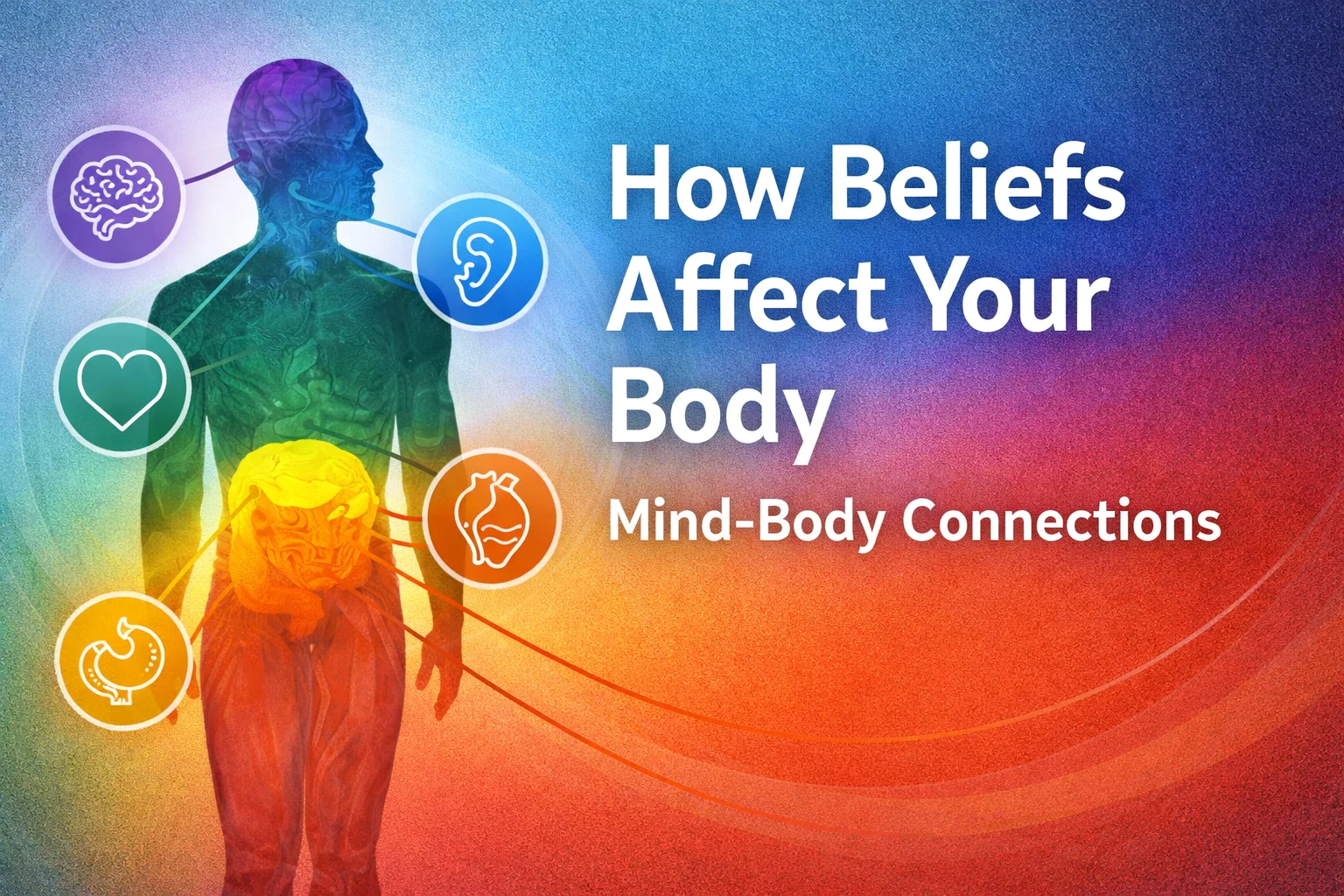
The Roby Chart is color coded according to the seven primary chakras, or energy centers, that run along the spine. Each chakra governs specific physical organs and emotional themes. When we align these colors with the anatomy, the map of our health becomes even clearer.
The First Chakra: Foundation and Survival
Represented by the color red, the First Chakra (Root Chakra) is located at the base of the spine. This center deals with our most basic needs: safety, security, and tribal belonging. On a physical level, it governs the legs, feet, and the skeletal system. When this area is out of balance, we might feel a lack of “grounding” or suffer from chronic fear. The chart notes that the feet represent our understanding of self and others, while the knees relate to pride and ego. If you find it hard to move forward in life, your legs and feet might be reflecting that hesitation.
The Second Chakra: Creativity and Relationships
The orange section of the chart highlights the Second Chakra (Sacral Chakra). This area encompasses the reproductive organs, bladder, and hips. It is the seat of our creativity, sexuality, and how we relate to others. Emotional themes here include the fear of letting go or a struggle with one’s own sense of worth. For example, the hips are often associated with the fear of moving forward into the unknown. When we feel stuck in a relationship or a creative project, the tension often accumulates in the pelvic region.
The Third Chakra: Personal Power and Trust
Moving up to the yellow section, we find the Third Chakra (Solar Plexus). This is the powerhouse of the body, governing the stomach, liver, gallbladder, and pancreas. It is where we process our sense of self worth and personal power. The Roby Chart suggests that issues with the liver can be tied to feelings of victimization or powerlessness, while the gallbladder is often a reservoir for repressed rage. When we digest ideas and assimilate new experiences, our stomach is the physical processor of that energetic intake.
The Heart and Throat: Love and Expression
As we move into the upper torso, the focus shifts from survival and power to connection and communication. This transition is vital for moving from a self centered perspective to a more collective, harmonious way of living.
The Fourth Chakra: The Power of Love
The green section represents the Fourth Chakra (Heart Chakra). This area includes the heart, lungs, and breasts. Naturally, this center is all about love, intimacy, and the ability to self nourish. The lungs represent our ability to take in life, and breathing issues can sometimes be linked to a feeling that we are not allowed to take up space or “breathe in” the goodness of the world. A heavy heart is not just a metaphor; it can manifest as physical tightness when we are grieving or feeling disconnected from those we love.
The Fifth Chakra: Communication and Will
The light blue section indicates the Fifth Chakra (Throat Chakra). This governs the throat, mouth, and thyroid. This is the center of our truth. The chart points out that throat issues are often the result of repressed words or opinions. If you feel like you cannot speak your truth or that your voice does not matter, you may experience frequent sore throats or thyroid imbalances. It is also the area where we take in new ideas, symbolized by the mouth.
The Higher Realms: Vision and Connection
The final two sections of the chart deal with our spiritual connection and our mental clarity. These are the darker blue and violet areas at the top of the body.
The Sixth Chakra: Intuition and Truth
The Sixth Chakra (Third Eye) is represented by indigo and is located in the center of the forehead. It governs the pituitary gland, the eyes, and the nose. This is our center of intuition and “seeing clearly.” If we are refusing to see the truth about a situation in our lives, our physical vision might suffer. The chart links the nose to self recognition, suggesting that how we “smell” out situations relates to our sense of self worth.
The Seventh Chakra: Spiritual Connection
The violet section at the crown of the head represents the Seventh Chakra. This is our point of connection to the divine or the collective consciousness. It involves the brain and the pineal gland. Overthinking and stubbornness are listed as emotional blocks here. When we are too stuck in our heads, we lose that sense of oneness and spiritual flow. The crown is about surrender and trusting that there is a larger plan at work.
Practical Applications for the Roby Chart
Knowing this information is only the first step. The real magic happens when you apply it to your daily life. Here are a few ways you can use the Roby Chart as a tool for personal growth:
- Somatic Journaling: Next time you feel a physical ache, look it up on the chart. Write down what emotions or beliefs might be tied to that area. Are you feeling unsupported? Is there something you aren’t saying?
- Mindful Meditation: During your meditation practice, visualize the color associated with the area of your body that feels tense. Imagine the energy softening and the emotional block dissolving.
- Affirmations: Use the chart to create targeted affirmations. If your throat feels tight, you might say, “I speak my truth with ease and confidence.”
- Wellness Professional Tools: If you are a massage therapist, yoga instructor, or counselor, these charts serve as excellent postcards or reference guides to help your clients understand their own healing journey.
The Power of Awareness
The beauty of the Roby Chart lies in its ability to give a voice to the body. So often, we treat physical symptoms as inconveniences to be suppressed with medication. While medical intervention is often necessary, adding an emotional layer to our healing process allows us to address the root cause rather than just the symptom. When we listen to what our liver, our knees, or our heart is trying to tell us, we open the door to a more integrated and vibrant life.
Healing is rarely a straight line. It is a spiral of uncovering deeper layers of ourselves. By using tools like this chart, we become detectives of our own souls. We begin to see that our bodies are not failing us; they are communicating with us in the only language they know. Every ache is an invitation to look closer, to love more deeply, and to release what no longer serves us.
Closing Thoughts on Holistic Health
In a world that often prioritizes the external, taking the time to map out your internal world is a radical act of self care. The Roby Chart reminds us that we are whole beings, where every thought has a physical home. By bridging the gap between our beliefs and our anatomy, we empower ourselves to live with more intention and grace. Whether you keep a copy of this chart in your journal or share it with friends, let it be a constant reminder that your body is a sacred vessel of wisdom, waiting for you to listen. Save this guide for later and start your journey of body listening today.