Daily Mindfulness Planner Mental Wellness Tracker Printable Gratitude Journal PDF
Finding a sense of peace in our fast paced world can often feel like trying to catch a breeze with a butterfly net. We are constantly bombarded by notifications, deadlines, and the endless scroll of social media, leaving our minds cluttered and our spirits frayed. However, the secret to reclaiming your mental space isn’t found in a grand life overhaul, but in the small, intentional moments we carve out for ourselves each day. Using a structured tool like a daily mindfulness planner can be the bridge between feeling overwhelmed and feeling deeply grounded.
Shutterstock
The Power of a Structured Mindfulness Practice
Mindfulness is often misunderstood as a practice that requires sitting perfectly still in a silent room for hours. In reality, mindfulness is simply the act of being present and aware of where we are and what we are doing, without becoming overly reactive or overwhelmed by what is going on around us. A dedicated planner acts as a gentle guide, prompting you to check in with your internal state at various points throughout the day.
When you put pen to paper, you are engaging in a tactile experience that slows down the racing thoughts in your brain. This physical act of writing creates a cognitive connection that typing on a screen simply cannot replicate. By following a guided layout, you remove the “decision fatigue” of wondering what you should focus on, allowing you to dive straight into reflection and healing.
Why Morning Intentions Matter
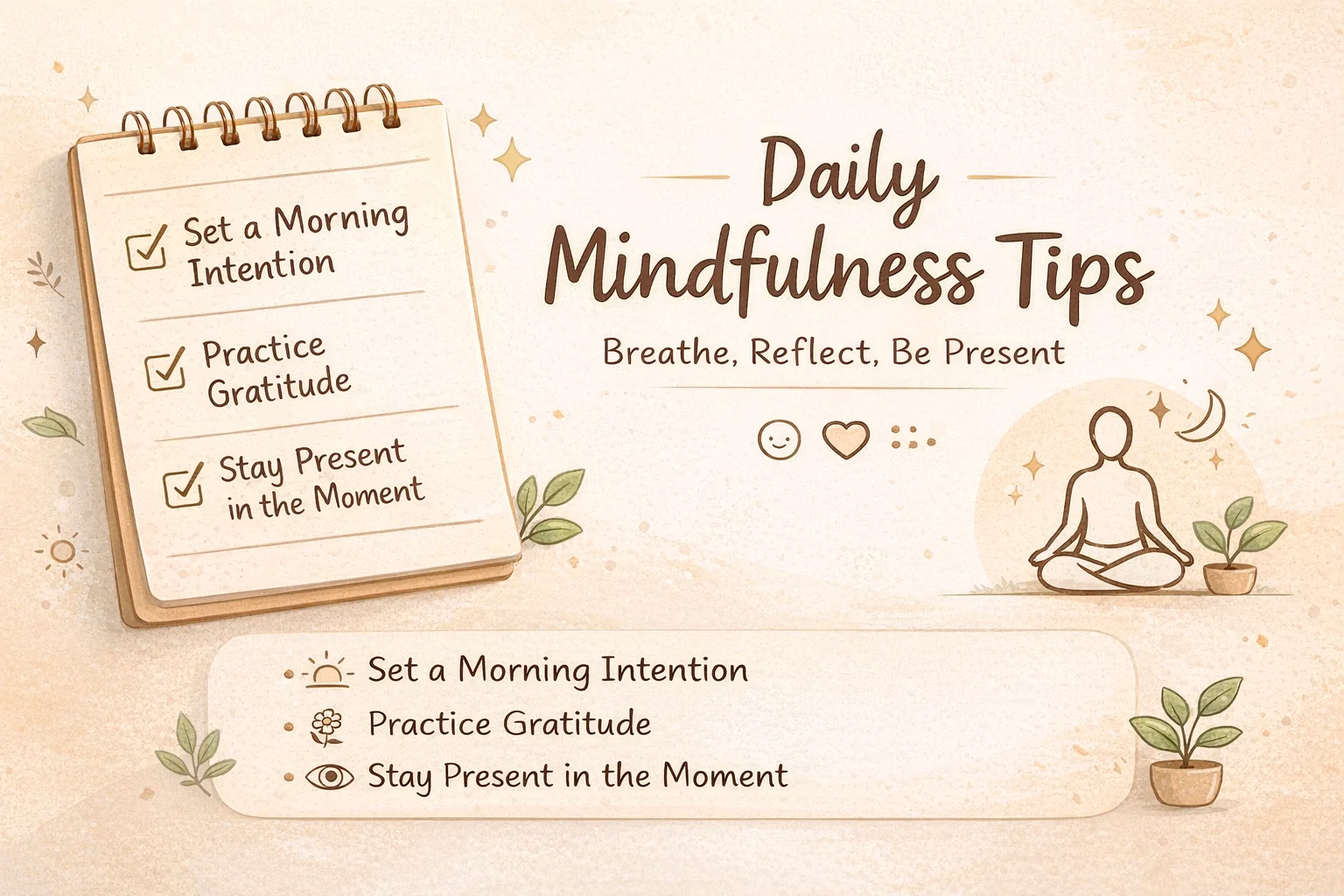
The way you start your morning sets the energetic tone for your entire day. Instead of reaching for your phone the moment you wake up, imagine reaching for a planner that asks you what you want to focus on. Setting an intention is different from writing a to-do list. While a to-do list focuses on tasks, an intention focuses on your state of being.
For example, your intention might be “patience” or “focus.” By choosing one word for the day, you create a mental anchor. When things get chaotic at work or home, you can return to that single word to recalibrate your reactions. This proactive approach shifts you from a state of constant reaction to a state of conscious action.
Cultivating a Heart of Gratitude
Gratitude is one of the most scientifically backed methods for increasing overall happiness. It is easy to be grateful for the big things like a promotion or a vacation, but true mindfulness teaches us to find joy in the mundane. A dedicated section for gratitude encourages you to look for the three small wins that happened in the last 24 hours.
Maybe it was the perfect temperature of your coffee, a kind smile from a stranger, or the way the sunlight hit your desk. When you train your brain to look for these moments, you are effectively rewiring your neural pathways to prioritize positivity over the “negativity bias” that humans naturally carry. Over time, this practice makes you more resilient in the face of challenges.
The Importance of Mindful Check-ins
We often move through our days on autopilot, barely noticing the tension in our shoulders or the shallow nature of our breath until the day is over and we are exhausted. Incorporating check-ins for the morning and afternoon ensures that you are monitoring your energy levels in real time.
- 3 Deep Breaths: This simple act triggers the parasympathetic nervous system, telling your body it is safe to relax.
- Body Scan: Checking in with your physical form helps identify where you are holding stress, such as a clenched jaw or tight neck.
- 5-Minute Meditation: A brief pause to reset the mind can provide more energy than an extra cup of caffeine.
Learning the Art of Releasing
One of the most transformative sections of a wellness planner is the space to identify what is weighing on you. We often carry emotional baggage throughout the day without even realizing it. It could be a looming deadline, a difficult conversation, or a lingering sense of self-doubt. By naming these weights, you strip them of their power.
The concept of “Releasing Today” is about acknowledging the burden and then making a conscious choice to set it down. You aren’t necessarily solving the problem in that moment, but you are deciding that it doesn’t get to consume your entire mental capacity. This mental “decluttering” is essential for preventing burnout and maintaining long term mental health.
The Practice of Being Present
Being present is a skill that requires constant practice. A mindfulness planner often asks you to record something you noticed today. This encourages you to use your senses. Did you notice the smell of rain? The sound of a bird? The texture of your sweater? These sensory details pull you out of the “future-tripping” or “past-dwelling” cycles that cause anxiety and depression, anchoring you firmly in the now.
Evening Reflections for Better Sleep
As the day winds down, our minds often start to replay everything that went wrong or everything we need to do tomorrow. An evening reflection period acts as a “brain dump” that allows you to close the chapters of the current day. Reflecting on how present you were provides a non-judgmental way to track your progress.
By using “progress dots” or a scale to rate your presence, you can see patterns over time. Perhaps you are very present on Tuesday mornings but lose it by Thursday afternoon. This data is invaluable for making lifestyle adjustments. Ending the day by deciding what to focus on tomorrow allows you to sleep with a clear mind, knowing that your future self already has a plan in place.
The Power of Kind Words
We are often our own harshest critics. The internal monologue we have is frequently filled with “shoulds” and “musts” that leave us feeling inadequate. Including a section for kind words to yourself is a radical act of self-care. Affirmations like “I am enough” serve as a necessary counter-narrative to the perfectionism that plagues our modern culture.
Self-compassion isn’t about ignoring your flaws; it is about treating yourself with the same kindness you would offer a dear friend. When you validate your own efforts, you build an internal reservoir of strength that makes you less dependent on external validation.
How to Make Your Mindfulness Practice Stick
Consistency is more important than intensity when it comes to mental wellness. You don’t need to spend an hour journaling to see results. Even five minutes spent with your planner can make a world of difference. To build a lasting habit, try “habit stacking.” Place your planner on top of your coffee maker or next to your toothbrush so that the visual cue reminds you to check in.
Remember that mindfulness is not about perfection. Some days you will be deeply connected and present, and other days you will feel distracted and frustrated. Both experiences are part of the human journey. The goal is simply to notice where you are without judgment and to keep showing up for yourself.
Integrating Printables into Your Routine
The beauty of a printable PDF planner is the flexibility it offers. You can print a fresh page every morning, or you can use it digitally on a tablet. Because it is a repeatable template, it becomes a reliable ritual. There is something incredibly satisfying about seeing a stack of completed pages at the end of a month, serving as a physical manifestation of your commitment to your own well-being.
Conclusion: A Path Toward a Calmer You
The journey toward mental wellness is a marathon, not a sprint. By utilizing a daily mindfulness planner, you are giving yourself the tools to navigate life’s ups and downs with greater ease and grace. From the initial spark of a morning intention to the quiet release of an evening reflection, every section of the planner serves a purpose in building a more intentional life.
As you move forward, be gentle with yourself. Celebrate the days you stay present and offer yourself grace on the days you don’t. Mindfulness is a practice of returning, over and over again, to the beauty of the current moment. With your planner in hand and a commitment in your heart, you are well on your way to a more balanced, grateful, and peaceful version of yourself. Start today, breathe deep, and remember that you are always enough.
Would you like me to help you create a personalized 7-day mindfulness challenge based on these principles?