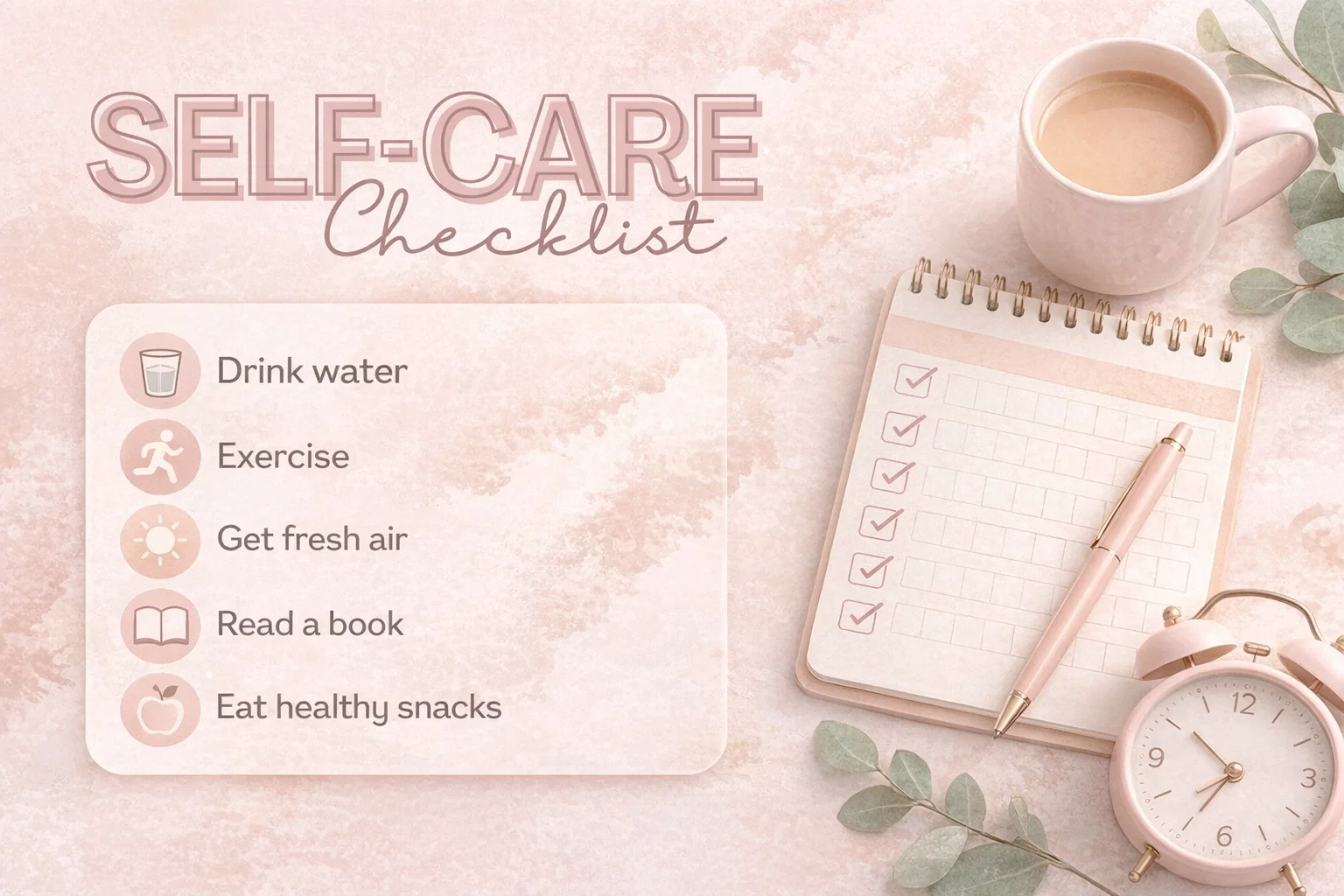
Weekly Self-Care Checklist Tracker Aesthetic Printable Mental Health Wellness Routine
We all know that feeling when the week starts to blur together. Between the endless pings of work notifications, the mounting household chores, and the general noise of a digital world, our personal well-being is usually the first thing to get pushed off the to-do list. It is easy to say you will take care of yourself tomorrow, but without a roadmap, tomorrow often looks exactly like today. That is where the power of a visual guide comes into play. A structured self-care checklist is not just a piece of paper; it is a dedicated commitment to your future self. By identifying small, manageable wins throughout the day, you can shift from a state of constant survival into a rhythm of intentional thriving.
The Psychology of the Checklist: Why Tracking Works
There is a profound psychological reason why checking a box feels so satisfying. When you physically mark a task as complete, your brain releases a small hit of dopamine, the feel-good neurotransmitter associated with reward and motivation. This creates a positive feedback loop. For many of us, the concept of self-care feels too broad or overwhelming. We think it requires a spa day or a week-long retreat. However, real, sustainable wellness is built in the tiny margins of our daily lives.
Using a weekly tracker allows you to see the patterns in your behavior. Perhaps you are great at drinking water on Mondays and Tuesdays, but your hydration levels plummet by Thursday. Or maybe you notice that on the days you get in bed before 10pm, your productivity the following morning is significantly higher. This data helps you understand your own needs better than any generic advice ever could. It turns the abstract goal of being healthy into a series of tangible, repeatable actions.
Starting Your Day with Intentional Hydration
The first item on many wellness lists is the simplest: drinking a glass of water to start the day. After six to eight hours of sleep, your body is naturally dehydrated. Rehydrating immediately upon waking kickstarts your metabolism, helps flush out toxins, and wakes up your brain. It is a low-effort, high-reward habit that sets a tone of mindfulness before you even check your email. Think of it as a gentle internal alarm clock that tells your cells it is time to get to work.
The Role of Movement and Exercise
Exercise is often framed as a chore or a punishment for what we ate, but in a true self-care context, it should be an act of celebration for what your body can do. Aiming for 45 minutes of exercise is a fantastic goal, but it does not always have to mean a high-intensity gym session. It could be a brisk walk, a dance class, or a swim. The key is consistency. Physical activity reduces cortisol levels, the hormone responsible for stress, and replaces it with endorphins. When you track this daily, you start to view movement as a non-negotiable part of your mental health toolkit.
The Importance of Fresh Air and Sunshine
In our modern, indoor-centric lives, we often underestimate the power of the elements. Getting some fresh air and enjoying some sunshine are more than just pleasant activities; they are biological necessities. Vitamin D, synthesized through skin exposure to sunlight, plays a critical role in bone health and immune function. Furthermore, being outdoors has been shown to lower heart rates and improve mood. Even ten minutes of standing on a balcony or walking to the end of the block can reset a cluttered mind. It provides a literal and figurative change of perspective.
Fueling Your Body: Breakfast and Snacks
A healthy breakfast is the foundation of your daily energy levels. Skipping it often leads to a mid-morning slump and poor decision-making when lunch rolls around. A balanced meal containing protein, healthy fats, and complex carbohydrates provides a steady release of energy. Similarly, eating a healthy snack in the afternoon prevents the “hangry” irritability that can ruin a productive afternoon. Self-care means listening to your hunger cues and providing your body with the quality fuel it deserves to function at its peak.
Mindful Morning Rituals
Enjoying a warm morning drink, whether it is herbal tea or a carefully brewed coffee, offers a moment of stillness. It is about the sensory experience—the warmth of the mug, the aroma, and the few minutes of quiet before the day accelerates. Pair this with stretching your body to release the tension accumulated during sleep. Stretching increases blood flow to your muscles and improves flexibility, helping you feel more physically “open” to whatever the day brings.
Organizing the Chaos: Planning and Breaks
Anxiety often stems from the feeling of being out of control. Planning out your day in a planner is an act of self-care because it externalizes your mental load. Once it is on paper, you no longer have to expend mental energy trying to remember it. However, a plan is only effective if it includes regular breaks. The human brain is not designed to focus for eight hours straight. Taking five to ten minutes every hour to step away from your desk prevents burnout and actually increases your overall creativity and problem-solving abilities.
The Power of Meaningful Input
What we consume mentally is just as important as what we consume physically. Reading something meaningful—whether it is a page of a philosophy book, an inspiring biography, or a professional development article—expands your horizons. Similarly, playing some invigorating music can instantly shift your vibration. Music has a direct line to our emotional centers. If you are feeling sluggish, a high-tempo playlist can provide the spark you need to finish a tough task.
Nurturing the Spirit: Bathing and Connection
Taking a hot or cold bath or shower is a classic self-care staple for a reason. Water is therapeutic. A hot bath can relax sore muscles and prepare the body for sleep, while a cold shower can invigorate the nervous system and increase mental clarity. This is your time to be away from screens and demands. It is a sensory sanctuary where you can simply exist in the present moment.
Digital Detox and Disconnecting
We are the first generation in history to be reachable 24/7. This constant connectivity comes at a price. Learning to disconnect is one of the most radical acts of self-care you can practice today. Setting boundaries with your devices allows your brain to enter a “default mode” where daydreaming and deep processing happen. Whether it is turning off notifications after 6pm or leaving your phone in another room during dinner, these small boundaries protect your peace of mind.
Preparing for Quality Rest
Wind down by avoiding bright light at night. The blue light emitted by phones and tablets interferes with the production of melatonin, the hormone that signals to your body that it is time to sleep. By dimming the lights and putting away screens an hour before bed, you are honoring your body’s natural circadian rhythm. Aiming to get in bed before 10pm ensures that you are giving yourself the best chance at the seven to nine hours of sleep required for cognitive function and emotional regulation.
Shutterstock
Creating a Sustainable Routine
The beauty of a weekly checklist is that it does not demand perfection. If you miss a day, the boxes for the next day are still there, waiting for you. It is about progress over perfection. You might find that some tasks resonate with you more than others. Feel free to customize your journey. Self-care is a deeply personal experience, and what works for one person might not work for another. The goal is to build a life that you don’t feel the need to regularly escape from.
Tips for Success with Your Checklist
- Keep it visible: Place your checklist on your fridge, your bathroom mirror, or your workspace so you see it throughout the day.
- Find a partner: Share your goals with a friend and check in with each other to stay accountable.
- Start small: If the whole list feels like too much, pick three items to focus on this week and add more as they become habits.
- Be kind to yourself: If you have a busy day and only check one box, celebrate that win instead of focusing on what you missed.
Conclusion: Your Wellness is an Investment
Investing time in a self-care routine is never a waste. In fact, it is the most productive thing you can do. When you are hydrated, rested, and mentally clear, you show up better for your family, your job, and your community. You cannot pour from an empty cup, and a checklist like this serves as a reminder to fill your own cup first. Start today by choosing just one or two habits from the list. Before you know it, these small actions will compound into a lifestyle of health, happiness, and balance. You deserve to feel your best, and the path to getting there is one checked box at a time.
Would you like me to create a customized daily schedule based on these habits or perhaps generate a grocery list for those healthy breakfasts and snacks?