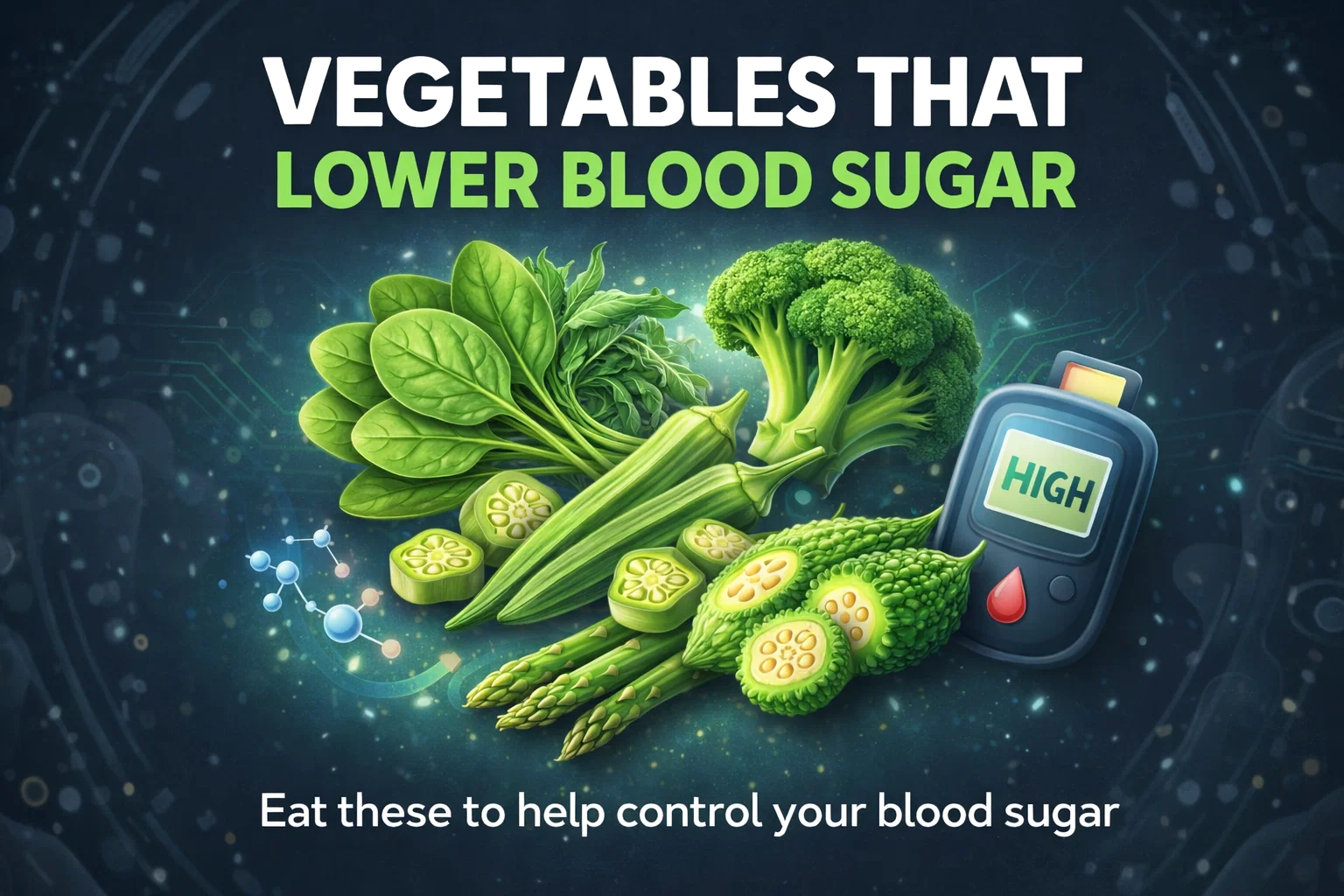
Best Vegetables to Lower Blood Sugar Naturally Nutrition Diet Tips
When it comes to managing your health through diet, it often feels like there is a constant battle between what tastes good and what makes you feel good. If you are looking to support your metabolic health and keep your blood sugar levels steady, nature has provided some incredible tools right in the produce aisle. While the idea of vegetables “eating” sugar from your body might sound like a catchy phrase, the science behind how certain plants influence your metabolism is truly fascinating.
Focusing on a whole-food diet rich in specific, nutrient-dense vegetables can have a profound impact on how your body processes glucose. By understanding the functional benefits of plants like spinach, broccoli, okra, and bitter melon, you can make more informed choices at the grocery store that translate into sustained energy and better long-term wellness.
The Science of Blood Sugar Management
To understand why these specific vegetables are so highly regarded in nutrition circles, we first need to look at how our bodies handle sugar. When we consume carbohydrates, our bodies break them down into glucose, which enters the bloodstream. Insulin is then released to help move that glucose into our cells for energy. When this process is efficient, our blood sugar levels remain stable.
However, many modern diets are heavy on refined sugars and processed foods, which can overwhelm this system. This leads to spikes, crashes, and eventually, reduced insulin sensitivity. This is where functional foods come into play. They don’t just “eat” the sugar; they provide fiber, essential minerals, and bioactive compounds that slow down digestion, improve insulin receptor function, and help the body regulate glucose more effectively.
Top Vegetables for Metabolic Support
1. Spinach: The Nutrient Powerhouse
Spinach is more than just a staple for salads. It is an incredibly dense source of magnesium, an essential mineral that plays a crucial role in glucose metabolism and insulin regulation. Many people are deficient in magnesium without realizing it, and addressing this through diet can be a game-changer for blood sugar control. Furthermore, the high fiber content in spinach helps slow the speed at which food leaves your stomach, preventing those dreaded post-meal spikes.
2. Broccoli: Fighting Inflammation
Chronic, low-grade inflammation is often linked to metabolic issues, including insulin resistance. Broccoli contains a powerful compound called sulforaphane, which has been shown in various studies to help combat oxidative stress and lower inflammation. By reducing the overall inflammatory burden on the body, broccoli supports more efficient metabolic function, allowing your body to manage glucose as it was intended to.
3. Okra: The Blood Sugar Stabilizer
Okra is perhaps one of the most underrated vegetables when it comes to metabolic health. It has long been used in traditional medicine, and modern science is catching up. Okra contains mucilage, a gel-like substance that can slow the absorption of sugar in the intestines. This effect acts as a natural buffer, ensuring that glucose enters the bloodstream at a more gradual, manageable pace rather than all at once.
4. Bitter Melon: The Natural Mimic
As the name suggests, this vegetable is not for everyone’s palate, but its reputation for blood sugar management is well-earned. Bitter melon contains active substances, including charantin and polypeptide-p, which have been observed to exhibit insulin-like effects. These compounds can help facilitate the uptake of glucose into the cells, making it a powerful ally for those looking to maintain healthy blood sugar levels.
5. Asparagus: Enhancing Insulin Sensitivity
Asparagus is a fantastic source of antioxidants and fiber. Some research indicates that asparagus extract may help improve insulin sensitivity and boost the secretion of insulin from the pancreas. By encouraging your body to be more sensitive to insulin, you allow your cells to take up glucose more effectively, which is the cornerstone of a healthy metabolic profile.
How to Incorporate These Into Your Diet
You do not need to overhaul your entire lifestyle overnight to see benefits. The key to lasting change is consistency. Here are a few practical ways to add these powerhouses to your meals:
- Sautéed Greens: Quickly wilt fresh spinach with a little garlic and olive oil for a simple side dish.
- Roasting: Roasting broccoli with lemon juice and a touch of sea salt can completely change its flavor profile, making it much more enjoyable.
- Stir-frys: Slice okra and throw it into a high-heat stir-fry. When cooked quickly, the texture becomes much less “slimy” and quite delicious.
- Steamed Asparagus: Keep it simple by steaming asparagus and topping it with a little toasted almond sliver for crunch.
- Smoothies: If you find the taste of bitter melon or spinach challenging, blending them into a smoothie with berries can mask the bitterness while still providing all the benefits.
The Holistic Approach to Wellness
While the vegetables mentioned above are fantastic, it is important to remember that they are part of a larger picture. Managing blood sugar is not about relying on a “magic” food but rather adopting a balanced, holistic lifestyle. This includes regular movement, quality sleep, and managing stress levels, all of which heavily influence how your body handles fuel.
Think of these vegetables as supporting actors in the grand play of your health. They are incredibly effective at what they do, but they work best when the rest of the production is running smoothly. When you pair these nutrient-dense vegetables with consistent hydration, adequate protein intake, and daily movement, you create an environment where your body can truly thrive.
Shutterstock
Explore
Final Thoughts
Taking control of your metabolic health is one of the most empowering decisions you can make. By choosing to include foods like spinach, broccoli, okra, bitter melon, and asparagus in your daily rotation, you are providing your body with the building blocks it needs to function at its best. Focus on adding more of these whole foods to your plate, pay attention to how your body feels after your meals, and enjoy the process of nourishing yourself.
Remember, the goal is progress, not perfection. Start by picking one or two items from this list to add to your grocery list this week. Your future self will thank you for the extra attention you are putting into your long-term vitality today.