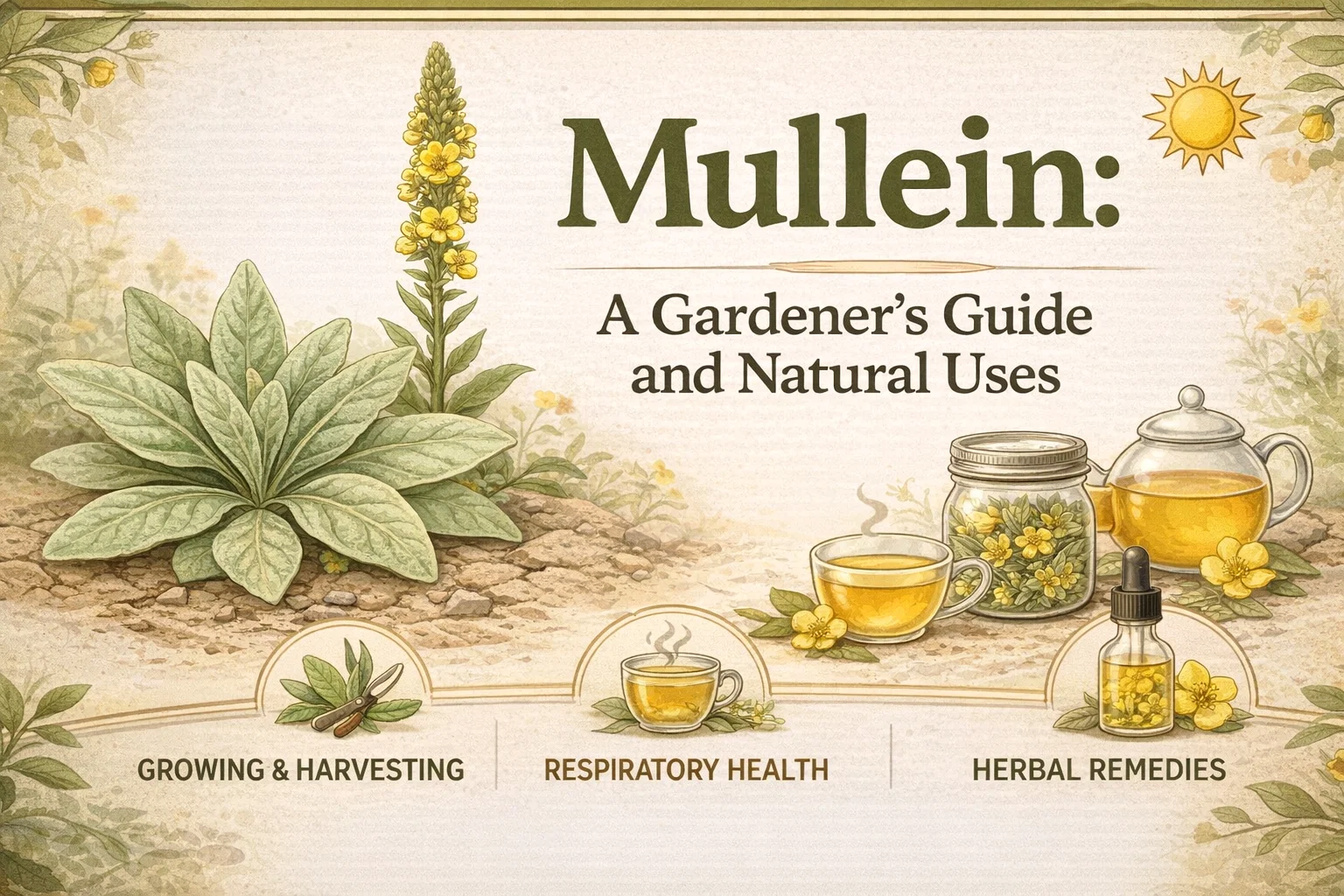
Mullein Herb Guide How to Grow, Harvest Use Mullein for Respiratory Support Ear Oil
Imagine walking through a sun-drenched meadow or a quiet corner of your backyard and spotting a tall, majestic stalk topped with brilliant yellow flowers. This is Mullein, a plant that has been cherished by herbalists and gardeners for centuries. Often dismissed as a common weed by the uninformed, Mullein is actually a powerhouse of therapeutic benefits and a resilient addition to any sustainable garden. Whether you are interested in natural wellness or simply want a low-maintenance plant that supports local pollinators, understanding the lifecycle and uses of Mullein is a rewarding journey into the world of traditional botany.
The Fascinating Lifecycle of the Mullein Plant
One of the most unique aspects of Mullein is its biennial nature. This means the plant operates on a two-year internal clock, transforming significantly from one season to the next. For the home gardener, recognizing these stages is essential for both aesthetic planning and harvesting the right parts at the right time.
Year One: The Velvet Rosette
During its first year of growth, Mullein stays low to the ground. It forms a beautiful, circular pattern of leaves known as a rosette. These leaves are famous for their texture; they are thick, fuzzy, and feel remarkably like soft velvet or flannel. This silver-green foliage is not just for show. The tiny hairs on the leaves help the plant retain moisture and deter hungry insects. In this stage, the plant is busy establishing a deep, sturdy taproot that will fuel its dramatic growth in the following year.
Year Two: The Flowering Spikes
Once the second year arrives, the transformation is breathtaking. From the center of the velvet rosette, a sturdy flower stalk begins to shoot upward. Depending on the soil quality and sunlight, these stalks can reach heights of anywhere from two to six feet. Small, bright yellow flowers begin to bloom along the spike, opening a few at a time. This vertical growth adds a striking architectural element to any garden bed and serves as a beacon for bees and other beneficial pollinators.
How to Grow Mullein in Your Own Garden
Mullein is the ultimate “set it and forget it” plant for the busy gardener. It has evolved to thrive in conditions where many other plants would struggle, making it perfect for those tricky spots in your landscape where nothing else seems to grow.
Light and Soil Requirements
To see your Mullein reach its full potential, give it plenty of sunshine. It craves full sun exposure for at least six to eight hours a day. When it comes to soil, Mullein is surprisingly unpicky. In fact, it actually prefers poor, dry, and well-drained soil. If your soil is too rich or heavily fertilized, the plant might become “leggy” or less resilient. It is a fantastic choice for rock gardens, dry slopes, or the edges of a wild-style garden bed where the soil hasn’t been heavily amended.
Low-Maintenance Care Tips
- Avoid Overwatering: Once established, Mullein is incredibly drought-tolerant. Only water during extreme dry spells.
- Minimal Fertilizer: Skip the chemical fertilizers. Mullein thrives on neglect and finds the nutrients it needs in native soils.
- Space to Grow: Because the second-year stalks can be tall and the first-year rosettes wide, give each plant about eighteen inches of space.
The Art of Harvesting Mullein Safely
If you intend to use Mullein for its traditional herbal properties, harvesting is a mindful process that requires attention to timing and environment. Because Mullein acts like a sponge for its surroundings, the “where” is just as important as the “how.”
Choosing the Right Location
Never harvest Mullein from the side of a busy road or near industrial sites. The plant can absorb heavy metals and pollutants from vehicle exhaust or chemical runoff. Always look for clean, unsprayed areas. If you are growing it in your own garden, ensure you aren’t using synthetic pesticides nearby. If you are foraging in the wild, move at least fifty to one hundred feet away from any high-traffic paths or pet-walking areas to ensure the leaves and flowers are as pure as possible.
Timing Your Harvest
For the best results, harvest on dry, sunny days after the morning dew has evaporated. This prevents mold growth during the drying process. In the first year, you can harvest the large, fuzzy leaves from the rosette. In the second year, focus your attention on the delicate yellow blossoms. Gently pluck the flowers as they open along the stalk. Since they bloom incrementally, you can return to the same plant every few days to gather a fresh batch.
Traditional Internal Uses: Mullein Tea and Respiratory Support
Mullein has earned a permanent spot in the “herbalist’s hall of fame” primarily for its affinity for the respiratory system. It has been used for generations to provide gentle support during times of congestion or seasonal discomfort.
Brewing a Soothing Cup of Tea
Both the dried leaves and the flowers can be used to make a warm, earthy herbal tea. Many people find the flavor to be mild and slightly sweet, similar to a very light green tea. It is often used to support clear breathing, soothe a dry cough, and encourage relaxation. Because Mullein is a demulcent, it helps to coat and soothe irritated mucous membranes in the throat and lungs.
The Importance of Straining
A critical tip for Mullein tea: Those soft, velvet hairs that make the leaves so beautiful can be quite irritating if you swallow them. When brewing your tea, always use a very fine mesh strainer, a coffee filter, or several layers of cheesecloth. This ensures that the beneficial compounds make it into your cup while the tiny hairs are left behind. If you have underlying health conditions or are taking prescription medications, it is always wise to consult with a healthcare professional before adding new herbal teas to your routine.
Topical Applications: Ear Oils and First-Aid
Beyond the teapot, Mullein offers incredible benefits when applied externally. Its soothing properties make it a staple ingredient in natural first-aid kits and topical balms.
Infused Mullein Flower Oil
One of the most popular uses for Mullein flowers is the creation of an infused oil. By steeping the fresh or slightly wilted flowers in a high-quality carrier oil like olive oil, you create a potent botanical extract. Historically, this infused oil has been used as a warm ear drop to help soothe earaches. However, a vital safety rule applies here: never put oil or anything else into an ear if you suspect the eardrum is damaged or perforated. When in doubt, always have a doctor check the ear first.
Support for Skin and Joints
Mullein oil or poultices made from the leaves are also used for minor skin irritations. Because of its traditional use in managing inflammation, it is often applied to joints or areas of localized discomfort. Whether it is a minor cut, a scrape, or general skin redness, Mullein provides a cooling and calming effect that supports the body’s natural healing process.
Why Every Natural Garden Needs Mullein
Even if you never plan to brew a single cup of tea, Mullein is a “natural garden ally” that brings immense value to your local ecosystem. It is a plant that gives back to the earth and the creatures that inhabit it.
A Haven for Wildlife
The tall flower spikes are a favorite stop for bees, butterflies, and other essential pollinators. In the winter, the dried stalks can provide structure and habitat for small insects. By leaving a few Mullein plants to go to seed in your garden, you are contributing to the biodiversity of your neighborhood. The seeds also provide a food source for small birds during the colder months.
Aesthetic Beauty
There is an undeniable charm to the Mullein plant. The contrast between the soft, silvery-green rosettes and the vibrant, towering yellow spikes creates a visual focal point that works well in cottage gardens, prairie-style landscapes, and xeriscapes. It adds height and texture that few other easy-to-grow plants can match.
Conclusion: Embracing the Wisdom of Mullein
Mullein is far more than just a common plant; it is a bridge between the world of gardening and the world of natural wellness. By understanding its two-year lifecycle, its preference for sunny, dry locations, and its myriad of traditional uses, you can transform your garden into a place of both beauty and utility. From the soothing warmth of a carefully strained tea to the gentle relief of a flower-infused oil, Mullein reminds us of the incredible resources found right beneath our feet. As you plan your next garden season, consider leaving a spot for this fuzzy, golden giant. It is a resilient, generous, and beautiful companion that truly earns its place in the home gardener’s guide to natural living.