10 Common Nail Warning Signs Vitamin Deficiencies and Health Indicators You Should Know
Our bodies are incredibly sophisticated communicators, often sending us subtle signals long before a major health issue arises. While we often focus on skin health or energy levels, our fingernails are one of the most underrated diagnostic tools at our disposal. From the texture of the nail bed to the specific color of a half-moon, your hands are constantly whispering secrets about your internal nutrient levels, organ function, and systemic wellness. If you have ever looked down and wondered why a white spot appeared or why your nails suddenly seem brittle, you are looking at a biological roadmap that deserves your attention.
The Science of Nail Analysis: Why Your Nails Matter
To understand why nails are such potent health indicators, we have to look at how they grow. Nails are composed of a tough protective protein called keratin. Because the nail matrix—the area where your nail begins to grow—is constantly producing new cells, it requires a steady stream of blood, oxygen, and nutrients. When your body is facing a deficiency or fighting an underlying illness, it prioritizes vital organs like the heart and lungs, often diverting resources away from “non-essential” structures like nails. This results in the visual changes, ridges, and discolorations that we see on the surface.
The Anatomy of a Healthy Nail
Before diving into the warning signs, it is helpful to know what a baseline for health looks like. A healthy nail should be smooth, without pits or grooves. The color should be consistent, typically a light pinkish hue, with a prominent white semi-circle at the base known as the lunula. While everyone’s nails grow at different rates and have unique shapes, sudden changes in the “norm” are what should trigger a closer look at your daily habits and nutrition.
Decoding Common Visual Warnings
Many people dismiss nail changes as simple cosmetic inconveniences. However, these visual markers are frequently the first signs of specific vitamin deficiencies. By learning to read these signs, you can make informed adjustments to your diet or consult with a healthcare professional before a small deficiency becomes a larger problem.
White Spots and Zinc Deficiency
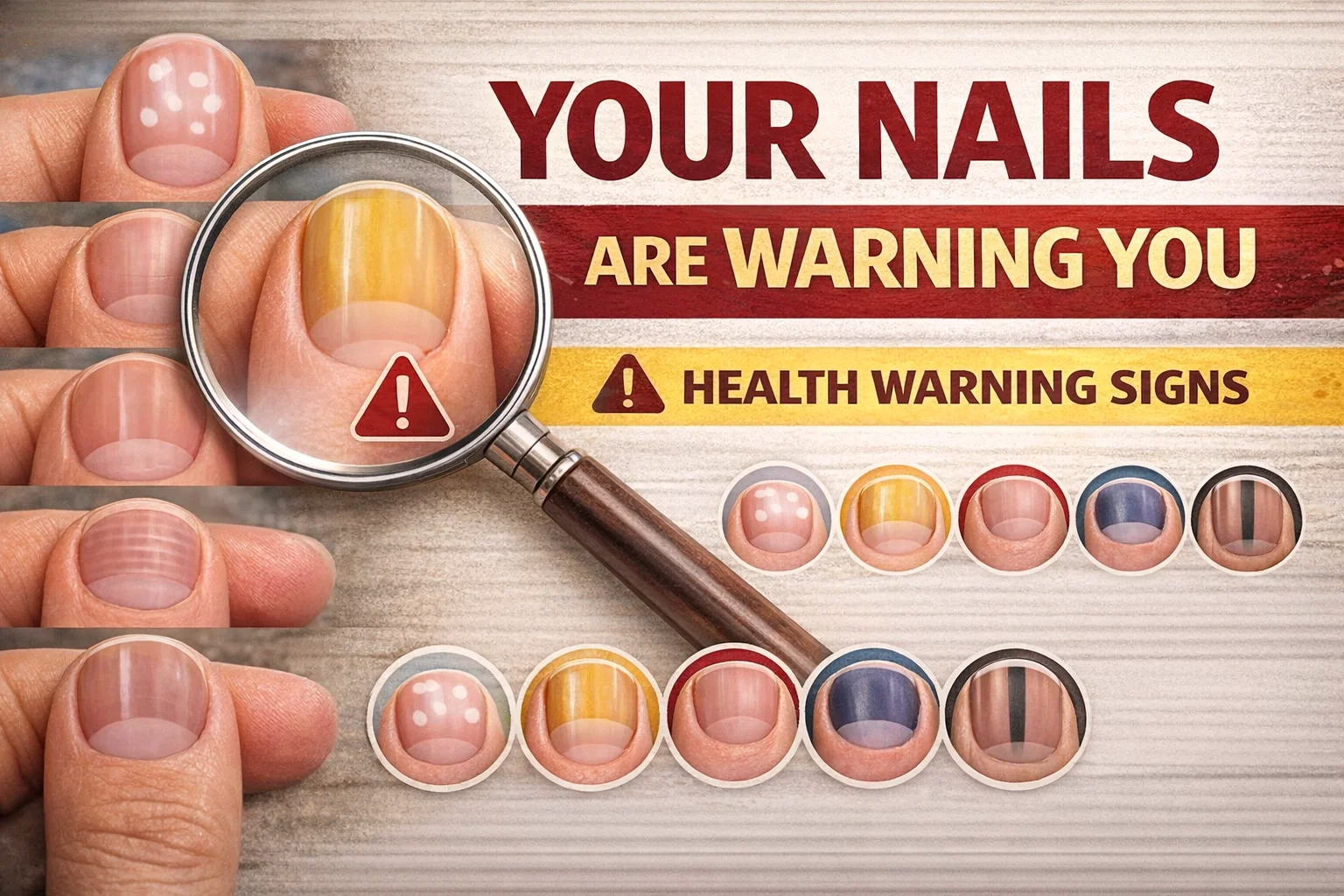
One of the most frequent questions people ask is about small white clouds or spots on the nail plate, a condition technically known as punctate leukonychia. While many grew up believing these were signs of a calcium deficiency, they are much more frequently linked to a lack of zinc. Zinc is a trace mineral essential for cell division and protein synthesis. When zinc levels are low, the nail matrix may produce “incomplete” cells that manifest as white spots as the nail grows out. Beyond nails, zinc deficiency can also lead to a weakened immune system and slower wound healing.
Vertical Ridges and Vitamin B12
As we age, slight vertical ridges can be a normal part of the aging process, much like wrinkles on the skin. However, if these ridges become deep or appear suddenly in younger individuals, it often points toward a Vitamin B12 deficiency or an issue with nutrient absorption. B12 is vital for red blood cell production; without it, the nail matrix does not receive the oxygenated blood it needs to produce a smooth, even surface. If you notice these ridges accompanied by fatigue or brain fog, it is a strong signal to check your B-vitamin levels.
Horizontal Lines and Systemic Stress
Unlike vertical ridges, horizontal indentations—often called Beau’s lines—are generally considered more significant. These lines indicate that the nail growth was temporarily interrupted by a systemic shock to the body. This could be a high fever, a severe infection, or even intense periods of malnutrition. Think of these lines as a “growth ring” in a tree that marks a difficult season. If you see multiple horizontal lines across all your nails, it is your body’s way of saying it has been under significant physiological stress.
Structural Changes: Shape and Strength
Sometimes the warning is not in the color or a spot, but in the actual architecture of the nail itself. Changes in the shape of the nail bed can signal chronic conditions that require long-term management.
Spoon-Shaped Nails and Iron Deficiency Anemia
Koilonychia, or spoon-shaped nails, is a condition where the nails become thin and concave, even holding a drop of water in the center. This is a classic hallmark of iron deficiency anemia. When the body lacks iron, the blood cannot carry enough oxygen to the extremities, causing the nail plate to soften and eventually curve inward. This change is often gradual, but it is a definitive sign that the body’s iron stores are dangerously low, often requiring dietary changes or supplementation.
Clubbing and Respiratory Health
Nail clubbing occurs when the tips of the fingers enlarge and the nails curve steeply over the edges, often feeling somewhat “sponge-like” when pressed. This is a serious indicator that often points toward low oxygen levels in the blood over a long period. Historically, clubbing has been associated with lung diseases, chronic heart conditions, or inflammatory bowel disease. Because this change is related to the vascular system, it is one of the most important nail signs to discuss with a doctor immediately.
Color Shifts: What Different Hues Indicate
The color of your nail bed is a direct reflection of the tissue and blood flow beneath the keratin. Variations in this color can range from harmless stains to serious warnings.
Yellow Nails and Fungal Infections
Yellowing of the nails is most commonly associated with a fungal infection. As the infection progresses, the nail bed may retract, and the nails can thicken and crumble. However, in rarer cases, persistently yellow nails that do not respond to antifungal treatments can be a sign of “Yellow Nail Syndrome,” which is linked to chronic bronchitis or lymphatic issues. Additionally, heavy smokers or frequent users of dark nail polish without a base coat may experience staining, though this is purely external.
Blue or Purple Hues
If your nails have a blue or purple tint, it is often a sign of cyanosis. This happens when there is not enough oxygen in your red blood cells. It could be a temporary reaction to cold temperatures, but if the color persists when you are warm, it may indicate a problem with your heart’s ability to pump blood or your lungs’ ability to oxygenate it. This “blue” signal is the body’s way of sounding an alarm for the cardiovascular system.
The Danger of the Black Line
Perhaps the most critical visual to watch for is a dark, vertical streak running down the nail, especially if it appears on only one finger. While this can sometimes be a simple bruise (subungual hematoma), it can also be a sign of subungual melanoma, a dangerous form of skin cancer that occurs under the nail. If the line is new, changing in shape, or has blurred borders, it requires professional evaluation. Early detection in this area is absolutely life-saving.
Supporting Your Health Through Nutrition
Since many of these signs are rooted in nutrition, the best way to maintain healthy nails is to nourish your body from within. A diet rich in variety ensures that your nail matrix has all the building blocks it needs for strong, resilient growth.
- Incorporate Biotin: Found in eggs, nuts, and whole grains, this B-vitamin is legendary for strengthening the keratin infrastructure.
- Prioritize Magnesium: Magnesium is essential for protein synthesis. Dark leafy greens, pumpkin seeds, and almonds are excellent sources to prevent vertical ridges.
- Focus on Healthy Fats: Omega-3 fatty acids found in flaxseeds and walnuts help lubricate the nail, giving it a healthy shine and preventing brittleness.
- Hydration is Key: Just like your skin, your nails can become dehydrated, leading to peeling and breakage. Drinking enough water is the simplest “beauty hack” for your hands.
A Holistic View of Wellness
It is important to remember that while your nails provide excellent clues, they are just one piece of the puzzle. A single white spot does not always mean a health crisis, and vertical ridges do not always mean you are unwell. However, when these signs are combined with other symptoms like fatigue, hair loss, or changes in digestion, they provide a clearer picture of your internal state. Taking a holistic approach means listening to these small signals and responding with kindness to your body, whether that means improving your sleep, adjusting your mineral intake, or seeking a professional opinion.
Conclusion: Empowerment Through Awareness
Your nails are far more than a canvas for polish; they are a dynamic, living record of your health journey. By paying attention to the subtle shifts in color, texture, and shape, you gain a unique advantage in managing your own wellness. Whether it is addressing a simple zinc deficiency or catching a more serious respiratory issue early, your hands are working hard to keep you informed. Next time you sit down for a manicure or simply wash your hands, take a moment to look closely. Your body is talking to you; all you have to do is learn the language. Stay curious, stay proactive, and remember that true beauty always starts with a foundation of health.
Would you like me to generate a specific list of nutrient-dense recipes to help address some of these common nail health warnings?